The Latest | Page 7

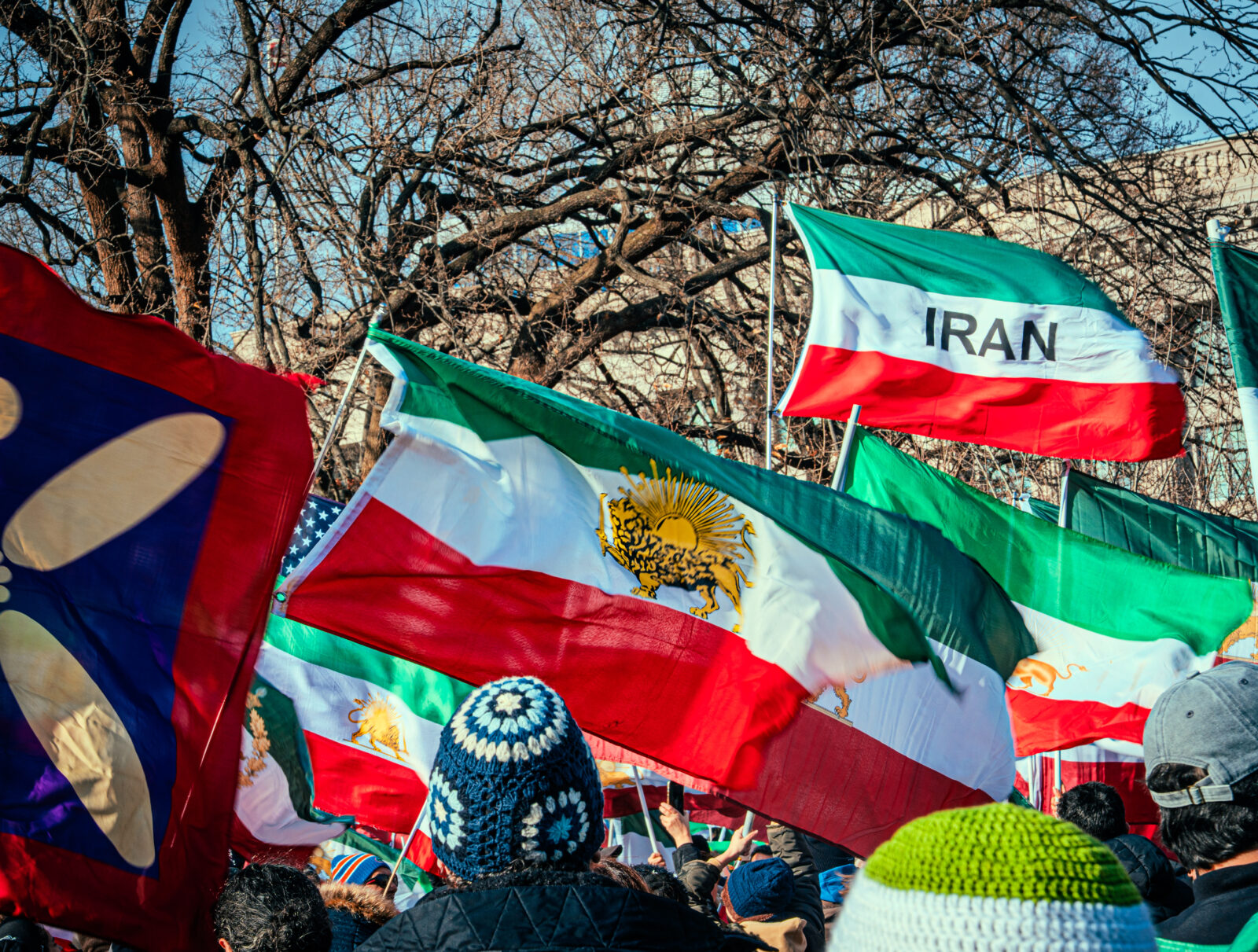
20260111FreeIranDemonstrationWashingtonDCUSA01156
Image by Ted Eytan at Wikimedia Commons: https://commons.wikimedia.org/wiki/File:2026.01.11_Free_Iran_Demonstration,_Washington,_DC_USA_01156_07428_(55036215113).jpg

How to Save Iran 1-2-3

Iran has been experiencing quite a bit of disorder recently. The reasons for this are "complicated" — Iran has many foreign enemies, and the situation smells like an attempted "color revolution" — but the government of Iran has also been making quite a mess of things all by itself, recently and for a long time now. It's no surprise that even the most patriotic Iranians might be very dissatisfied today. Read More ›
dirty-teddy-bear-toy-lies-outdoors-on-the-road-as-symbol-of-532117840-stockpack-adobestock
Dirty teddy bear toy lies outdoors on the road as symbol of children's loneliness, pain, loss childhood and future. Copy space for text or design.
Image Credit: zwiebackesser - Adobe Stock

Homeless Family’s Outrageous Situation Suggests Unique Remedy

A shocking story published Dec. 19 by Charlie Harger of KIRO News Radio tells of a 9-year-old boy living in a tent in one of Seattle’s public parks. He lives there with his parents, when they’re around. His mother is a fentanyl addict and prostitute who makes the boy wait outside in the bushes while she services clients in the tent. His father reportedly has a long criminal history. Read More ›
How-Your-Smartphone-Points-to-God
Video thumbnail from YouTube.

How Your Smartphone Points to God

Does your smartphone point to... God?!!! A short animated video inspired by the graphic novel The God Proofs: How Science Points to YOUR Creator by Doug Ell for young teens and above Read More ›
olasky-stacks-fade-to-black

Olasky Books: Benefits of Being an Outsider

Jenny Taylor’s Saving Journalism (Pippa Rann Books, UK, 2025) ably chronicles the rise and fall of public interest reporting, and what we have lost as the powerful can now operate with fewer restraints. She notes how western culture’s journalistic innovators until about 1900 were “typically outsiders, religious dissenters who lived by a specific narrative: a narrative of reality and of Read More ›