What’s Darwin Got to Do with It?: A Friendly Discussion About Evolution
What’s Darwin got to do with it? When it comes to evolution, quite a bit! But many people don’t understand Darwin, creationism and intelligent design. Here’s a book that makes sense of it all! A group of scholars, teachers, writers and illustrators have teamed up to create an easy-to-read introduction and critique to this important issue. You’ll enjoy the lively Read More ›

Intelligent Design in Public School Science Curricula
A Legal Guidebook presenting the U.S. law and case histories that support the teaching of intelligent design in public school science curriculum. Teachers, administrators, and school board attorneys will benefit from the support given to teachers to use important supplemental information in the teaching of origins as is presented in Of Pandas and People. Including discussions of design in the Read More ›
Nature’s Destiny
While others search the skies for extraterrestrial life, Michael Denton has examined the recent discoveries in all the sciences to ask — Could life elsewhere be substantially different from life on Earth? Drawing on a staggering knowledge of physics, biochemistry, geology, and evolution, Denton builds a step-by-step argument for human inevitability. Life requires water, DNA, and protein; it can only Read More ›
Darwin’s Black Box
In Darwin’s Black Box, Michael Behe argues that evidence of evolution’s limits has been right under our noses, but its undoing is evident at such a small scale that we have only recently been able to see it. The field of biochemistry, begun when Watson and Crick discovered the double-helical shape of DNA, has unlocked the secrets of the cell. There, biochemists have unexpectedly discovered a world of Lilliputian complexity. As Behe engagingly demonstrates, using the examples of vision, bloodclotting, cellular transport, and more, the biochemical world comprises an arsenal of chemical machines, made up of finely calibrated, interdependent parts. For Darwinian evolution to be true, there must have been a series of mutations, each of which produced its own working machine, that led to the complexity we can now see. The more complex and interdependent each machine’s parts are shown to be, the harder it is to defend Darwin’s gradualistic paths. Behe surveys the professional science literature and shows that it is completely silent on the subject, stymied by the elegance of the foundation of life. Could it be that there is some greater force at work?
Read More ›The Harmony of Natural Law
In her Dec. 15 letter responding to my December 6th editorial-page piece “A Scopes Trial for the ’90s” Eugenie Scott claims that Prof. Kenyon and I misunderstand the nature of science. What she means, of course, is that we understand it — and its current arbitrary prohibitions — all too well. The Kenyon case underscores a fact that Dr. Scott Read More ›
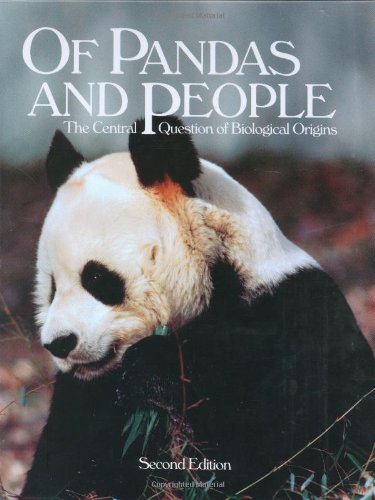
Of Pandas and People: The Central Question of Biological Origins
Of Pandas and People gives evidence for intelligent design from origin-of-life studies, biochemistry, genetics, homology, and paleontology. In a unique manner, Of Pandas and People gives the pros and cons of both the biological-evolution theory and the intelligent-design concept. Pandas promotes a widely recognized goal of science education by fostering a questioning, skeptical and scrutinizing mindset. This supplemental biology textbook Read More ›
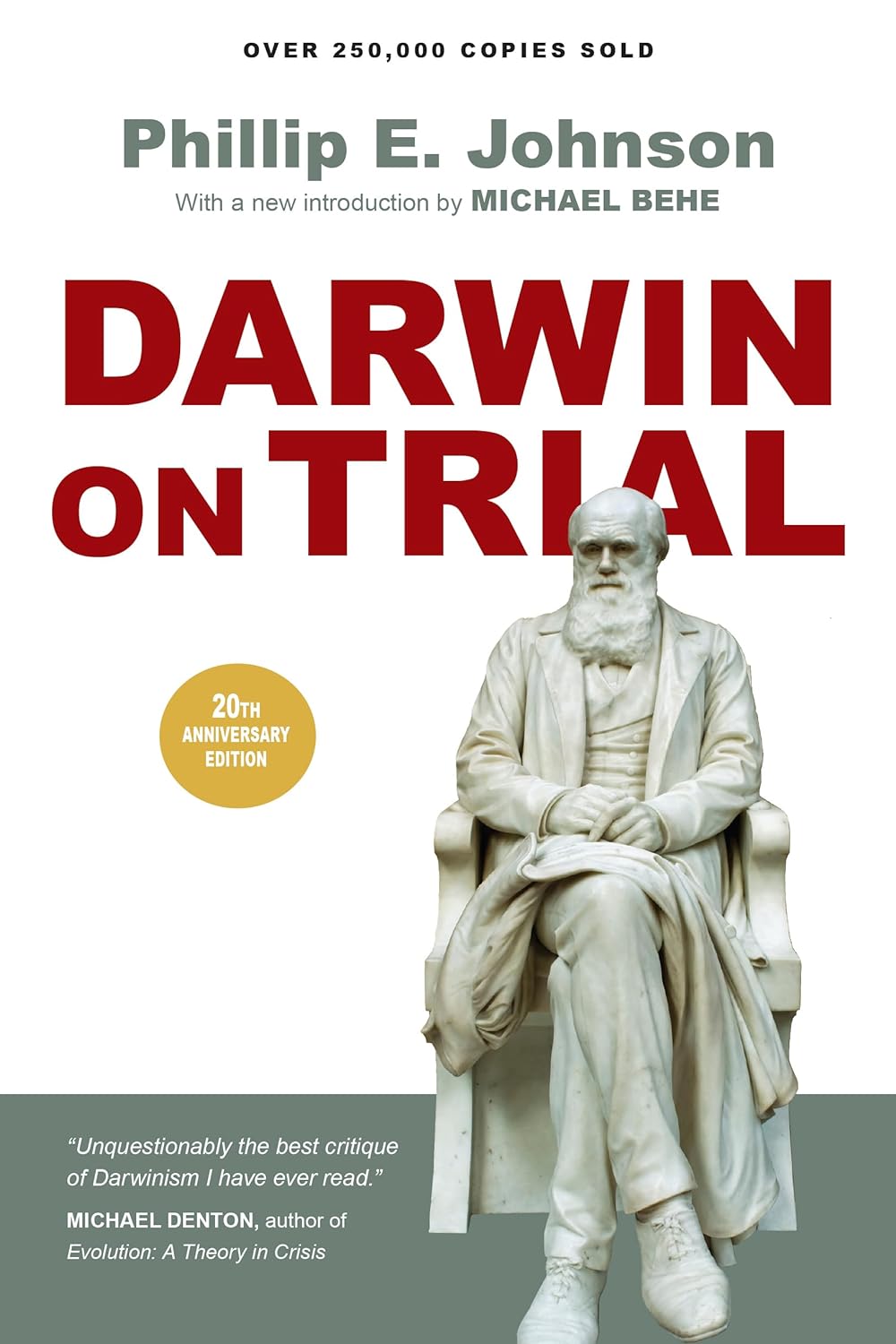
Darwin On Trial
Darwin on Trial was responsible for alerting many among the public and in the scientific community to the deficiencies of Darwinism. UC Berkeley Law Professor and Program Advisor for Discovery Institute’s Center for Science and Culture, Phillip E. Johnson applies his skills as an analyzer of evidence to ask if Darwin’s theory holds up to scrutiny. Johnson begins by recognizing Read More ›
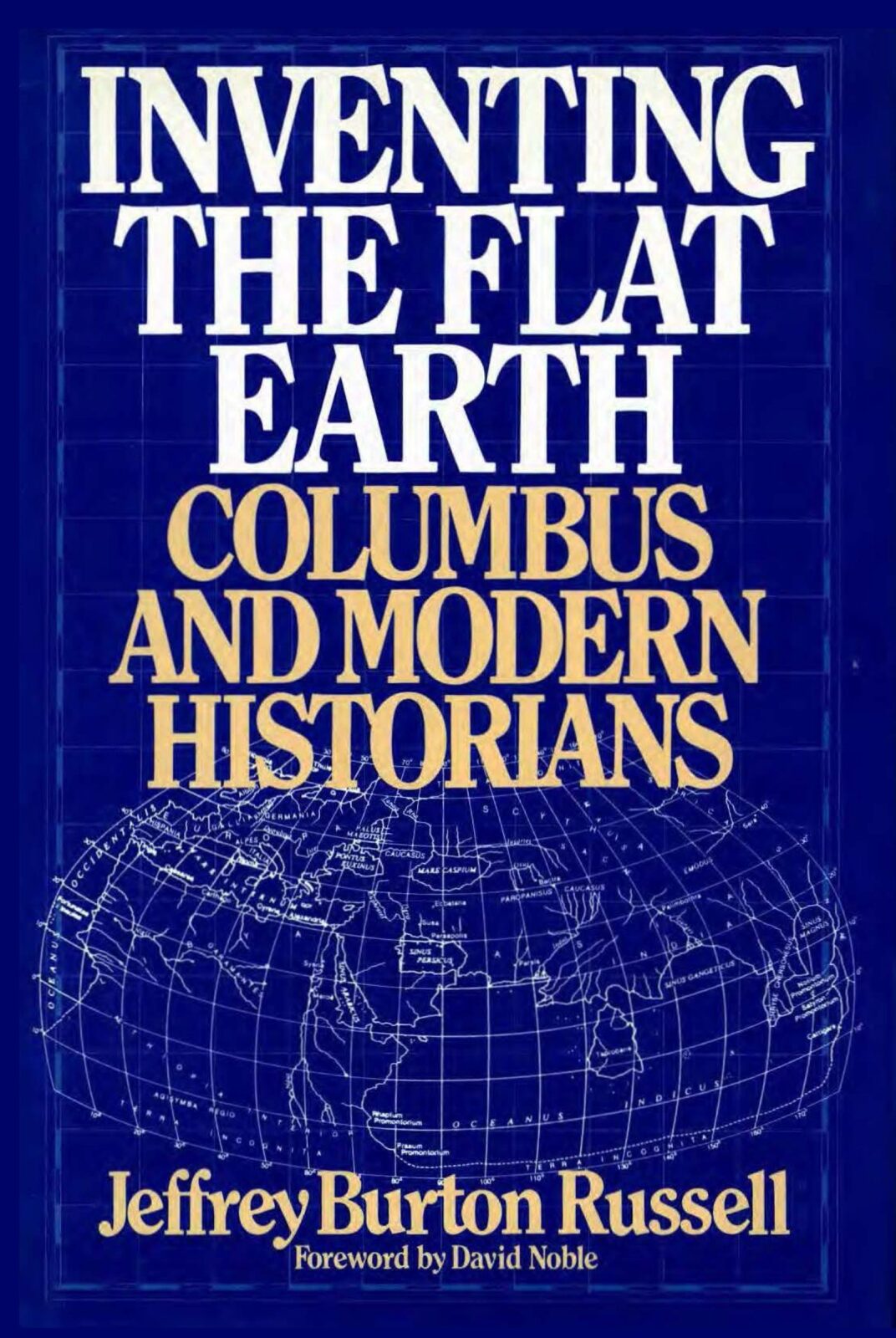
Inventing the Flat Earth
Neither Christopher Columbus nor his contemporaries thought the earth was flat. Yet this curious illusion persists today, firmly established with the help of the media, textbooks, teachers ― even noted historians. Inventing the Flat Earthis Russell’s attempt to set the record straight. He begins with a discussion of geographical knowledge in the Middle Ages, examining what Columbus and his contemporaries actually Read More ›
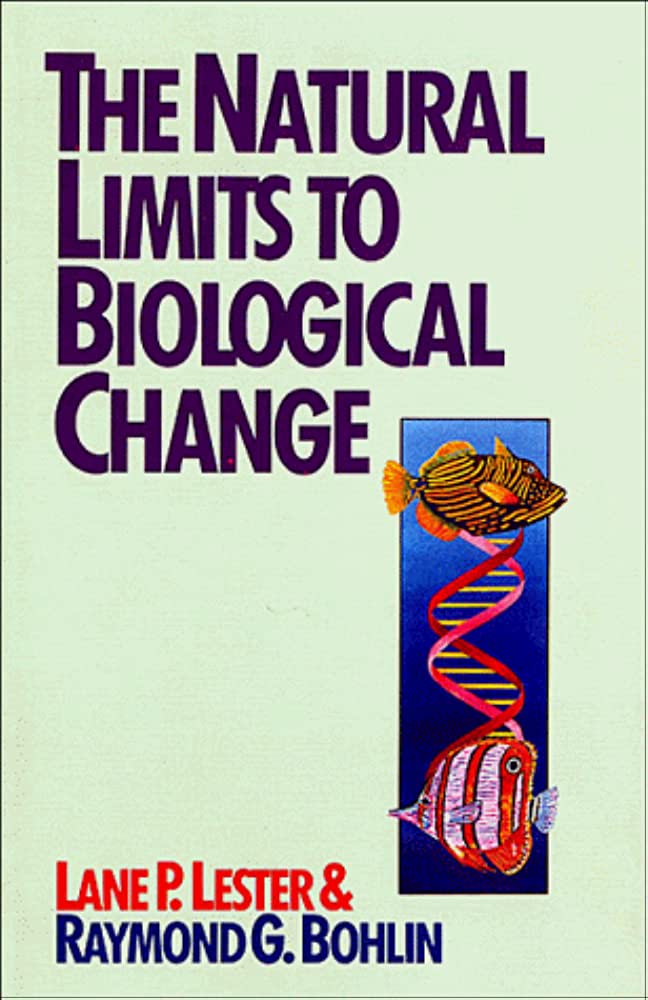
The Natural Limits to Biological Change
This study is a careful and refreshing evaluation of the long-held views of Darwinism and Neo-Darwinism and the views of those who consider “punctuated equilibrium” to be the best explanation of the existing world of living beings. Darwinists and Neo-Darwinists hold that organisms are able to respond to only minor fluctuations in their environment. This view has come under increasing Read More ›
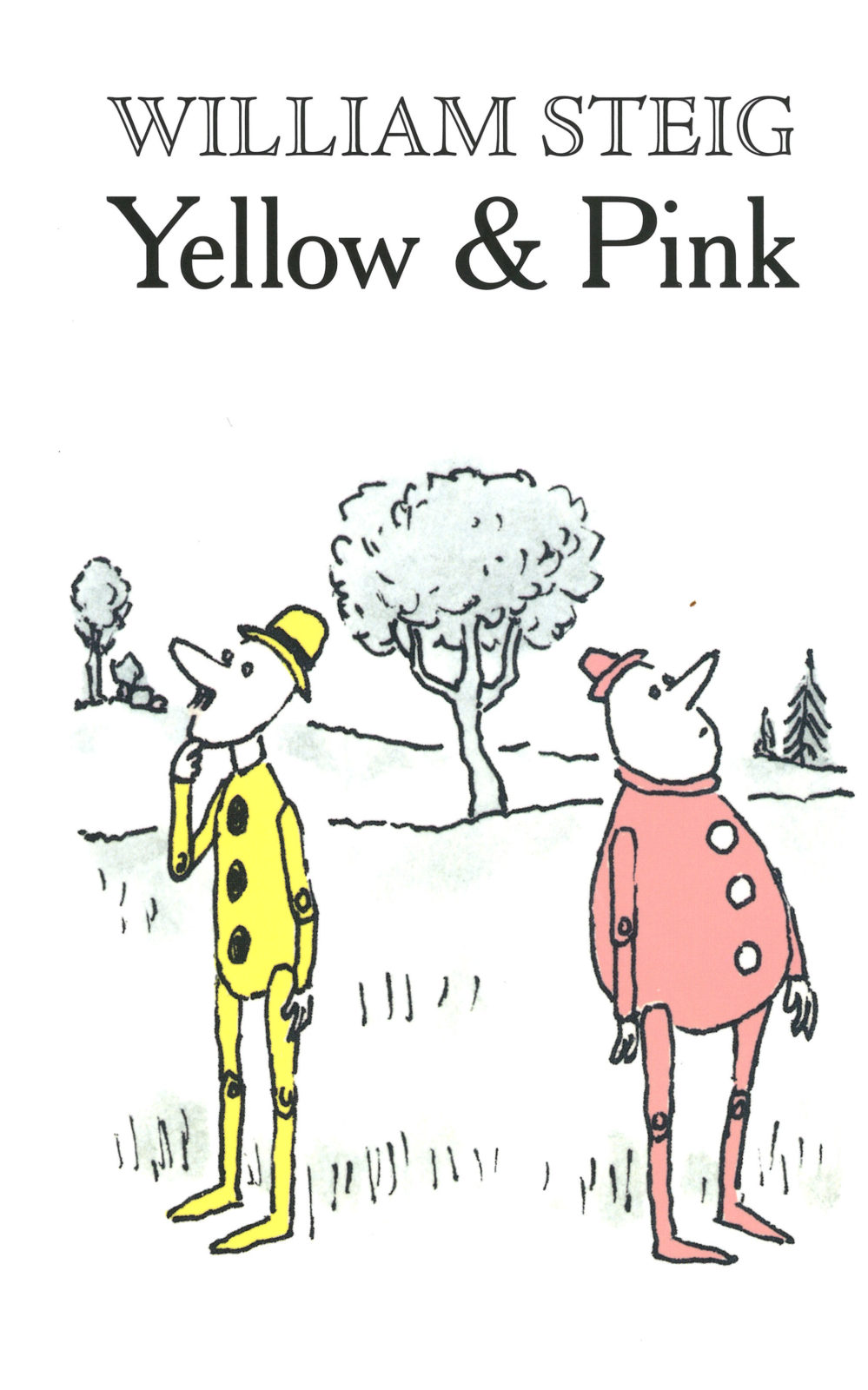
Yellow & Pink
On a fine day, a thin yellow puppet and a round, pink puppet sit in the sun. They wonder where they came from. Were they an accident of nature, brought about by a series of possible but improbable events? Did someone create them? They discuss their theories, and think they may have an answer. But just as they settle on Read More ›