
One on One: Faith in Hierarchy
This article, published by the Jerusalem Post, includes an interview with Discovery Institute Senior Fellow George Gilder: George Gilder has been famous in the United States for more than three decades. Well, infamous would be a more accurate adjective – considering the political-cultural climate in which he emerged and to which he has devoted his life’s research and writings. The Read More ›
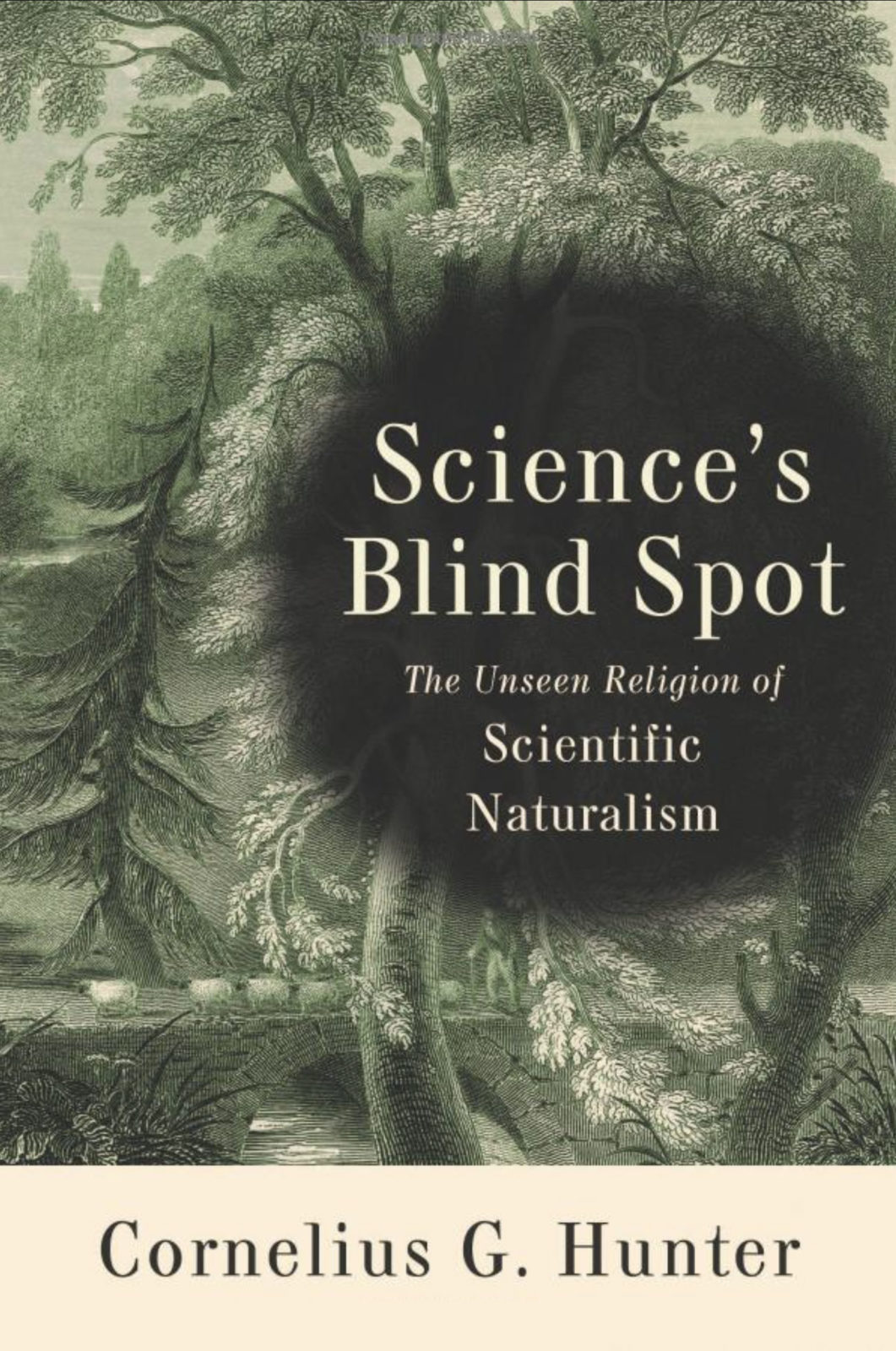
Science’s Blind Spot
Had evolutionists been in charge, they wouldn’t have made the mosquito, planetary orbits would align perfectly, and the human eye would be better designed. But they tend to gloss over their own failed predictions and faulty premises. Naturalists see Darwin’s theories as “logical” and that’s enough. To think otherwise brands you a heretic to all things wise and rational. Science’s Read More ›
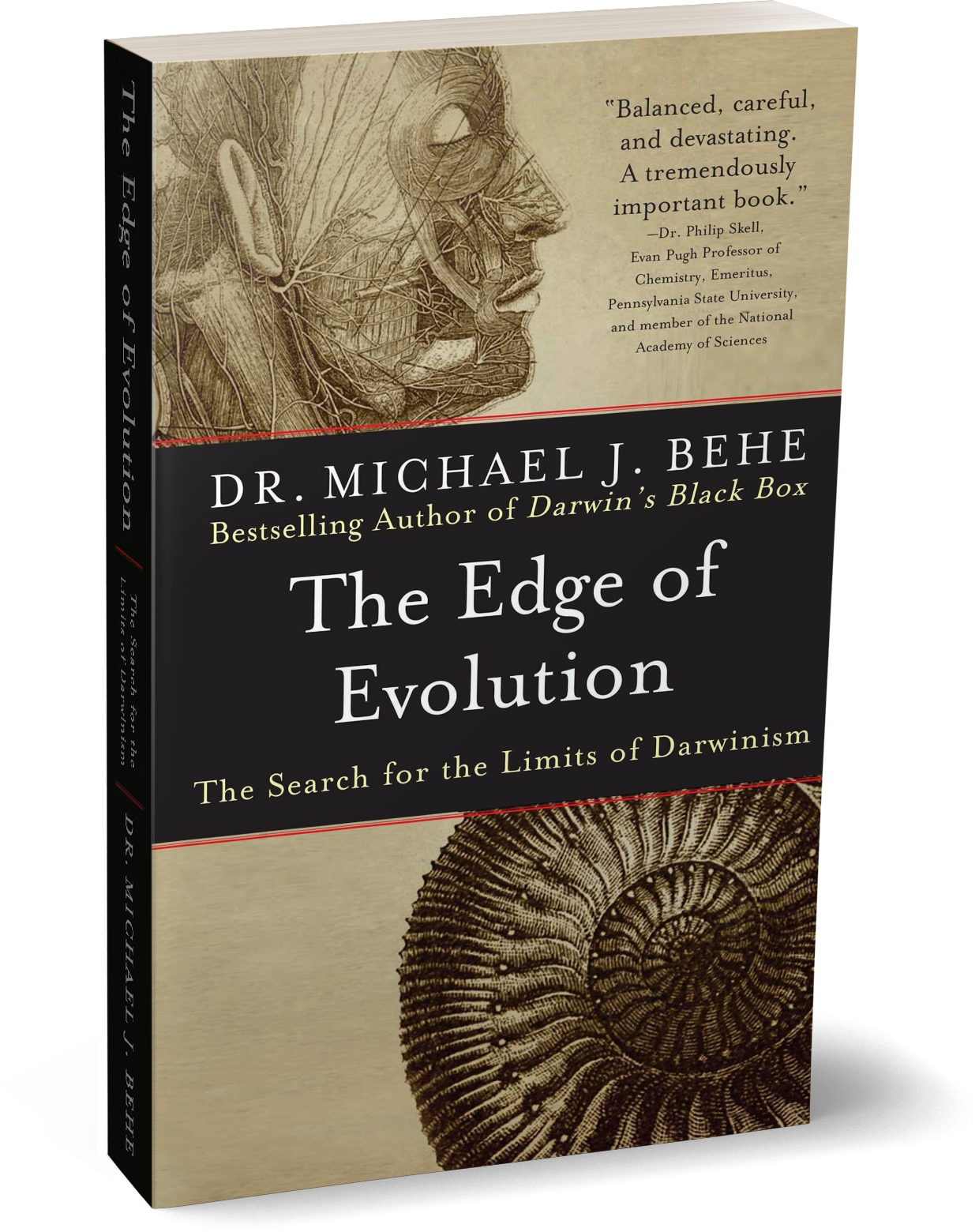
The Edge of Evolution
When Michael J. Behe’s first book, Darwin’s Black Box, was published in 1996, it launched the intelligent design movement. Critics howled, yet hundreds of thousands of readers and a growing number of scientists were intrigued by Behe’s claim that Darwinism could not explain the complex machinery of the cell. Now, in his long-awaited follow-up, Behe presents far more than a challenge Read More ›
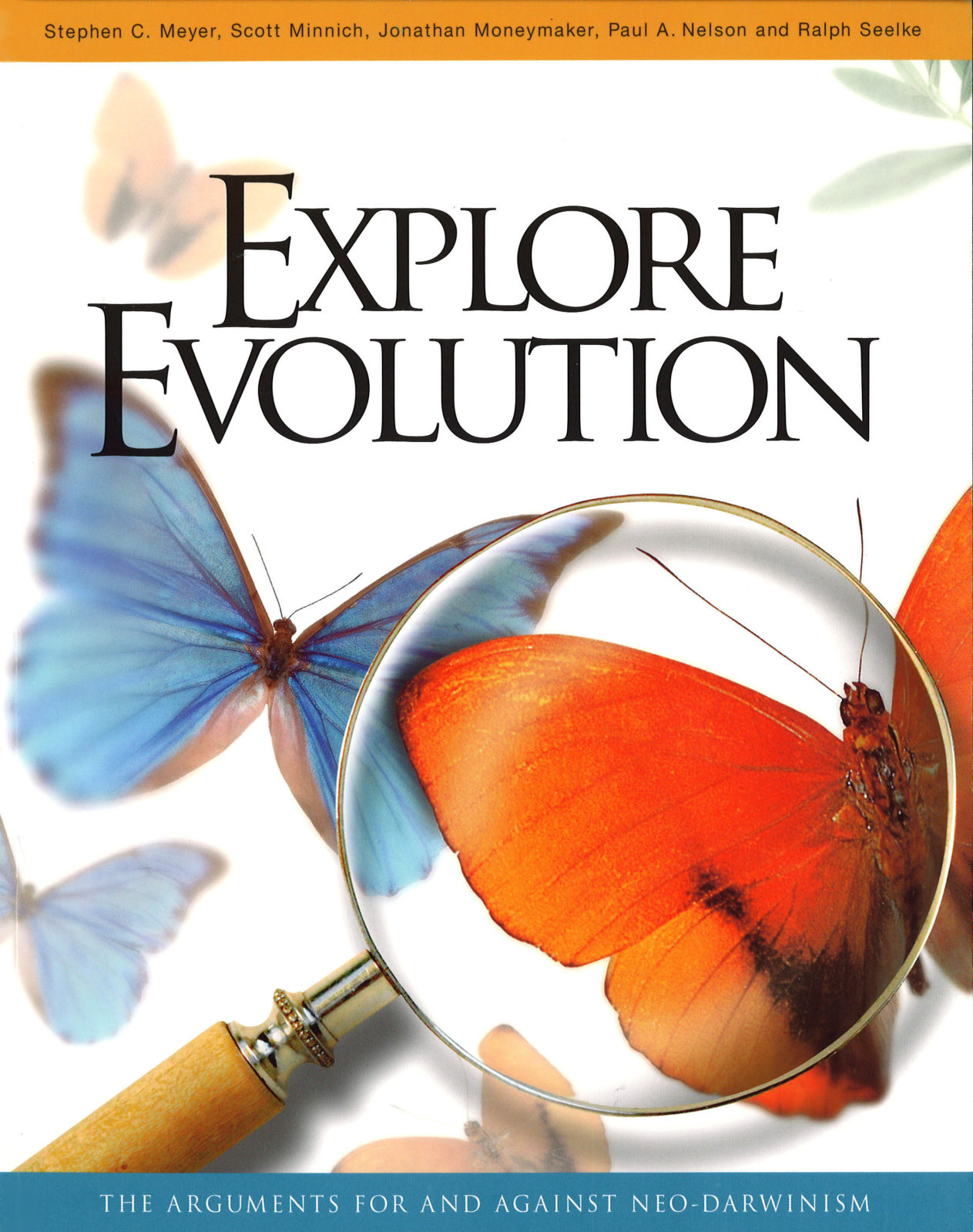
Explore Evolution
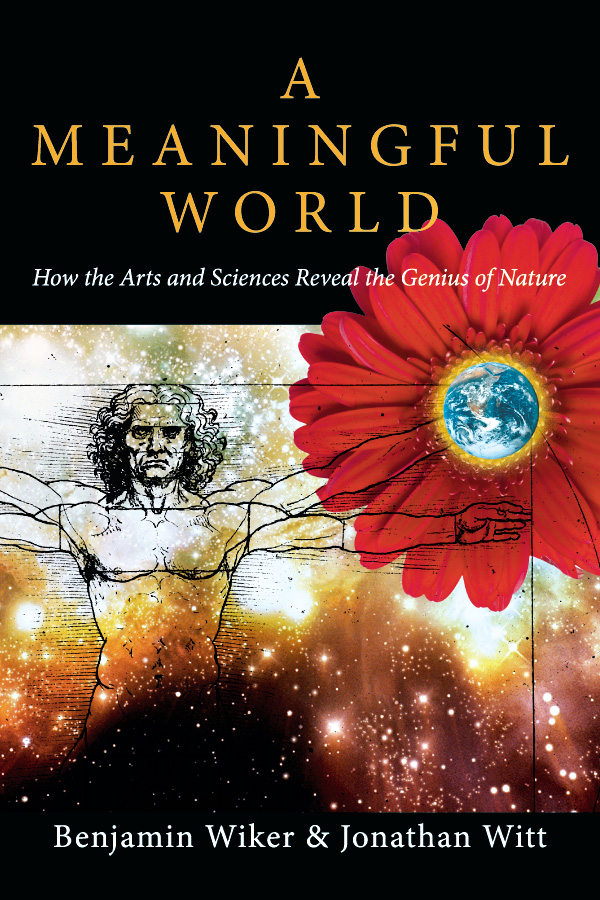
A Meaningful World
Meaningful or meaningless? Purposeful or pointless? When we look at nature, whether at our living earth or into deepest space, what do we find? In stark contrast to contemporary claims that the world is meaningless, Benjamin Wiker and Jonathan Witt reveal a cosmos charged with both meaning and purpose. Their journey begins with Shakespeare and ranges through Euclid’s geometry, the Read More ›
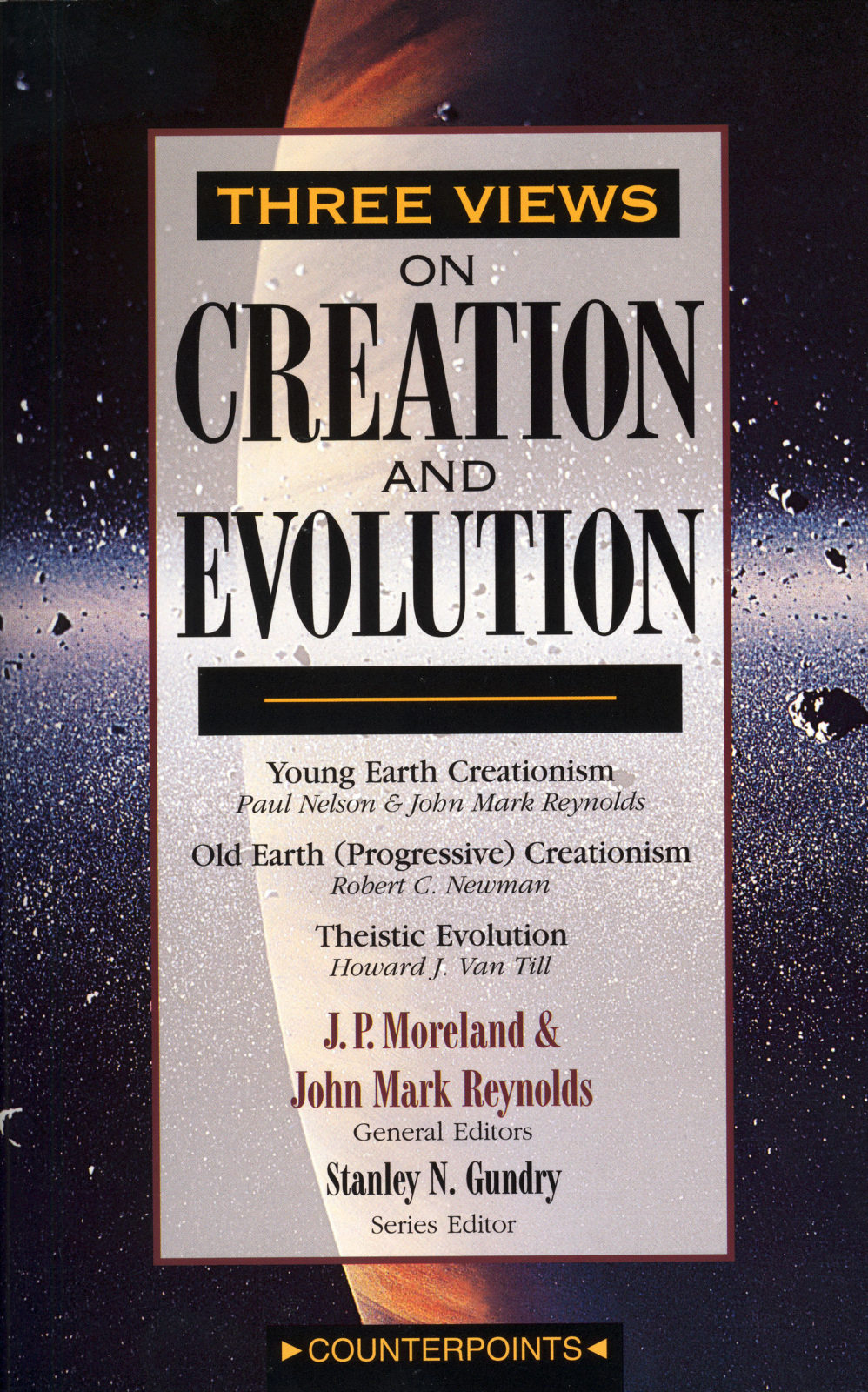
Three Views on Creation and Evolution
For Christians, the issues raised by the different views on creation and evolution can be challenging. Can a “young earth” be reconciled with a universe that appears to be billions of years old? Does scientific evidence point to a God who designed the universe and life in all its complexity? Three Views on Creation and Evolution deals with these and Read More ›
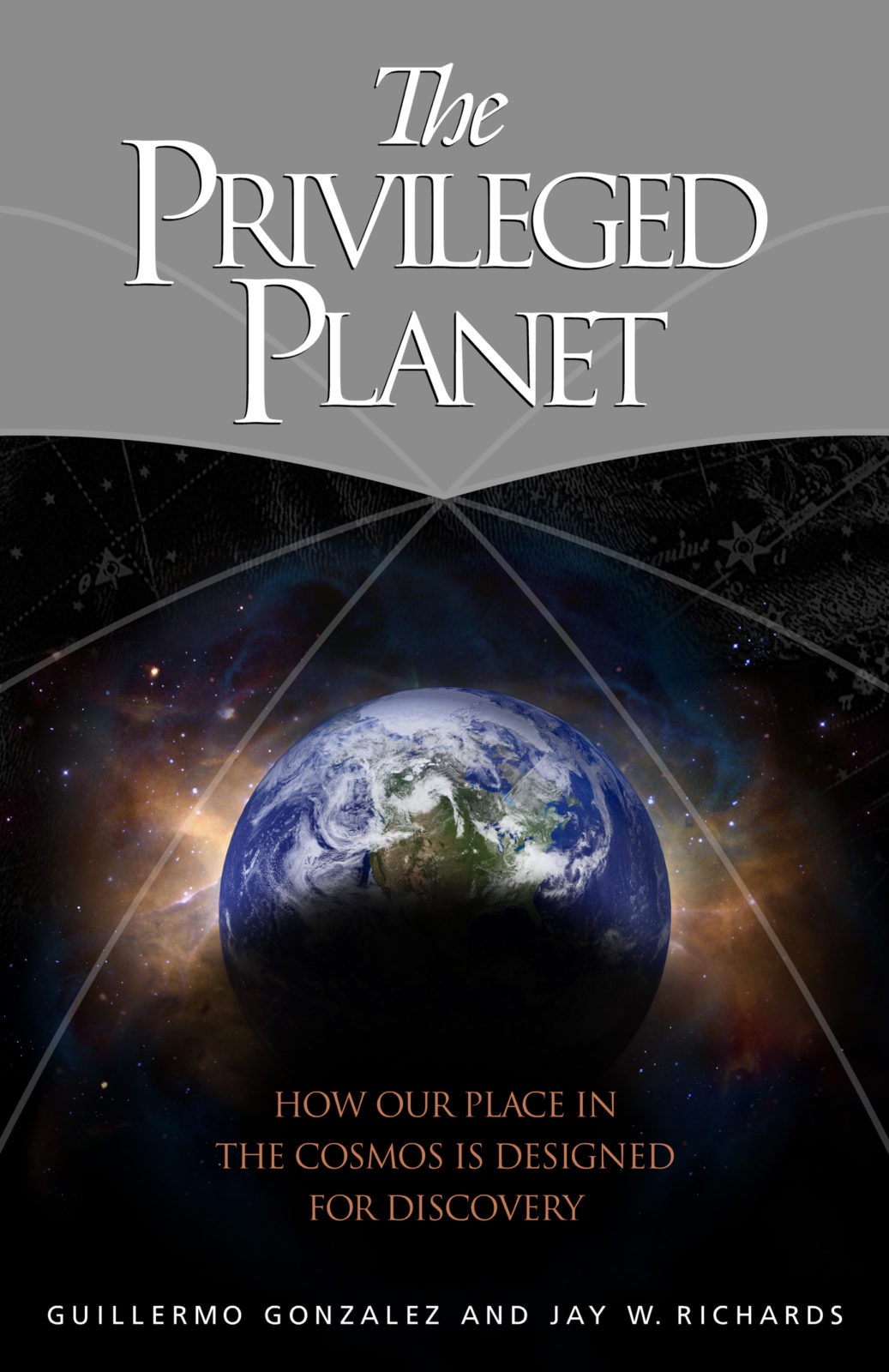
The Privileged Planet
Co-authored by two Discovery Institute Fellows, astronomer Guillermo Gonzalez and philosopher Jay W. Richards, The Privileged Planet presents a new form of design argument which can be applied to the level of the cosmos. Design proponents have long held that the physical constants of nature and properties of our solar system appear finely tuned and specified to allow for advanced Read More ›
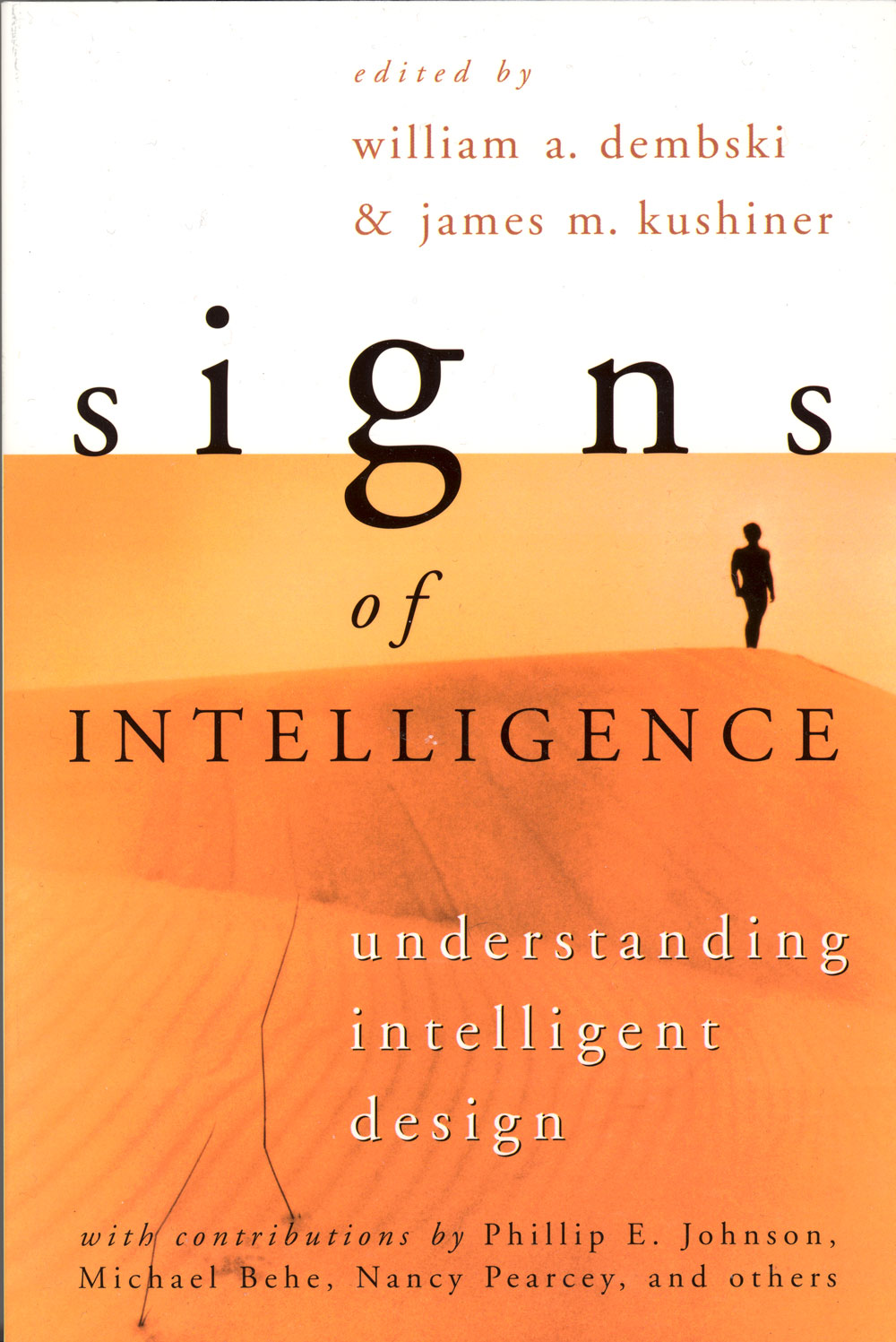
Signs of Intelligence
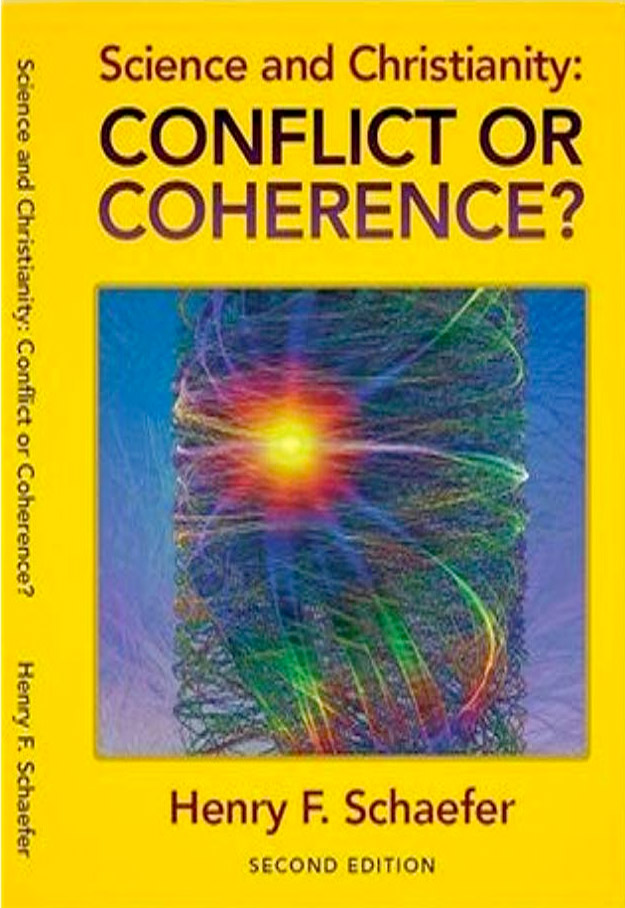
Science and Christianity
Discovery Institute Fellow Henry F. (Fritz) Schaefer is one of the most distinguished physical scientists in the world. This book describes how Dr. Schaefer became a Christian as a young professor of chemistry at the University of California at Berkeley. Schaefer sees design in the universe reigning from the cosmic level to life’s history as revealed in the fossil record, Read More ›
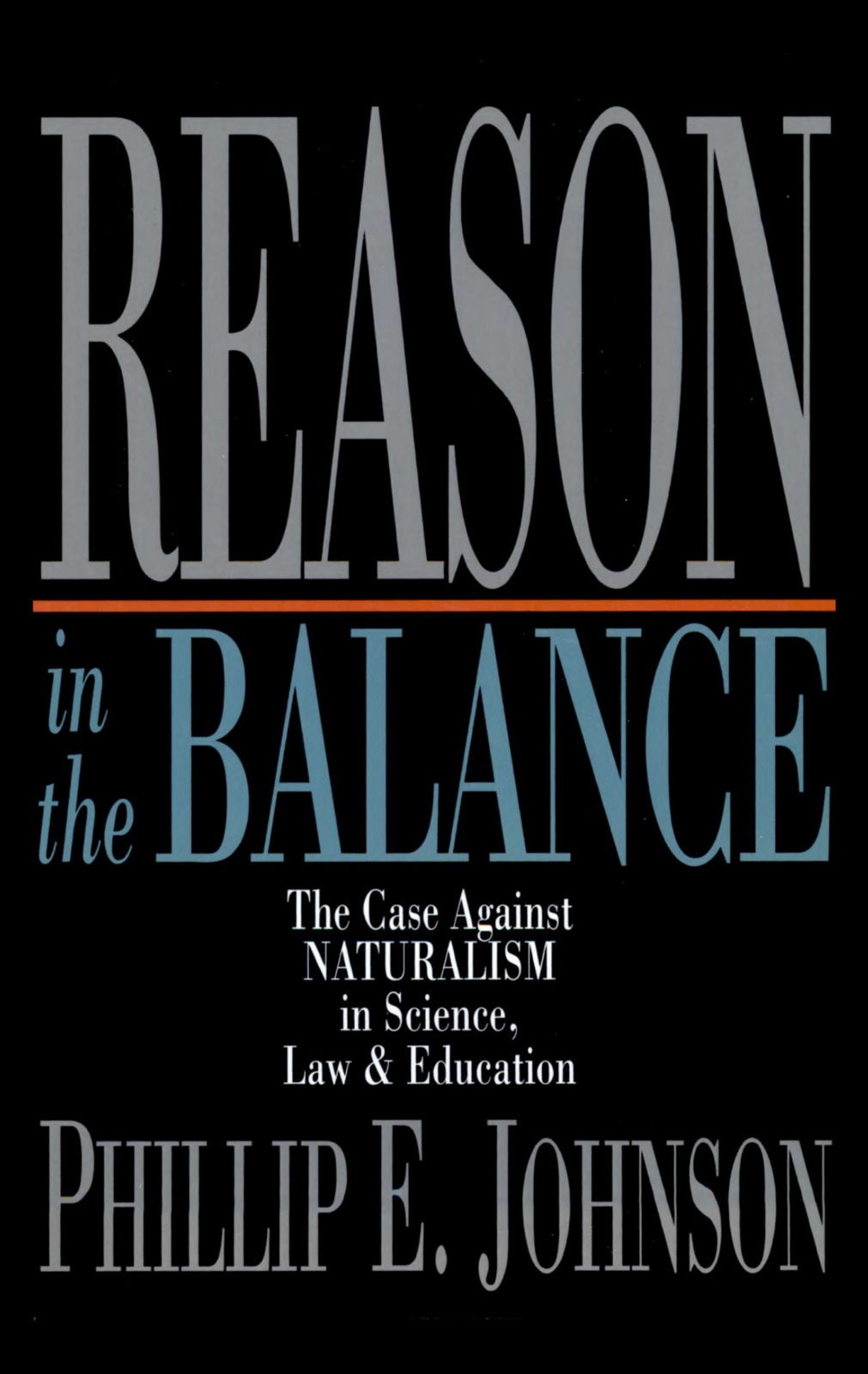
Reason in the Balance
In his earlier book, Darwin on Trial, UC Berkeley law professor and former U.S. Supreme Court clerk Phillip Johnson took on the scientific establishment. In Reason in the Balance, Johnson spars with those of his own kind, and exposes how the legal establishment has adopted naturalistic assumptions in its thinking to exclude any mention of a creative intelligence. Johnson, who Read More ›
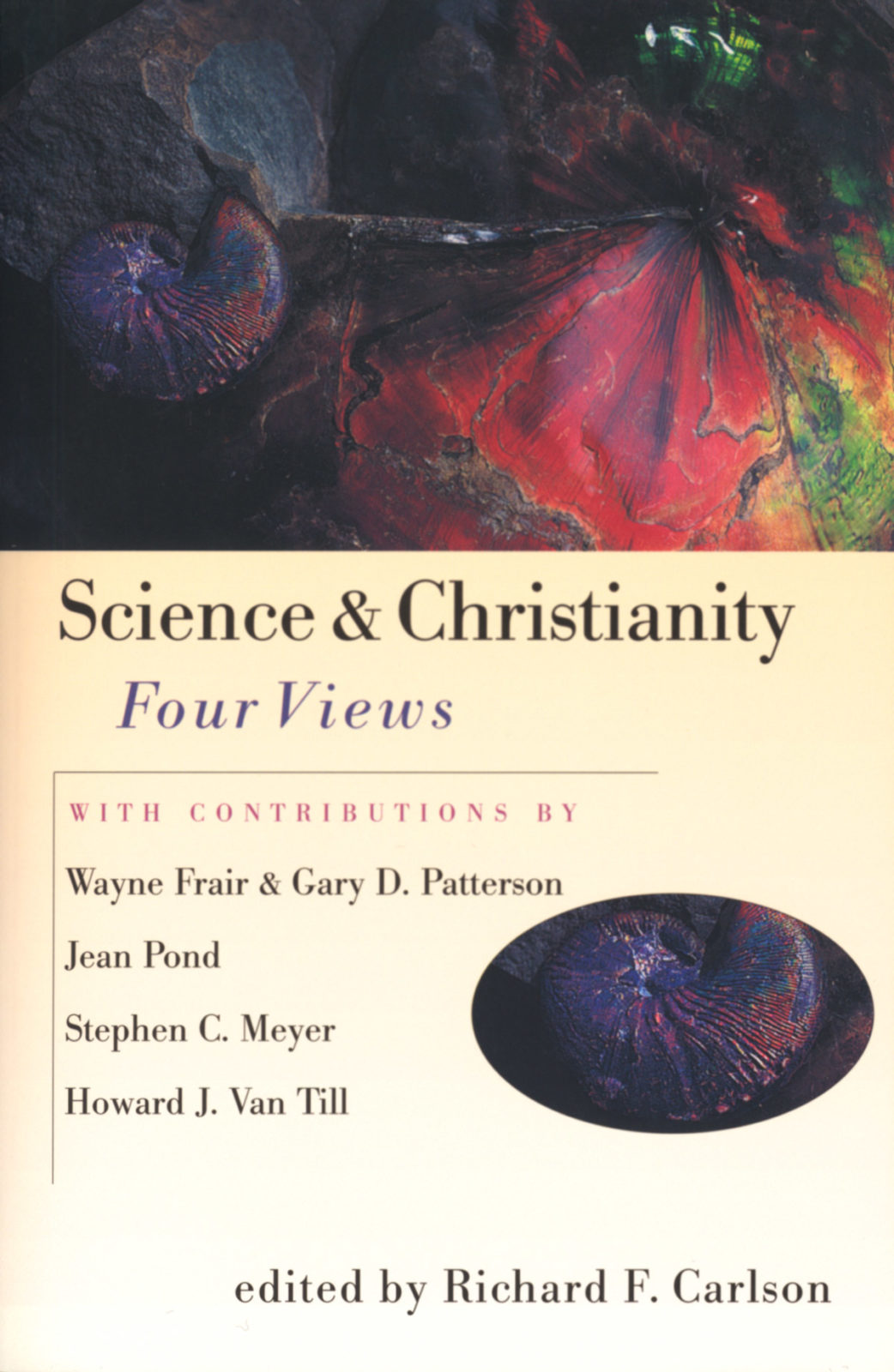
Science & Christianity
At the beginning of the 21st century, Christians continue to wonder whether faith and science are partners or opponents. In this book, six scholars sort through the issues as they present four views on the relationship of science and Christianity. These views include creationism, independence, qualified agreement, and partnership. Contributor Jean Pond is a proponent of the “independence” model. She Read More ›