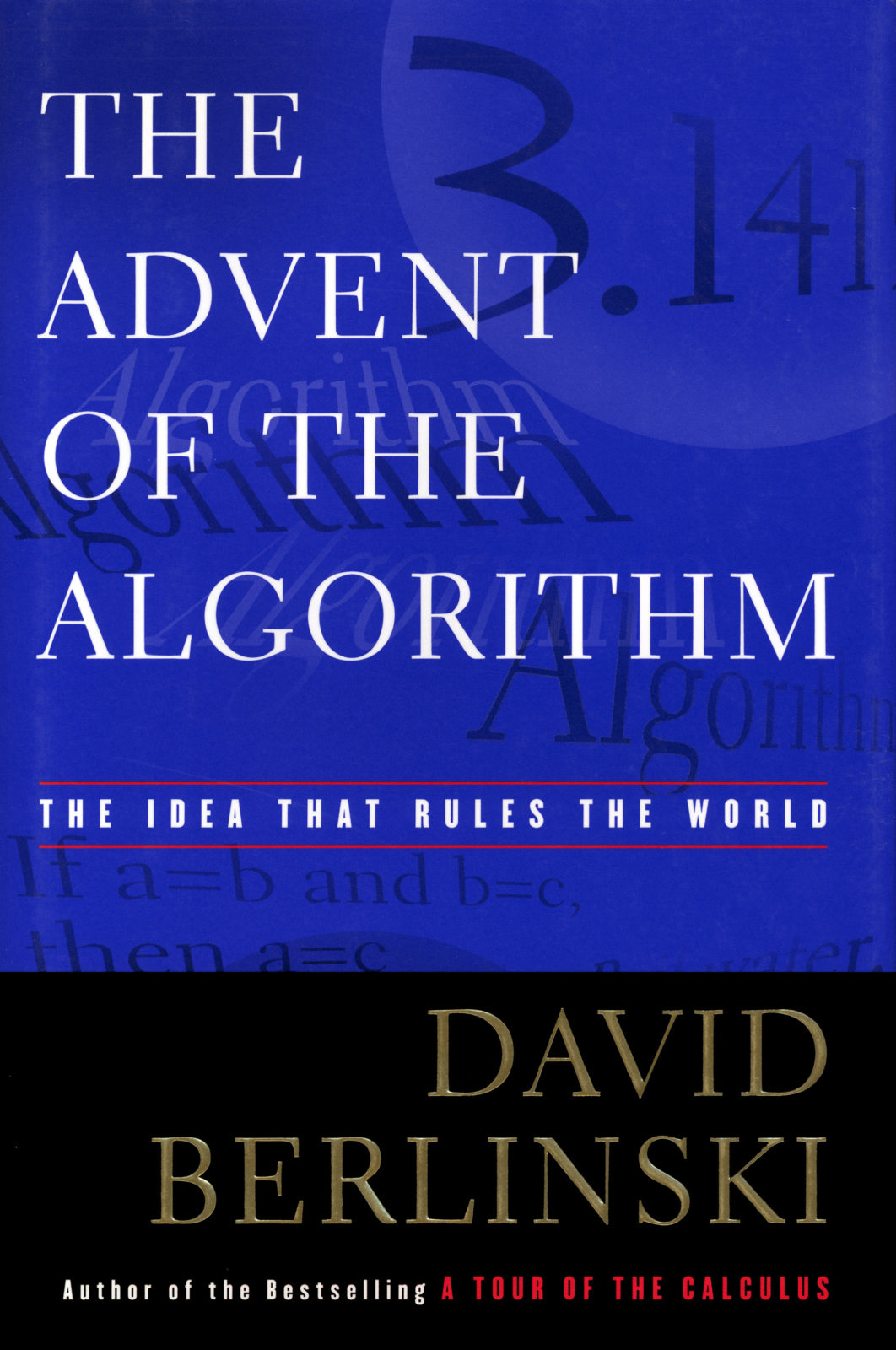

What Can We Reasonably Hope For?
In a memorable scene from the movie The Graduate, Dustin Hoffman’s parents throw him a party to celebrate his graduation from college. The parents’ friends are all there congratulating him and offering advice. What should Hoffman do with his life? One particularly solicitous guest is eager to set him straight. He takes Hoffman aside and utters a single word — Read More ›
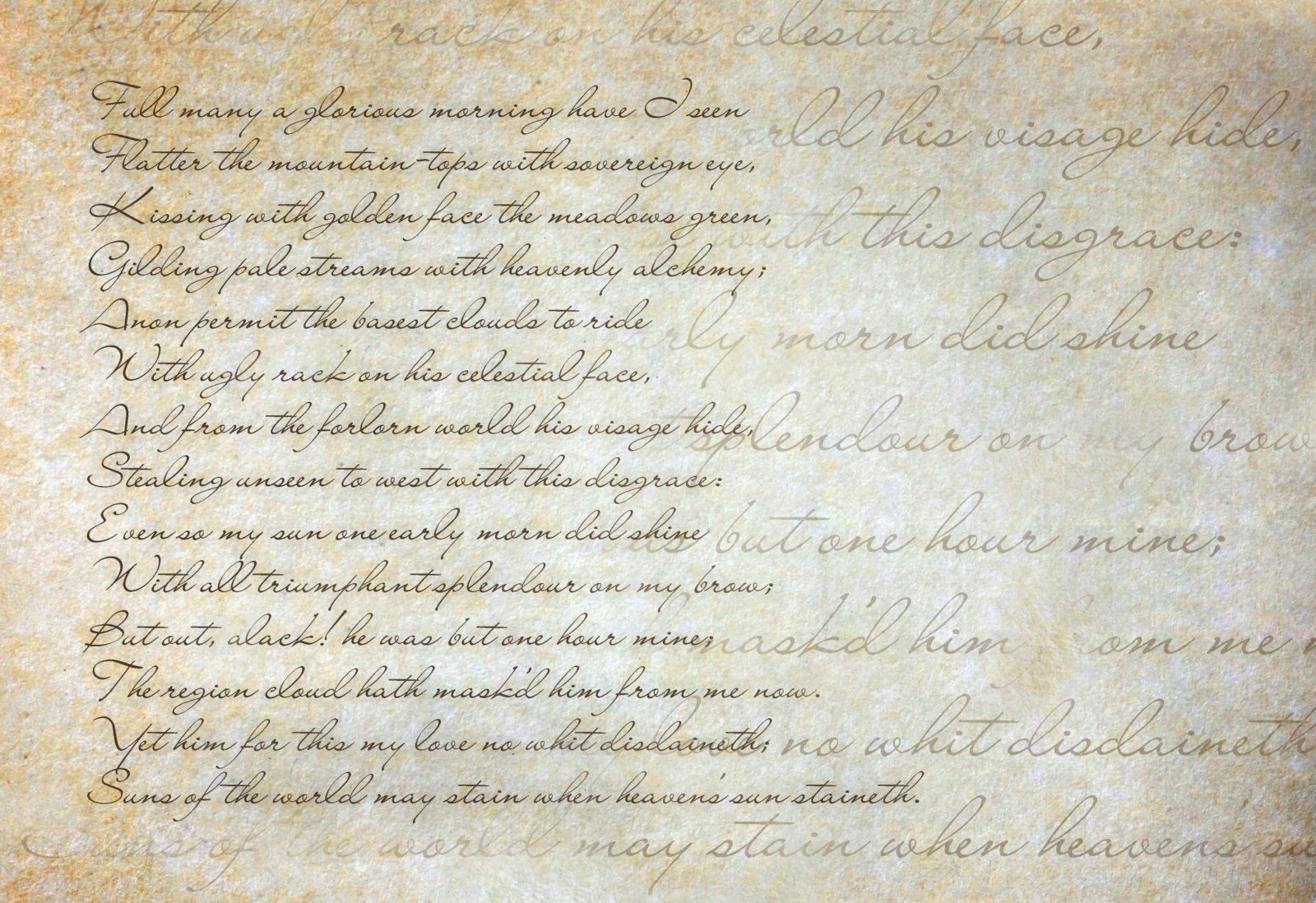
Detecting Design?
In The Design Inference (Cambridge, 1998), I argue that specified complexity is a reliable empirical marker of intelligent design. A long sequence of random letters is complex without being specified. A short sequence of letters like “the,” “so,” or “a” is specified without being complex. A Shakespearean sonnet is both complex and specified. Thus in general, given an event, object, Read More ›
Contesting science’s anti-religious bias

All Forms of Science Designed for Discussion

Why Evolutionary Algorithms Cannot Generate Specified Complexity

Intelligent Design in Public School Science Curricula
A Legal Guidebook presenting the U.S. law and case histories that support the teaching of intelligent design in public school science curriculum. Teachers, administrators, and school board attorneys will benefit from the support given to teachers to use important supplemental information in the teaching of origins as is presented in Of Pandas and People. Including discussions of design in the Read More ›

Design & the Discriminating Public
Evolution has enormous purchase on the public imagination, and it’s easy to understand why. Just peek into the average living room where toddlers everywhere are sitting wide-eyed before videos like The Land Before Time series. This series offers nothing less than an excursion into evolution. Colorful one-celled organisms arise in a blue-green primeval ocean, where they “change again and again,” Read More ›
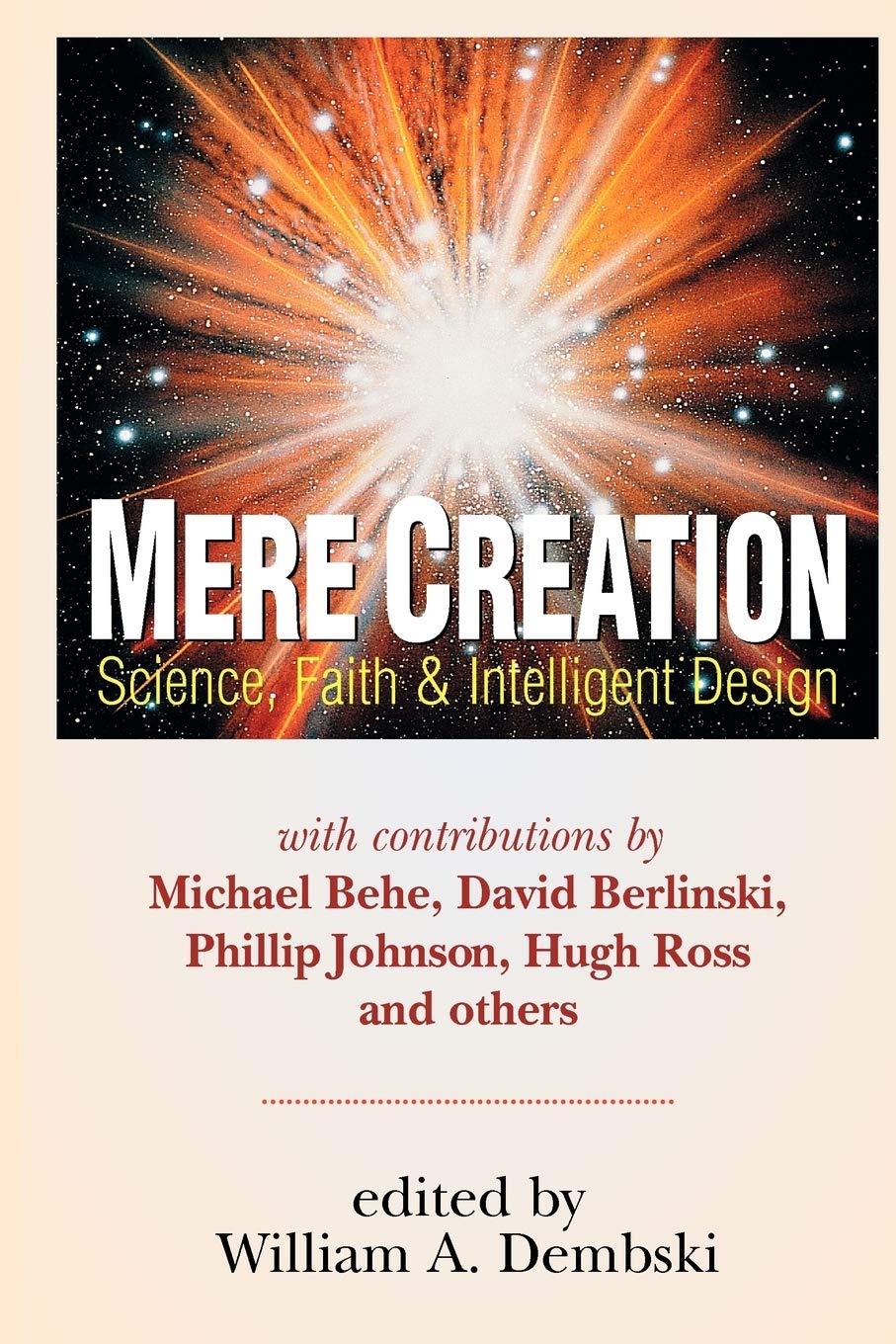
Mere Creation: Science, Faith, and Intelligent Design
For over a century, the scientific establishment has ignored challenges to the theory of evolution. But in the last decade such complacency about its scientific and philosophical foundations has been shaken. As cracks in the Darwinian edifice have begun to appear, many are asking whether a defensible alternative exists. In response to this growing crisis, a movement has emerged among Read More ›
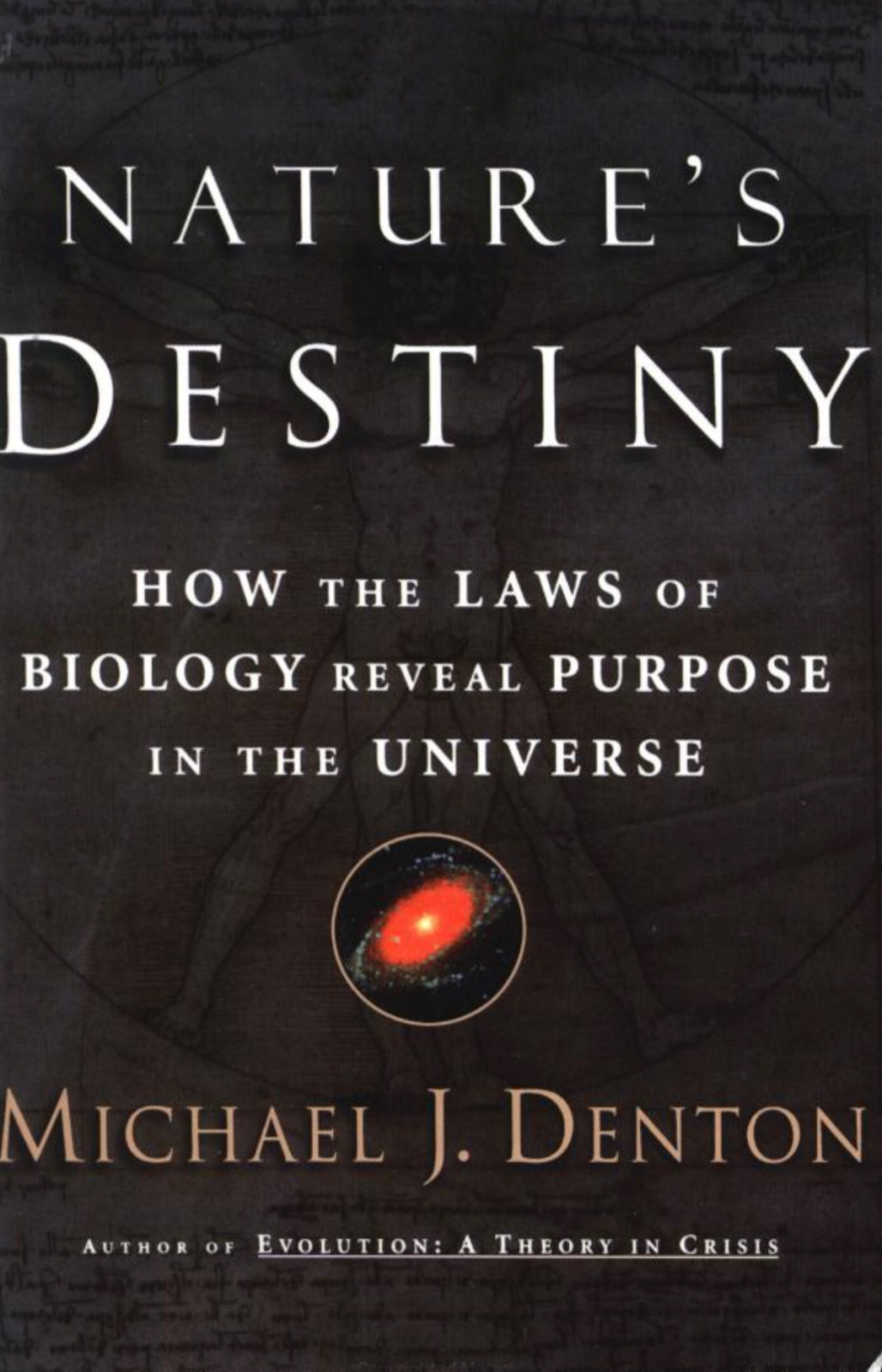
Nature’s Destiny
While others search the skies for extraterrestrial life, Michael Denton has examined the recent discoveries in all the sciences to ask — Could life elsewhere be substantially different from life on Earth? Drawing on a staggering knowledge of physics, biochemistry, geology, and evolution, Denton builds a step-by-step argument for human inevitability. Life requires water, DNA, and protein; it can only Read More ›
Teaching the Origins Controversy
One can hardly imagine a more contentious issue in the American culture wars than the debate over how biological origins should be taught in the public schools. On the one hand, the National Academy of Sciences, the National Center for Science Education, and the American Civil Liberties Union have insisted that any departure from a strictly Darwinian approach to the …
Human Genome Map Has Scientists Talking About the Divine:
Aftershocks of the human genome announcement rippled through San Francisco all weekend as the annual meeting of the American Association for the Advancement of Science brought thousands of thinkers here to mull the surprising fact that humans have only a few more genes than mice. But to my mind, the most memorable moment in these last few weeks of genetic Read More ›