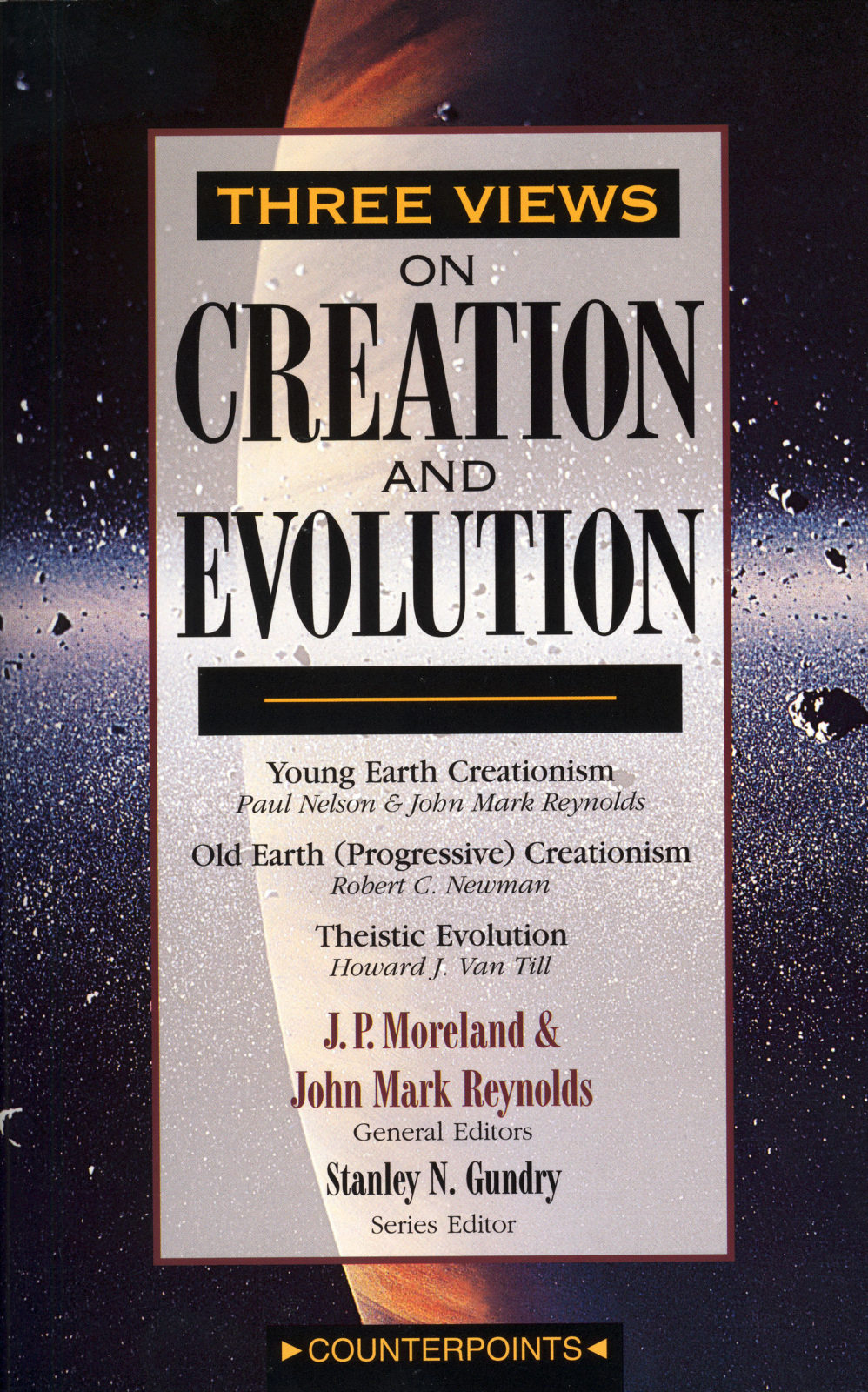
Three Views on Creation and Evolution
For Christians, the issues raised by the different views on creation and evolution can be challenging. Can a “young earth” be reconciled with a universe that appears to be billions of years old? Does scientific evidence point to a God who designed the universe and life in all its complexity? Three Views on Creation and Evolution deals with these and Read More ›
The Untamed God
According to philosopher Jay Richards, Senior Fellow at Discovery Institute, the essential tenets of classical theism on the doctrine of God can be stated simply. First, God exists. Second, He created the world — meaning, everything other than God — in such a way that the world owes its existence and individual features to him. Thirdly, God created the world Read More ›
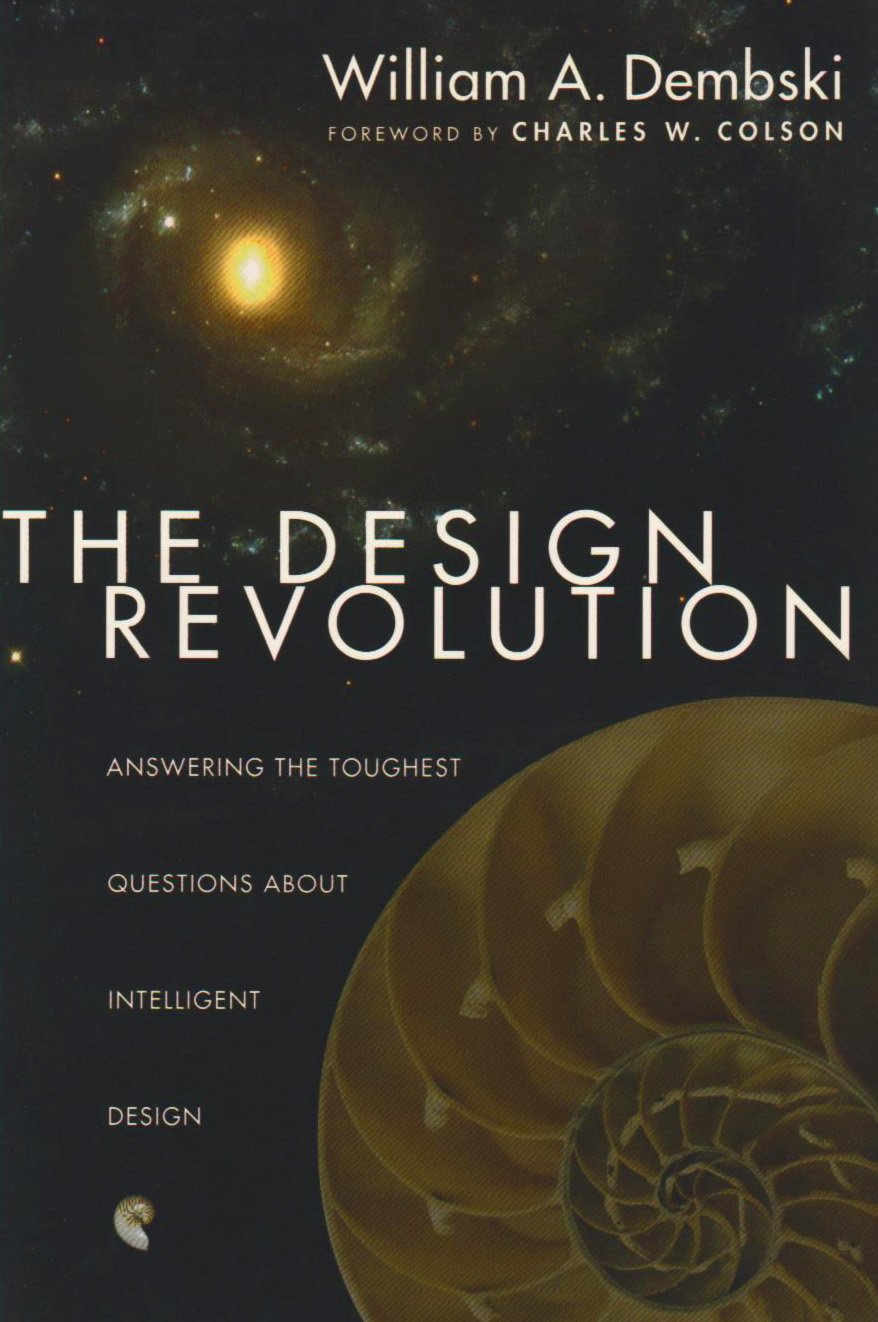
The Design Revolution
The Design Revolution by mathematician and philosopher William Dembski is perhaps the best “bang for your buck” treatment on intelligent design. Dembski is a leading design theorist and Senior Fellow at the Discovery Institute. This popular work serves almost as an “FAQ” on intelligent design. It is ideal for the layperson who would like to understand intelligent design and see how Read More ›
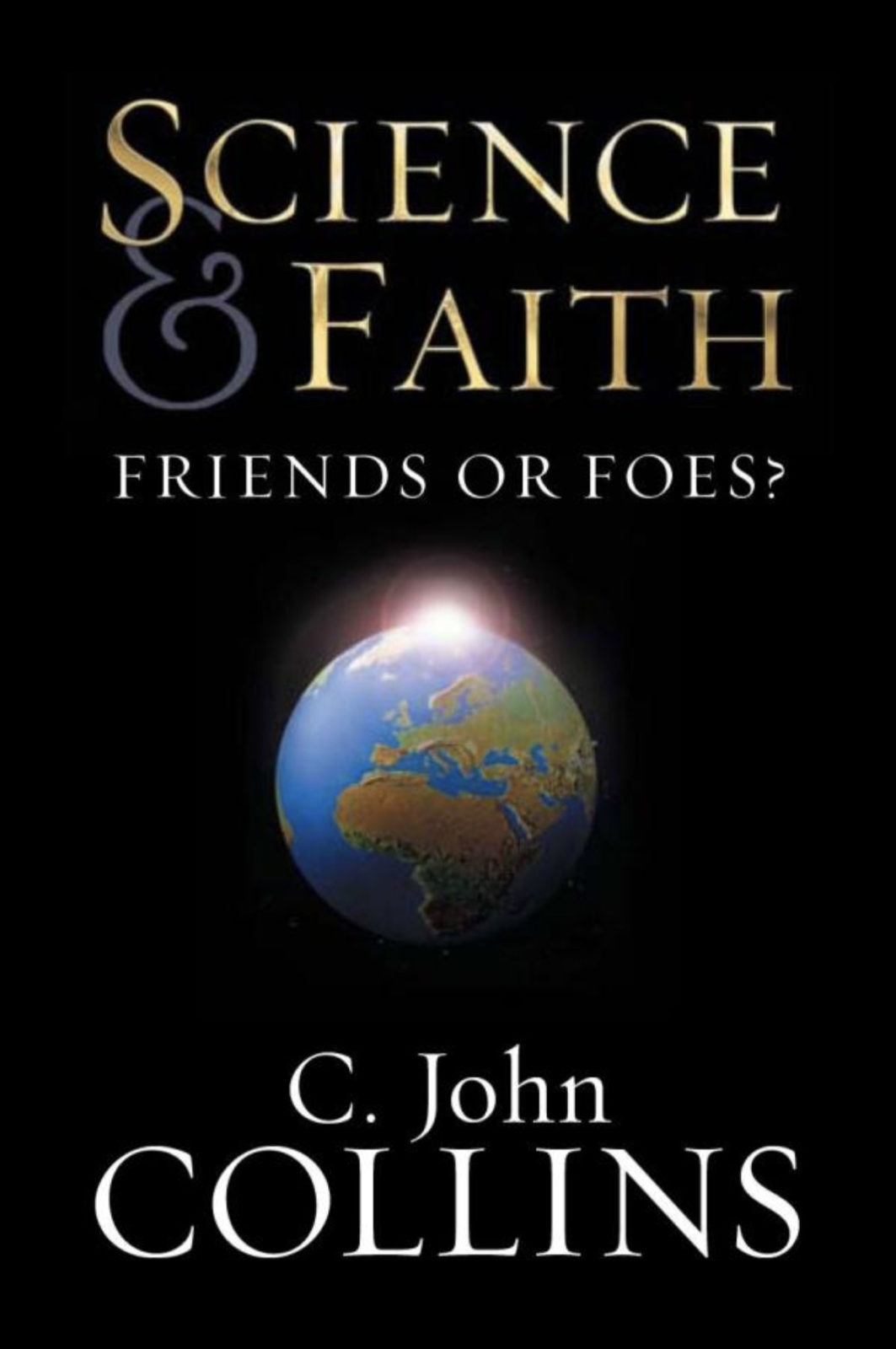
Science and Faith
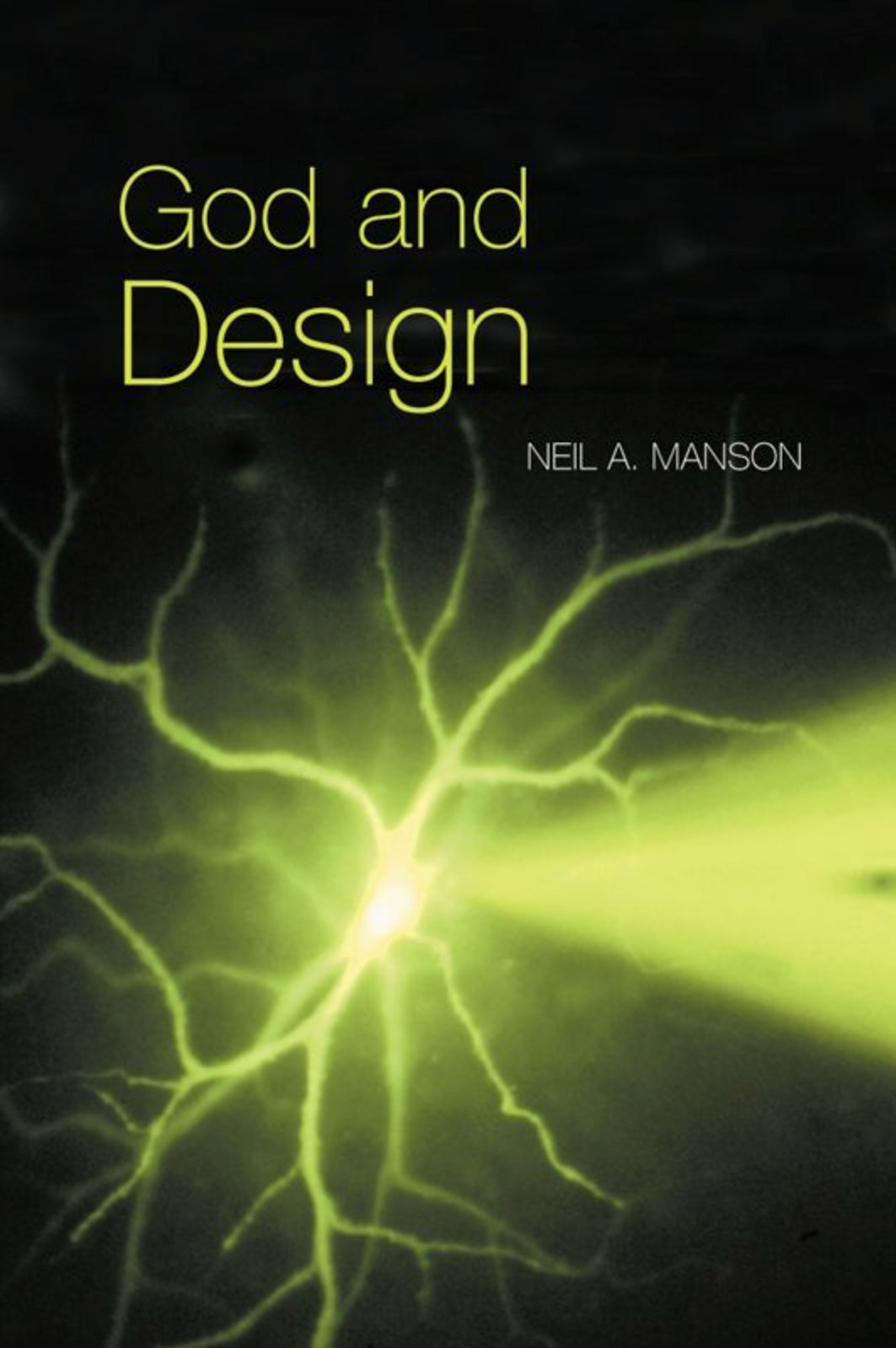
God and Design
Recent discoveries in physics, cosmology, and biochemistry have captured the public imagination and made the Design Argument – the theory that God created the world according to a specific plan – the object of renewed scientific and philosophical interest. This accessible but serious introduction to the design problem brings together new perspectives from prominent scientists and philosophers including Paul Davies, Read More ›

The Man Who Was Thursday, the Nightmare of Modernity, and the Days of Creation
The Man Who Was Thursday: A Nightmare by G.K. Chesterton From the April 9, 2002 lecture at Seattle Pacific University This book is not a dispassionate philosophical treatise. Instead, it’s the account of a desperate war with high stakes: the future of human society hangs in the balance. This, Chesterton tells us, is what is really at issue when Gabriel Read More ›
The Virtual Office of Dr. William Lane Craig
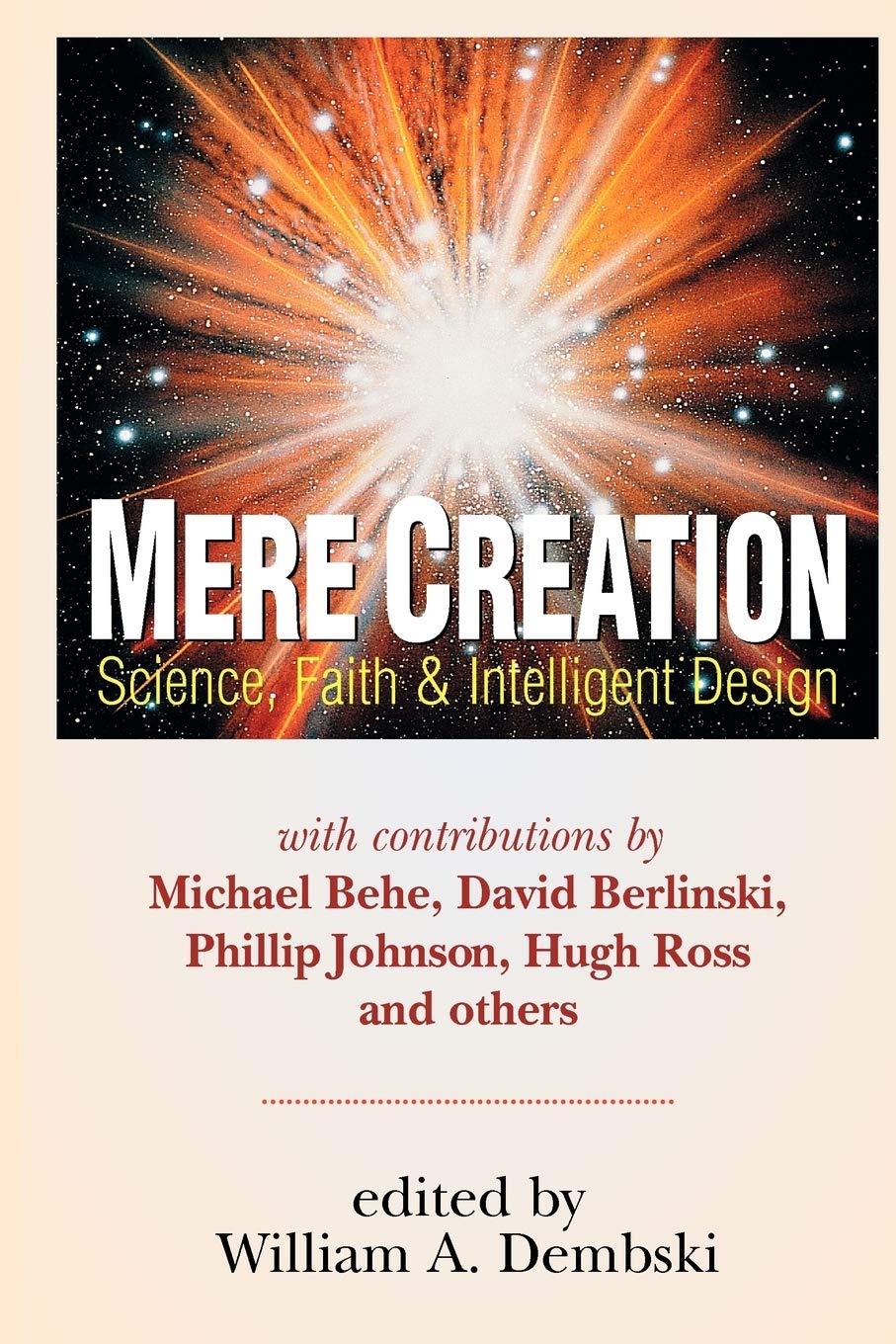
Mere Creation: Science, Faith, and Intelligent Design
For over a century, the scientific establishment has ignored challenges to the theory of evolution. But in the last decade such complacency about its scientific and philosophical foundations has been shaken. As cracks in the Darwinian edifice have begun to appear, many are asking whether a defensible alternative exists. In response to this growing crisis, a movement has emerged among Read More ›

The Act of Creation
Abusing Theology
Abstract: According to Howard Van Till, the early Christian fathers Basil and Augustine taught that life appeared as a consequence of creaturely capacities which God bestowed on the world from the beginning, in contrast to special creationism, which teaches that God intervened in the creation to make living things. To reconcile Christian faith with modern science, Van Till advocates recovering “the historic creationist tradition,” which he characterizes as the “forgotten doctrine of Creation’s functional integrity” taught by Basil and Augustine. Basil, however, believed that God intervened in the creation to make living things, and was thus a special creationist. According to Augustine, God created everything simultaneously and placed causal principles into the creation which subsequently produced creatures in time. But Augustine proposed his theory of causal principles to emphasize that every species was created in the beginning by a special act of God, and he denied that creaturely capacities could produce anything new. Therefore, Van Till’s “forgotten doctrine of Creation’s functional integrity” has no basis in Basil’s theology, and its emphasis on creaturely capacities is alien to Augustine’s theology; so “the historic creationist tradition” is not what Van Till represents it to be.
Some Christians believe that the major features of living things could not have arisen through Darwinian evolution, but must have been specially created by God. Physicist Howard J. Van Till criticizes this position on the grounds that it relies on a “God-of-the-gaps” who must “act directly in the course of creation’s formative history to compensate for gaps or deficiencies in the capacities of created substances.” According to Van Till, the world is characterized instead by “functional integrity,” meaning that it “has no functional deficiencies, no gaps in its economy of the sort that would require God to act immediately.”1
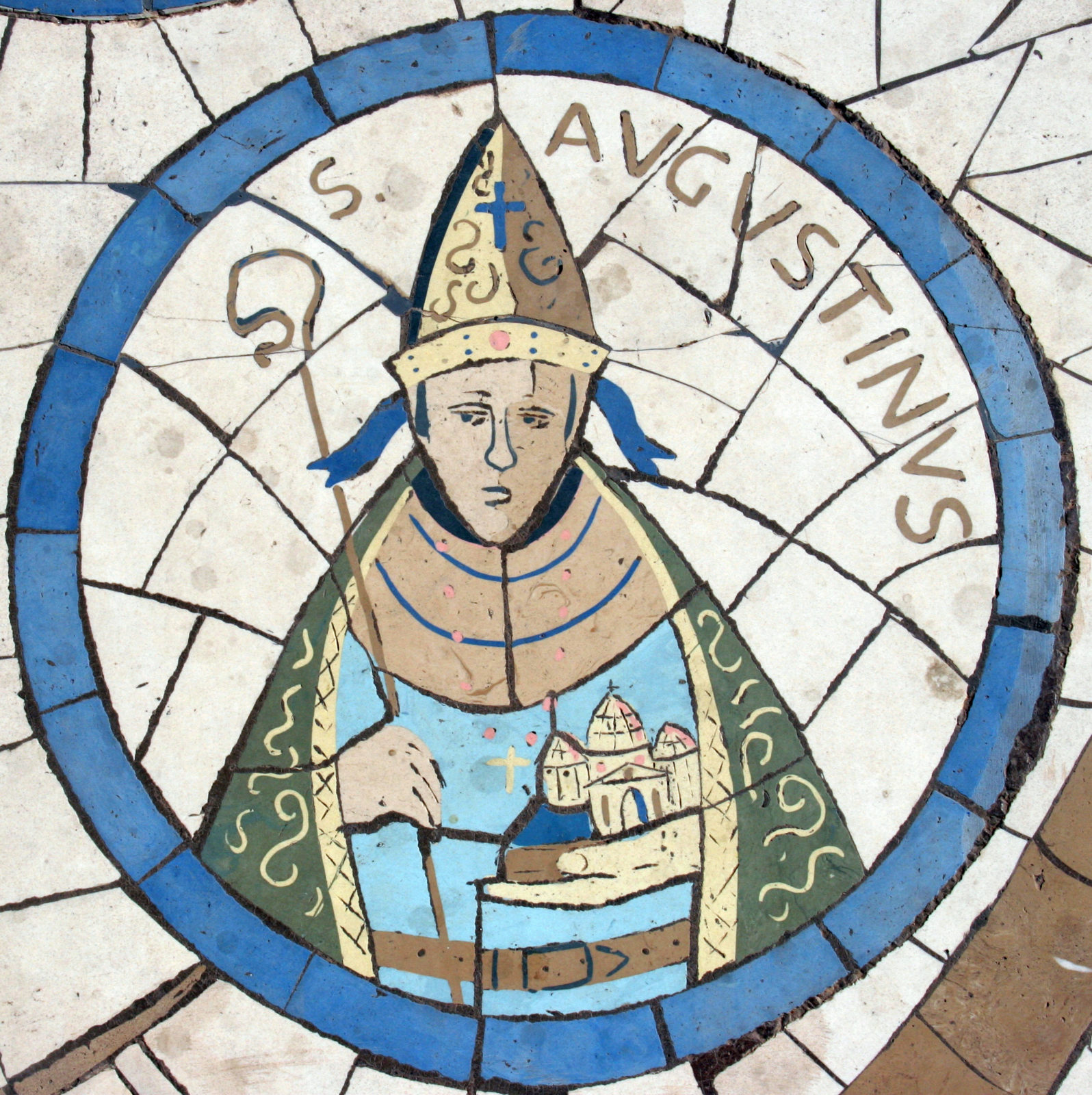
Van Till maintains that his position is rooted in the theological writings of St. Basil of Caesarea and St. Augustine of Hippo. According to Van Till, these two early Christian fathers taught “that at the beginning God created, from nothing, all substances and forms, but that the forms of creatures became actualized only in the course of time. Most importantly, these creatures appeared in the course of history not as a consequence of some new, direct and ‘special’ act of God (an ‘intervention’), but as the consequence of created substances employing their God-given capacities to bring about in time what the Creator had in mind from the beginning.”2
Read More ›