Darwin’s Conservatives
A Meaningful World
Meaningful or meaningless? Purposeful or pointless? When we look at nature, whether at our living earth or into deepest space, what do we find? In stark contrast to contemporary claims that the world is meaningless, Benjamin Wiker and Jonathan Witt reveal a cosmos charged with both meaning and purpose. Their journey begins with Shakespeare and ranges through Euclid’s geometry, the Read More ›
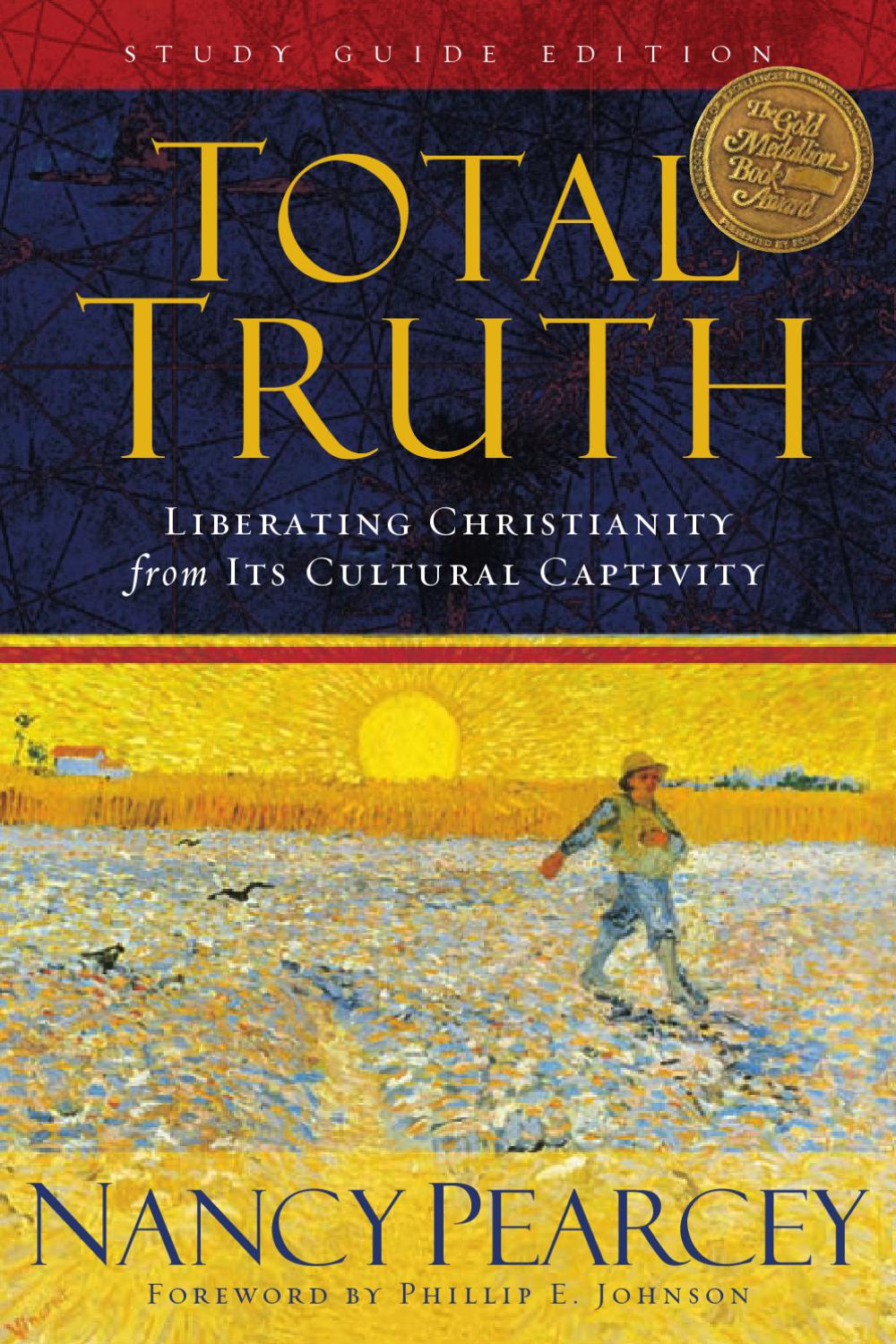
Total Truth
In this award-winning book, Nancy Pearcey, a Fellow of the Discovery Institute, presents an analysis of the impact that Darwinism has had upon our culture. Pearcey starts by observing that our culture has separated “truth” into two categories. In the “upper story” is noncognitive experience. This is the realm of private truth which ranges from favorite ice-cream flavors to one’s Read More ›
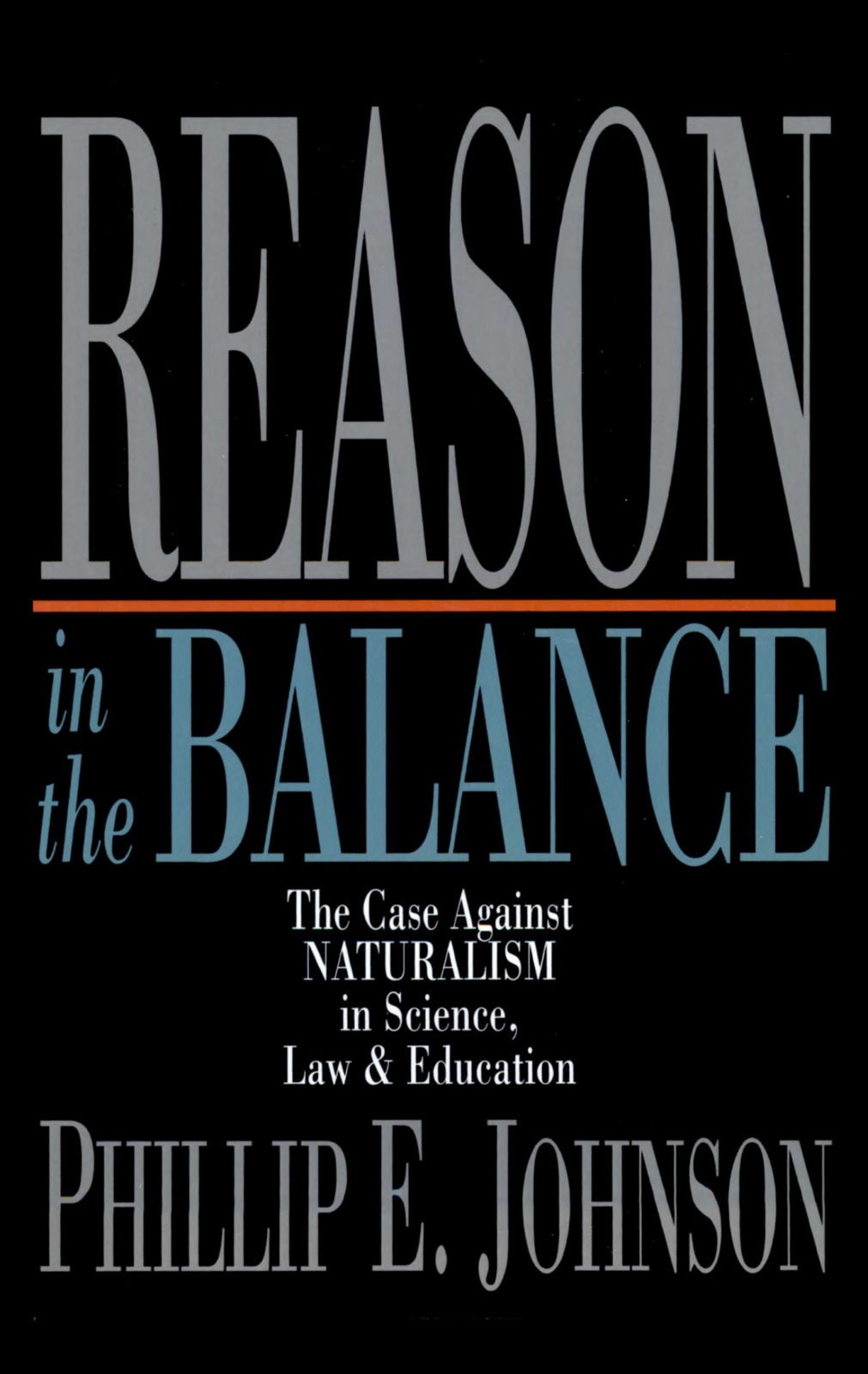
Reason in the Balance
In his earlier book, Darwin on Trial, UC Berkeley law professor and former U.S. Supreme Court clerk Phillip Johnson took on the scientific establishment. In Reason in the Balance, Johnson spars with those of his own kind, and exposes how the legal establishment has adopted naturalistic assumptions in its thinking to exclude any mention of a creative intelligence. Johnson, who Read More ›
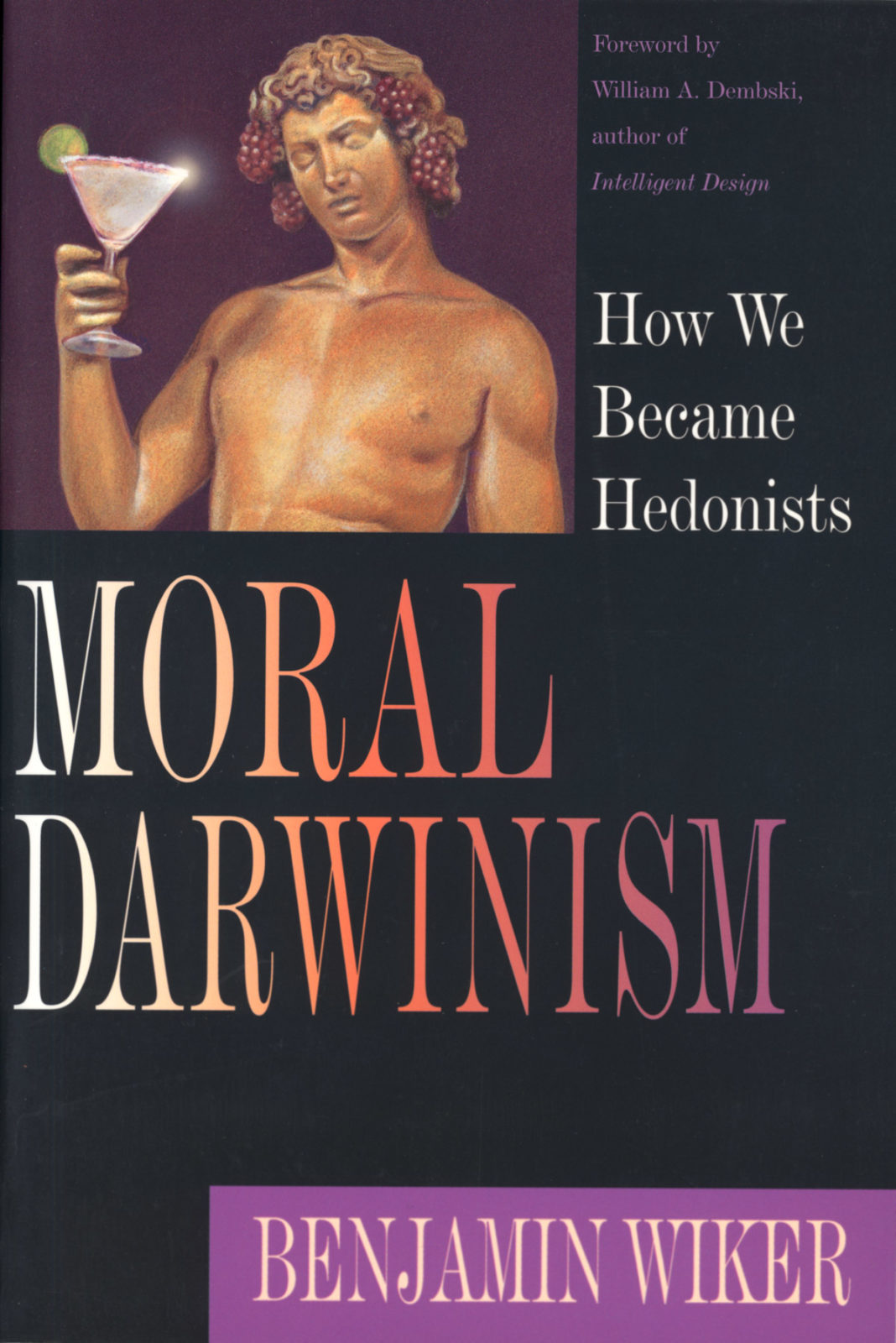
Moral Darwinism
In this book, Senior Discovery Institute Fellow Benjamin Wiker does a brilliant job of tracing the roots of hedonism. Insofar as traditional theists sense an underlying cause for the moral decline of Western culture, all roads lead to Epicurus and the train of thought he set in motion. For Epicurus, pleasure consisted in freedom from disturbance. For Epicurus, to allow Read More ›
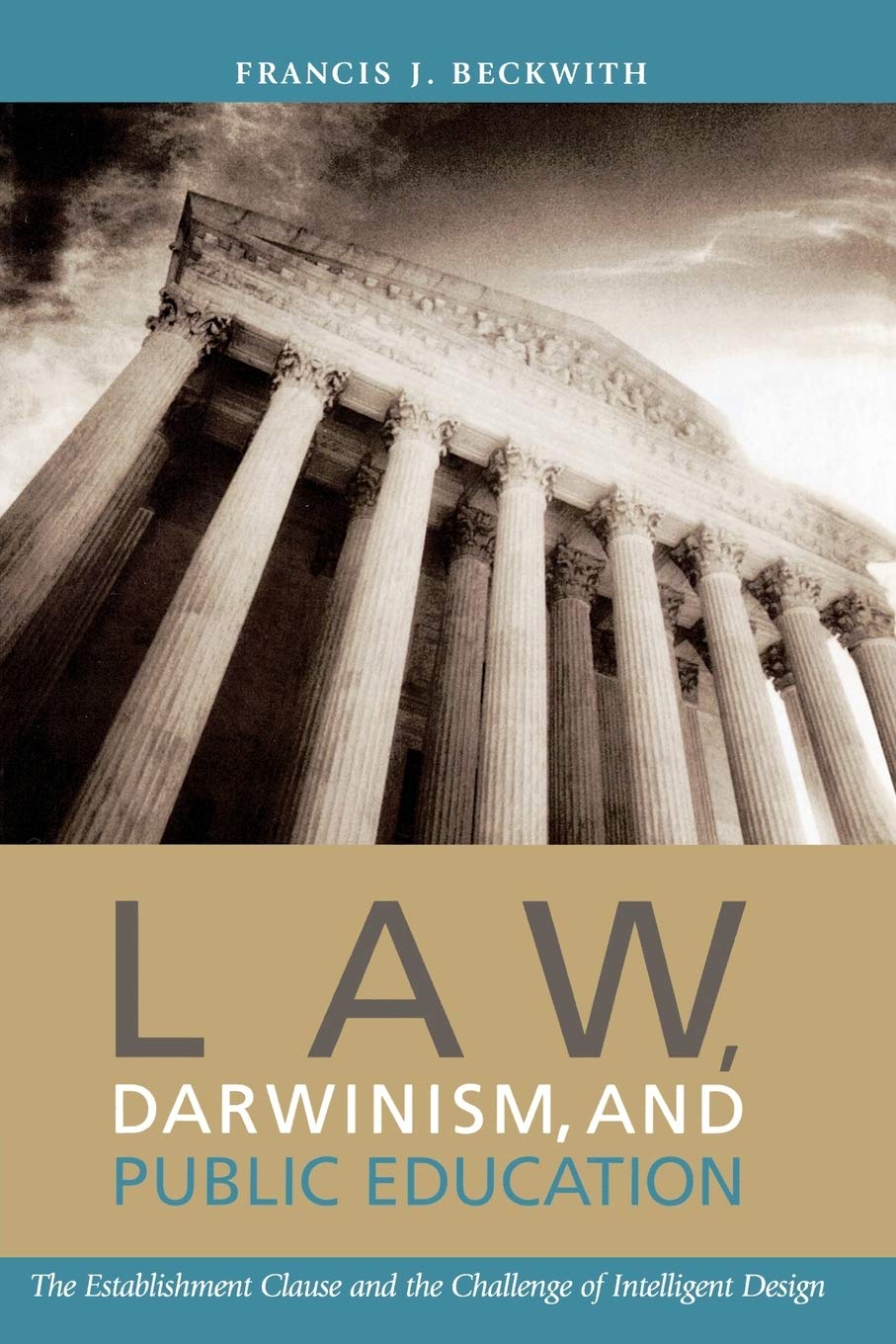
Law, Darwinism, and Public Education
Legal scholar and former Discovery Fellow Francis J. Beckwith recounts the legal history of court battles over the teaching of biological origins. Though many thought that the landmark Supreme Court case Edwards v. Aguillard would permanently settle these questions by ruling creationism unconstitutional, Beckwith observes that intelligent design poses a new challenge to legal scholars. Beckwith, who has published about Read More ›

Forced Exit
Bioethicist and Senior Discovery Institute Fellow Wesley J. Smith pierces the emotionalism, fear mongering, and euphemisms that are the standard fare of the assisted suicide movement to expose its attempt to strip the sick and disabled of their dignity. Far from a compassionate answer to suffering, assisted suicide is a new form of oppression. Forced Exit offers chilling evidence of Read More ›
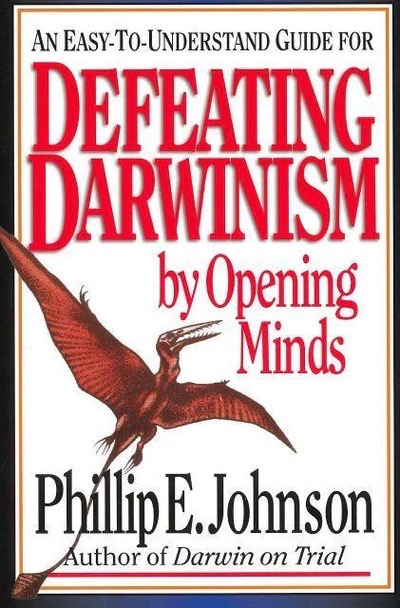
Defeating Darwinism by Opening Minds
Defeating Darwinism by Opening Minds is directed at a lay audience who is trying to understand how to open up serious dialogue over evolution. UC Berkeley law professor Phillip Johnson and program advisor for the Discovery Institute’s Center for Science and Culture, explains that the core question in the creation/evolution debate is not about the age of the earth, but Read More ›
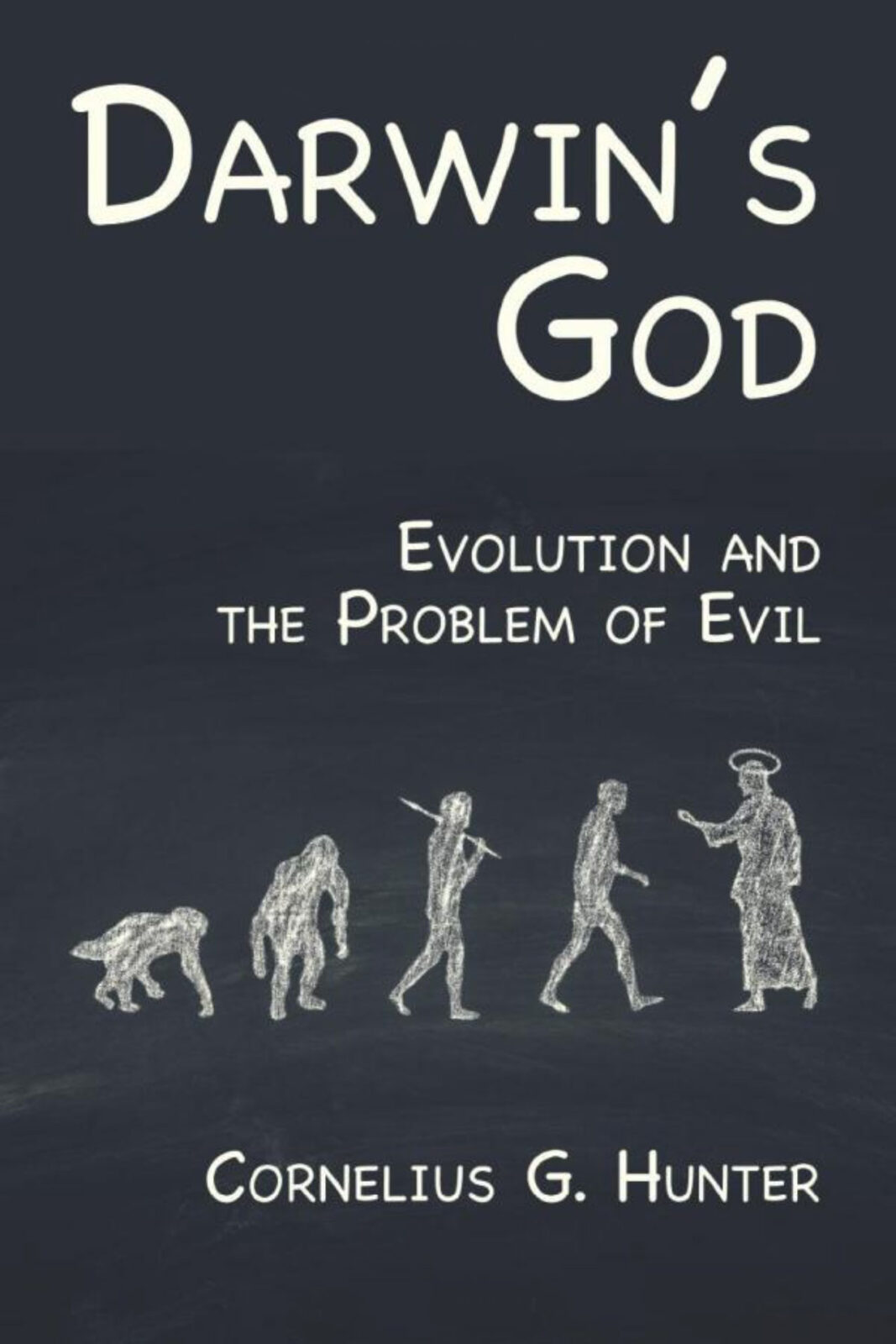
Darwin’s God
Biophysicist and Discovery Fellow Cornelius Hunter scrutinizes the evidence used to support Darwinian theory. Not only does Hunter find that the scientific evidence for Neo-Darwinism is weak, but he exposes that much of evolutionary theory has historically been built upon dysteleological arguments against design. In other words, evolution grew in popularity because it argued against a particular theological position, not Read More ›
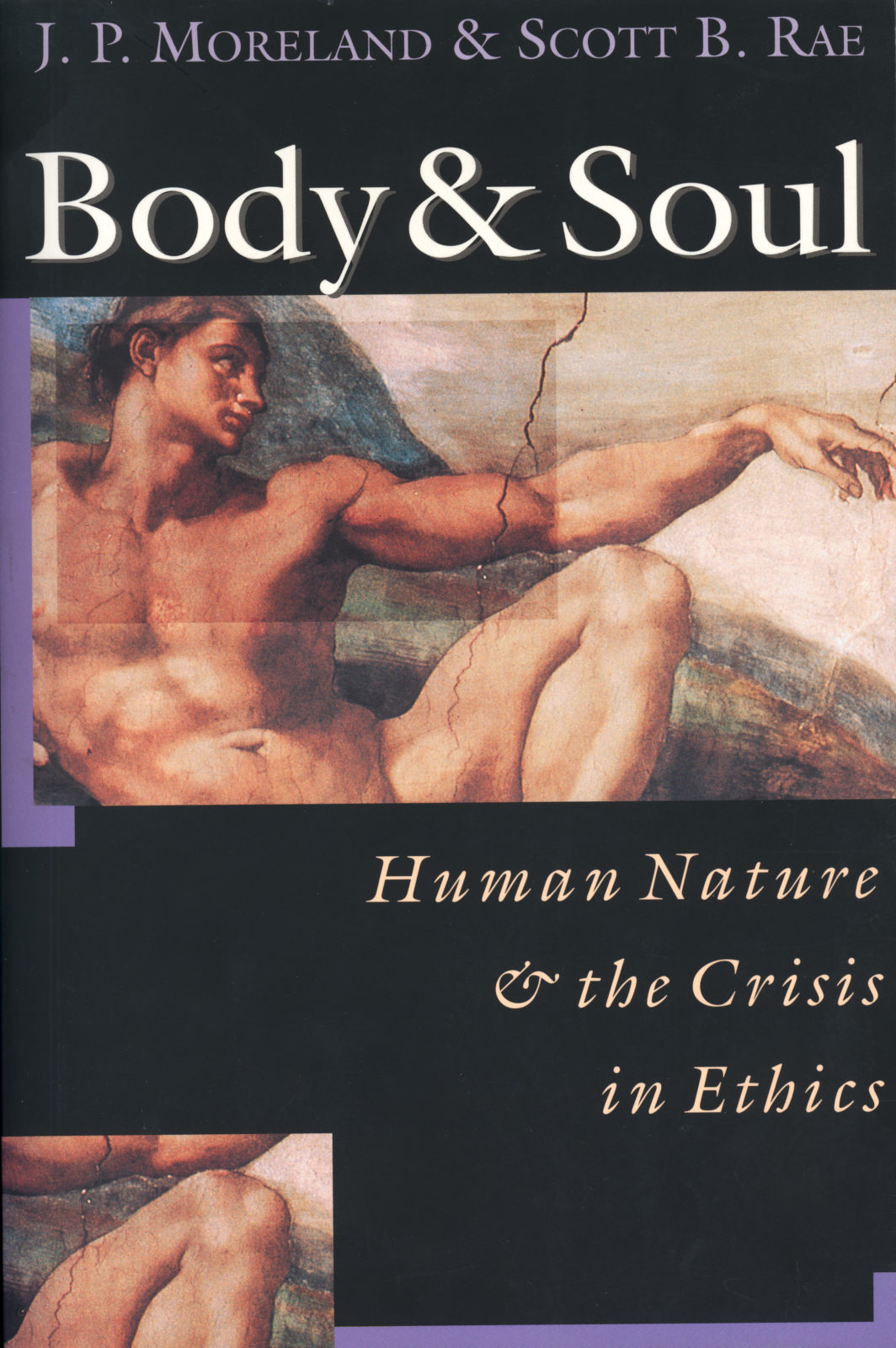
Body & Soul
While most people throughout history have believed that we are both physical and spiritual beings, the rise of science has called the existence of the soul into question. Many argue that neurophysiology demonstrates the radical dependence, indeed, identity between mind and brain. Advances in genetics and in mapping DNA, some say, show there is no need for the hypothesis of Read More ›