consciousness

AdobeStock_133533520-scaled
Licensed via Adobe Stock

Did Consciousness Evolve?

On this ID The Future episode from the vault, neurosurgeon Michael Egnor interviews Bernardo Kastrup, a philosopher with a background in computer engineering, about consciousness, evolution, and intelligent design. Did consciousness evolve? What does the evidence suggest? And how do materialists deal with the seemingly immaterial reality that is consciousness? Read More ›
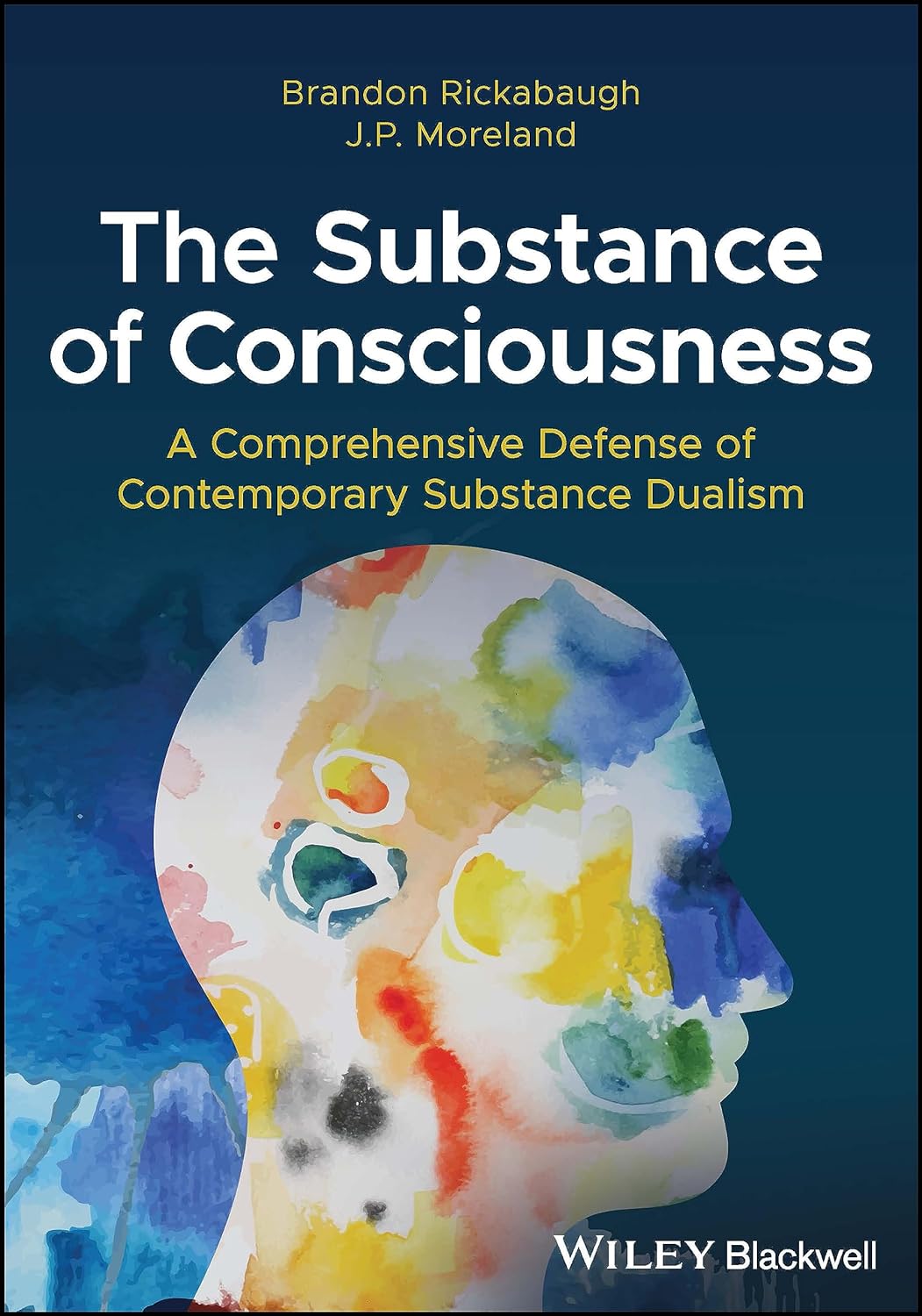
The Substance of Consciousness

The Substance of Consciousness

A singularly powerful and rigorous argument in favor of modern substance dualism. In The Substance of Consciousness: A Comprehensive Defense of Contemporary Substance Dualism, two distinguished philosophers deliver a unique and powerful defense of contemporary substance dualism, which makes the claim that the human person is an embodied fundamental, immaterial, and unifying substance. Multidisciplinary in scope, the book explores areas Read More ›

person-light-woman-sunset-wave-contemplation-930123-pxhere.com_-scaled
Photo Provided by PxHere

Hinduism, Reincarnation, and the Mind-Body Problem
Arjuna Gallagher is the host of the YouTube Channel called Theology Unleashed and a Hindu. He discusses Hinduism, reincarnation, karma, and other religious subjects as they pertain to the relationship between the mind and the body with Michael Egnor. Read More ›
2d-illustration-human-male-muscle-body-stockpack-adobe-stock-scaled
2d illustration of human male

Discussing Consciousness and the Mind-Body Problem

What does it even mean to be aware of something, to be conscious? Why do the vast majority of people only have one consciousness? Will computers ever experience consciousness? On this Bingecast, Dr. Robert J. Marks and Dr. Angus Menuge discuss these questions and more. Read More ›
boy-riding-on-mechanical-bull-stockpack-adobe-stock
Boy riding on mechanical bull
Image Credit: Arkady Chubykin - Adobe Stock

Don’t Blame Me; I’m a Meat Robot.

Methodological naturalism invariably draws certain conclusions. One of these notions is that we have no free will, and therefore, no culpability. We are essentially puppets hanging from genetic strings. Dr. Michael Egnor and Dr. Joshua Farris discuss this erroneous idea, as well as other failing conclusions created by ideological science. Read More ›