
Artificial intelligence

su-10-ai-marks

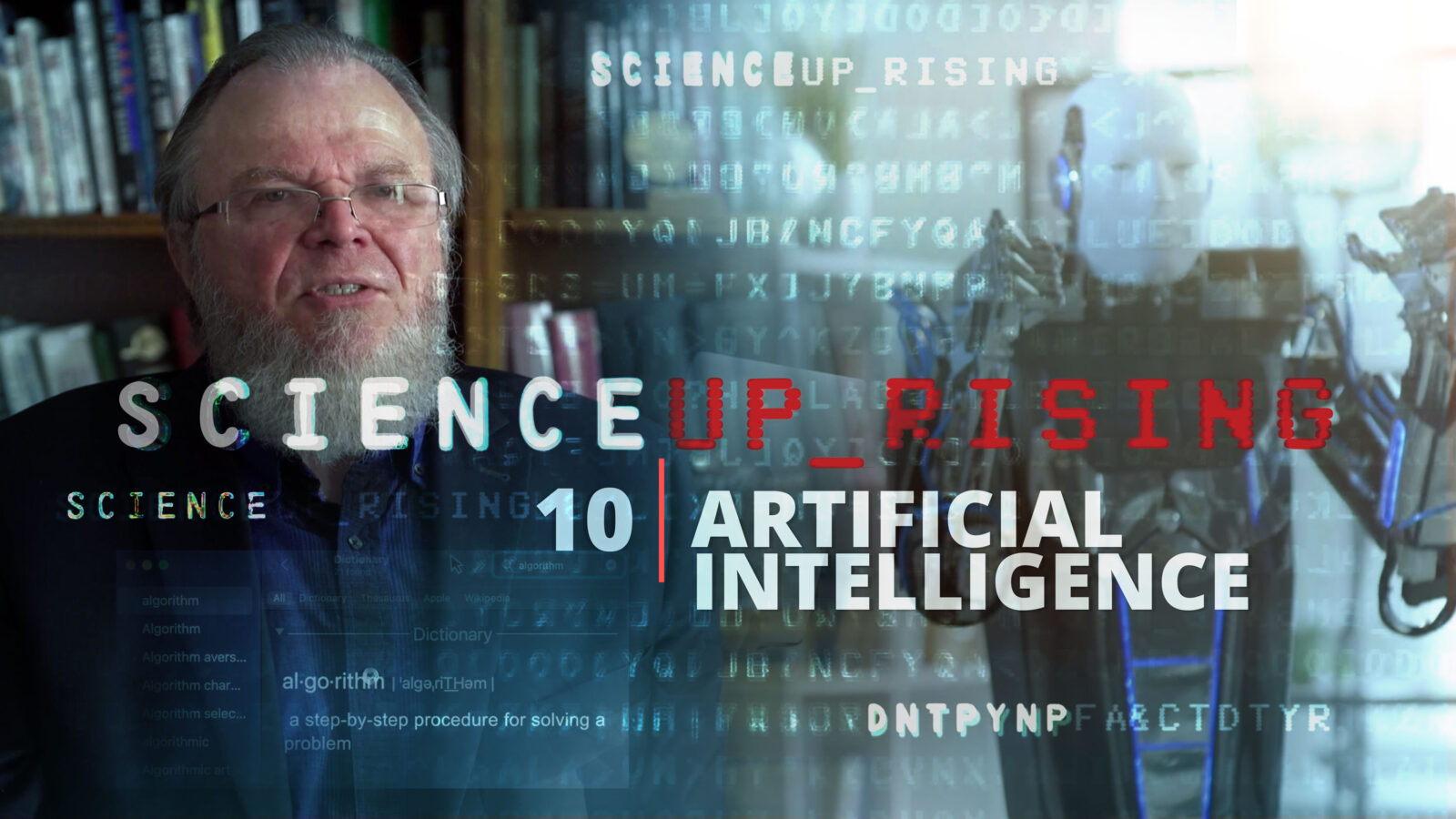
Science Uprising 10: Artificial Intelligence

Are you going to be replaced by a machine? Could a robot really be curious? Or experience love? Could a computer plot evil? Some really smart people think machines will achieve not just human but super human consciousness. Oxford professor of mathematics John Lennox and Baylor University computer engineer Robert J. Marks disagree. Read More ›
robert-j-marks-title-screen-1

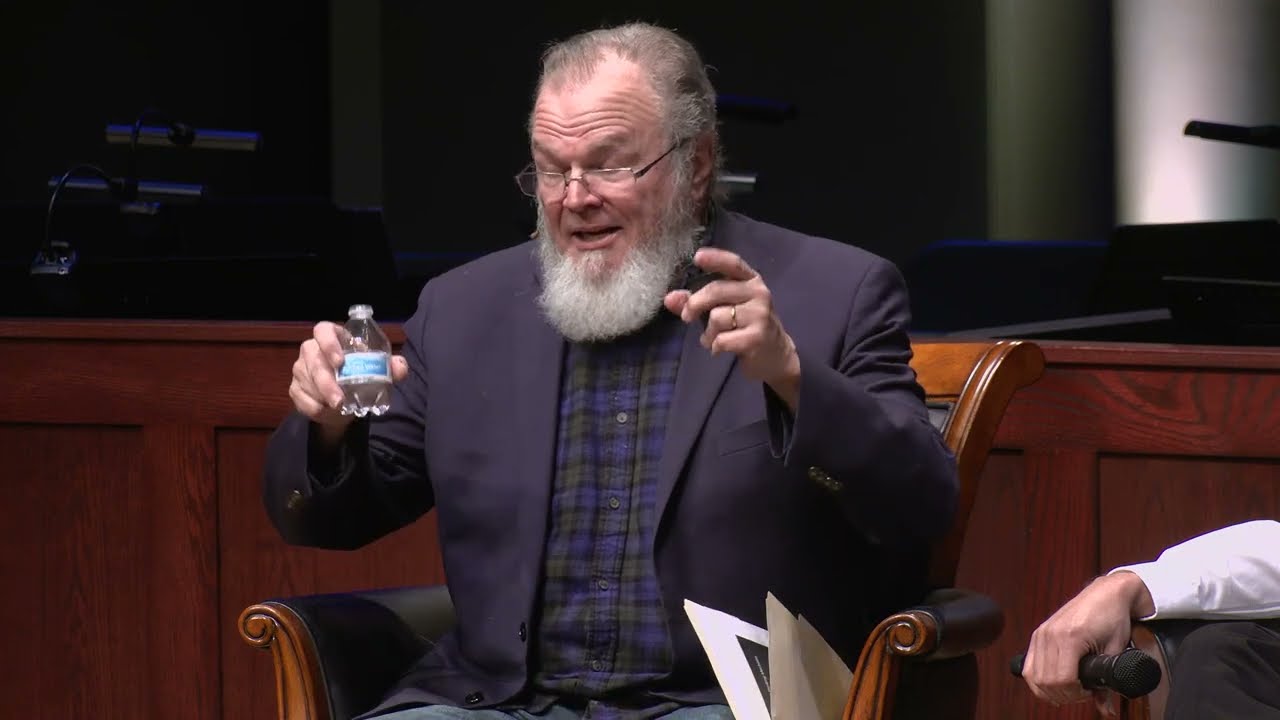
Mind Matters Host Robert J. Marks Answers Questions About The “AI Apocalypse”

Dr. Robert J. Marks II answers audience questions about his lecture, “AI Apocalypse: Will Thinking Machines Replace Humans?” This Q and A was presented at the 2022 Dallas Conference on Science and Faith in January 2022. Read More ›
dcosaf-2022-title-screen-bob-marks

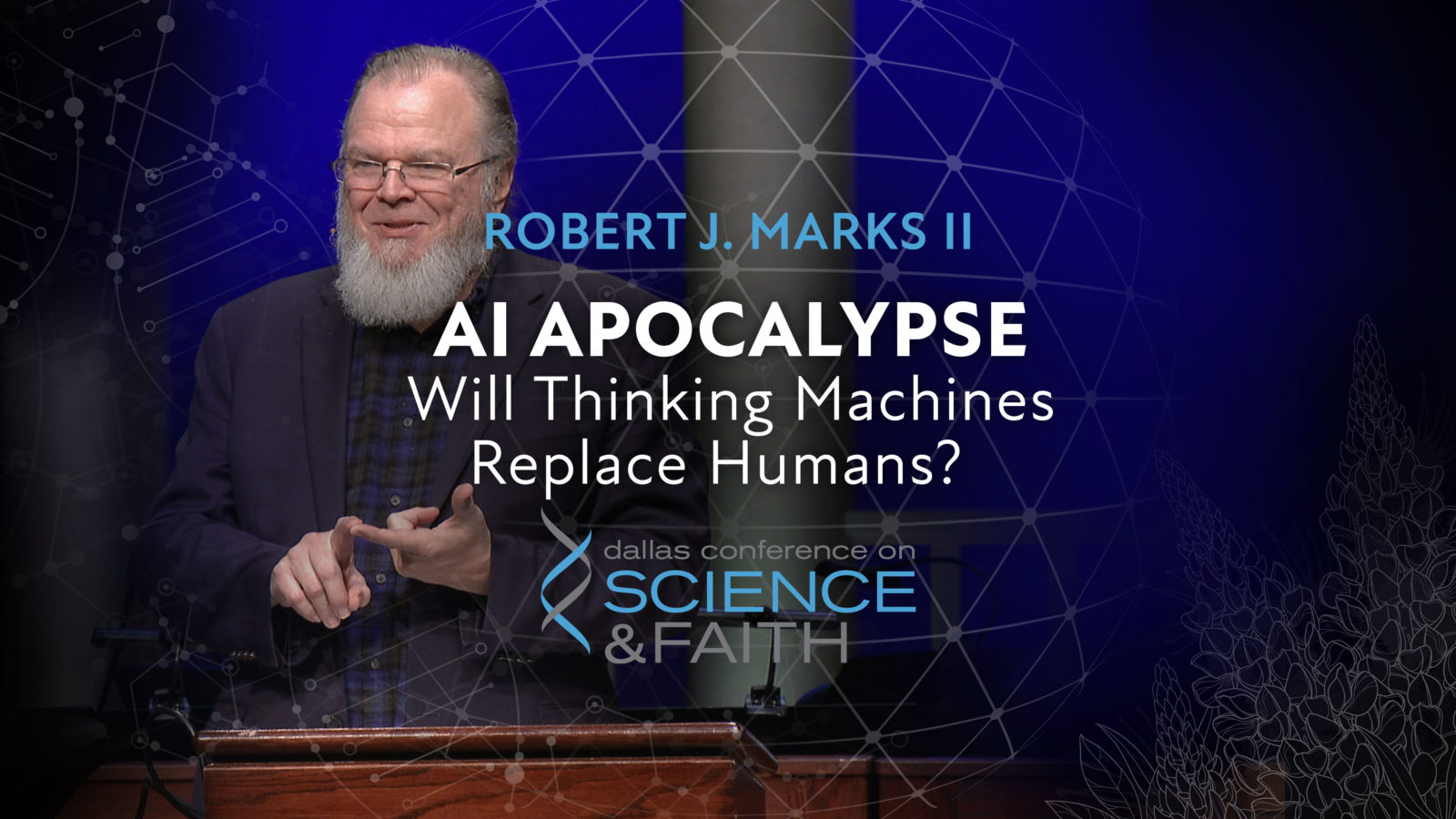
AI Apocalypse

Computer engineer Robert J. Marks talks about how artificial intelligence (AI) has influenced our society as well as the hype which has surrounded AI in the last few years. This talk was presented at the 2022 Dallas Conference on Science and Faith in January 2022. Marks is author of the book Non-Computable You: What You Do that Artificial Intelligence Never Read More ›
ai-machine-title-screen

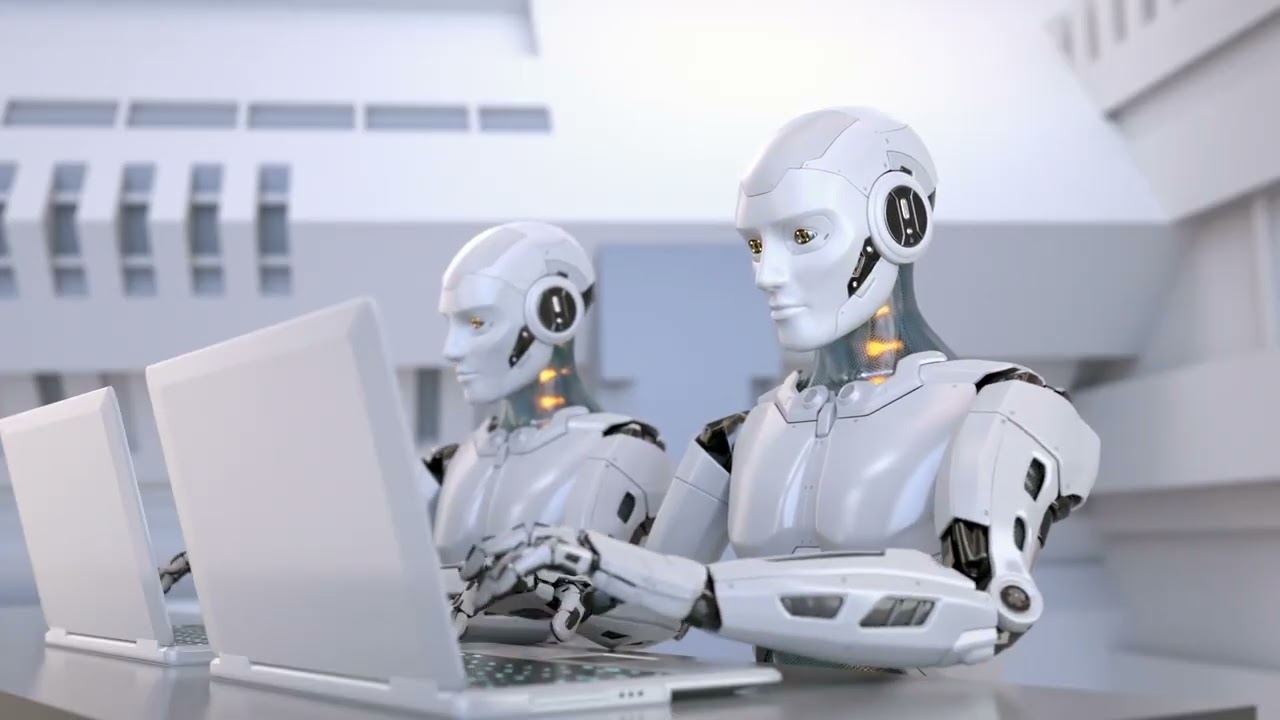
Non-Computable You (One Minute Trailer)
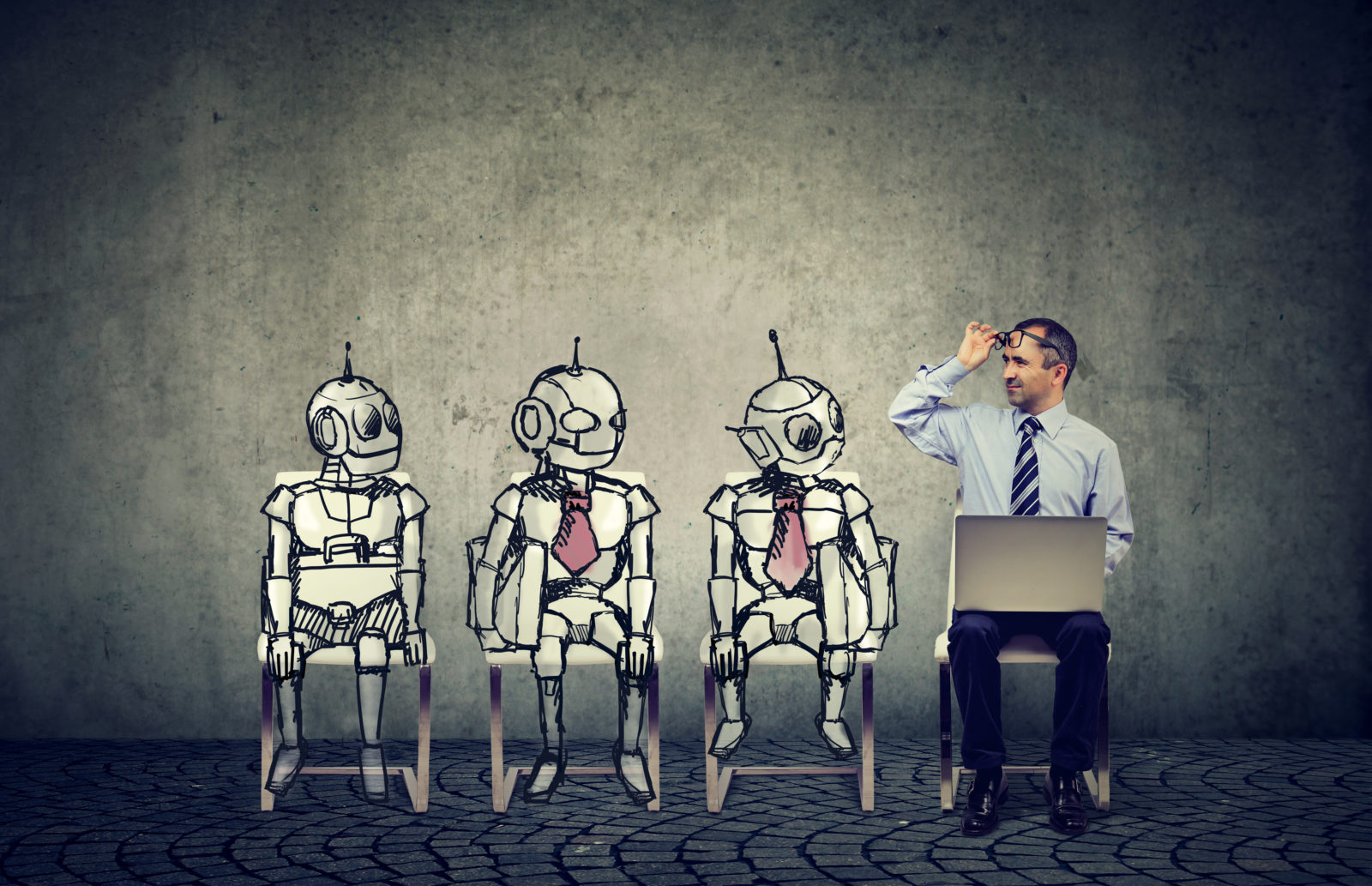
Will machines someday replace attorneys, physicians, computer programmers, and world leaders? What about composers, painters, and novelists? Will tomorrow’s supercomputers duplicate and exceed humans? Are we just wetware, natural computers doomed to obsolescence by tomorrow’s ultra-powerful artificial intelligence? In Non-Computable You: What You Do That Artificial Intelligence Never Will, Robert J. Marks II answers these and other fascinating questions with his trademark blend of whimsy and expertise. Read More ›
human-vs-artificial-intelligence-concept-stockpack-adobe-stock
Human vs artificial intelligence concept.
Image Credit: pathdoc - Adobe Stock

AI Will Overtake Humans, If We Let It
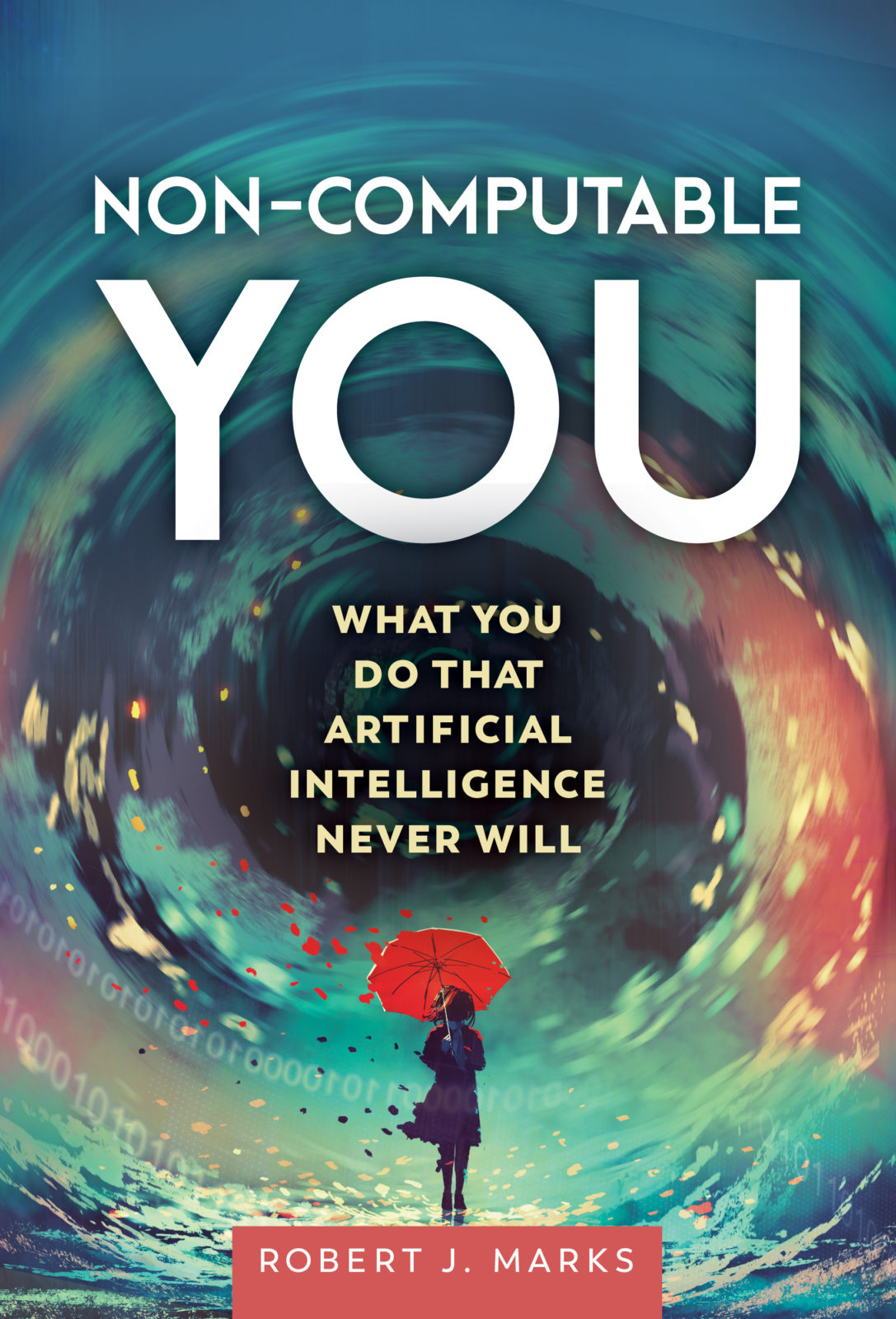
We determine our future relationship with artificial intelligence. Either we continue to safeguard human thinking while using AI to enhance human capability, or we buy into the materialist superstition that AI can give us the utopian freedom we deserve and jump into our high-tech armchairs. Read More ›
DISCO_220224_AIcan'tBookCover_v13

Non-Computable You

Will machines someday replace attorneys, physicians, computer programmers, and world leaders? What about composers, painters, and novelists? Will tomorrow’s supercomputers duplicate and exceed humans? Are we just wetware, natural computers doomed to obsolescence by tomorrow’s ultra-powerful artificial intelligence? In Non-Computable You: What You Do That Artificial Intelligence Never Will, Robert J. Marks II answers these and other fascinating questions with Read More ›
abstract-3d-wireframe-neural-cells-and-network-stockpack-adobe-stock
Abstract 3D wireframe neural cells and network
Image Credit: komjomo - Adobe Stock

The National Science Foundation and Advancement in Artificial Intelligence
Early in his career, IEEE fellow and retired National Science Foundation program director Paul Werbos developed the neural network training algorithm known as error backpropagation, which has been foundational to the vast majority of today's advances in artificial intelligence. Read More ›
swimming sea turtle
Swimming sea turtle in the ocean, photo taken under water at the Great Barrier Reef, Cairns, Queensland Australia
Image Credit: Olivia Zhou - Adobe Stock

Hank Hanegraaff Interviews Animal Algorithms Author Eric Cassell, Pt. 1
On this ID the Future radio host Hank Hanegraaff interviews Animal Algorithms author Eric Cassell about insects and other small-brained animals with innate behaviors of astonishing sophistication — desert ants, leafcutter ants, honey bees, spiders, monarch butterflies, and many more. Read More ›
InHuman Zoos

The Dangers of Totalitarian Science, Pt. 2

On this ID the Future from the vault, we hear part two of a panel discussion on “The Danger of Totalitarian Science,” held at the July 2018 FreedomFest in Las Vegas. Read More ›