

Can an Algorithm Be Racist?

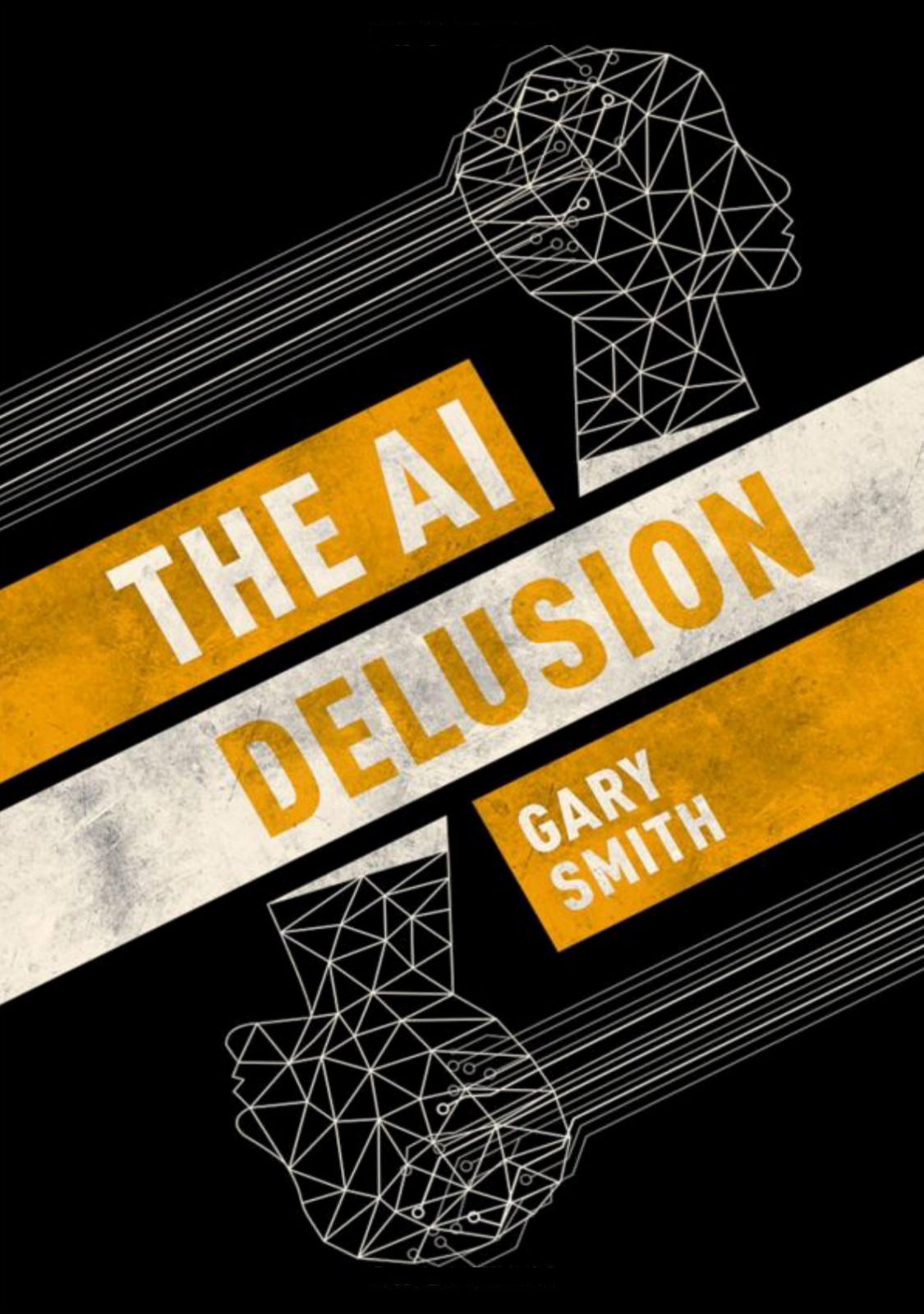
The AI Delusion
We live in an incredible period in history. The Computer Revolution may be even more life-changing than the Industrial Revolution. We can do things with computers that could never be done before, and computers can do things for us that could never be done before. But our love of computers should not cloud our thinking about their limitations. We are Read More ›

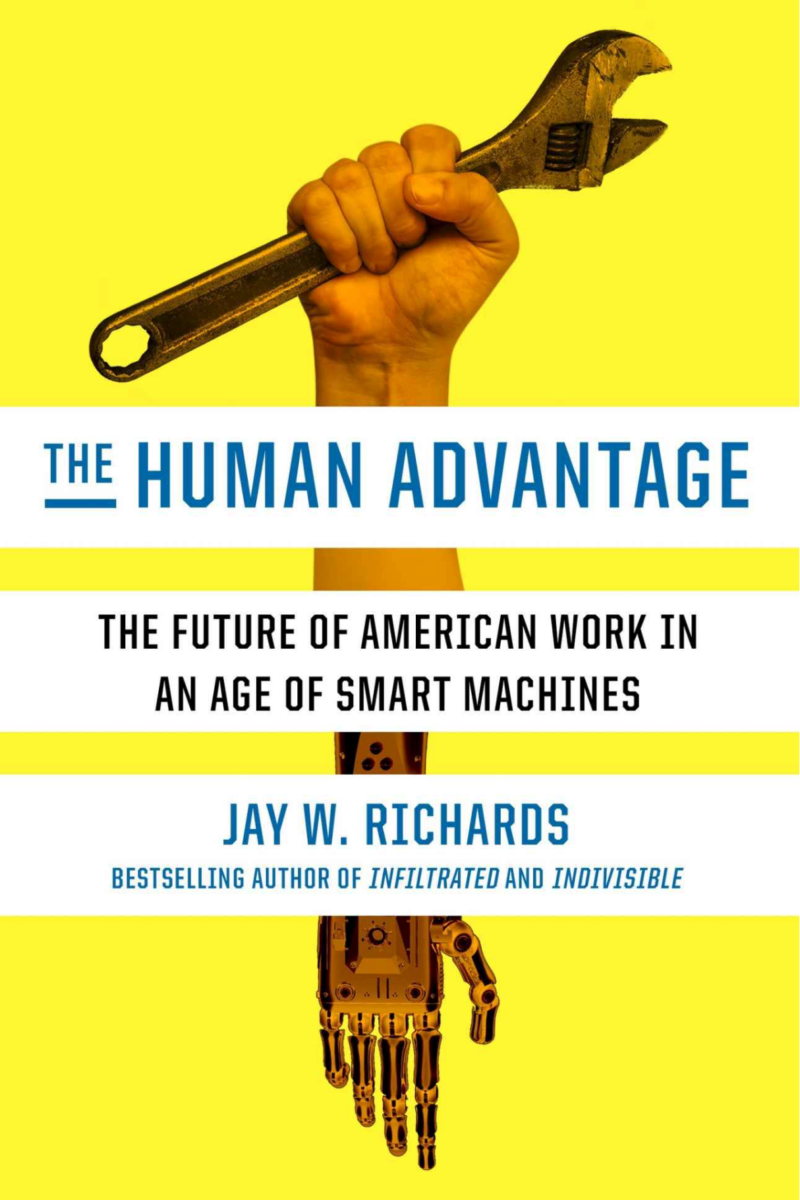
The Human Advantage
Bestselling author and economist Jay W. Richards makes the definitive case for how the free market and individual responsibility can save the American Dream in an age of automation and mass disruption. For two and a half centuries, America has been held together by the belief that if you work hard and conduct yourself responsibly in this country, you will be Read More ›

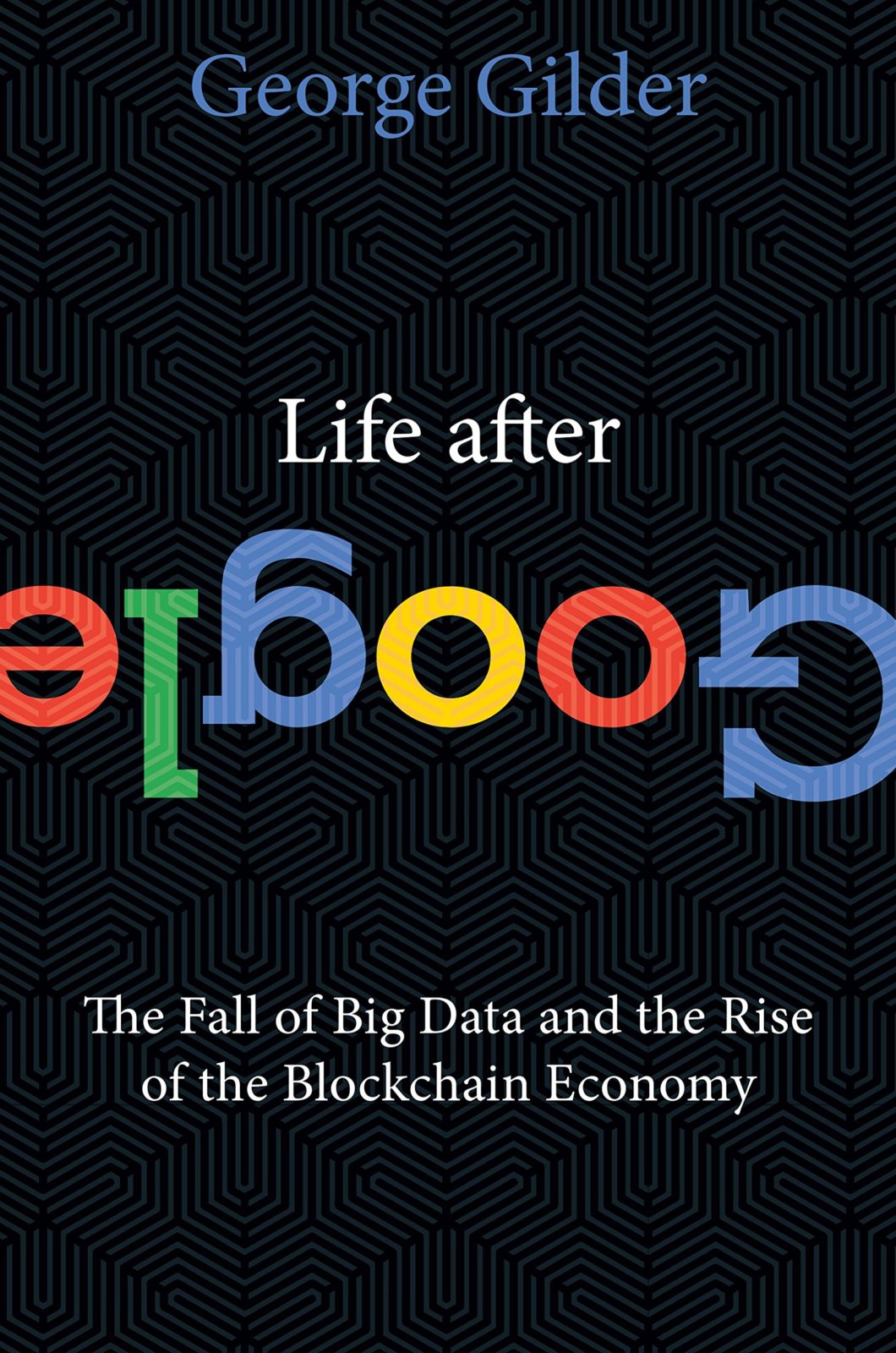
Life After Google
The Age of Google, built on big data and machine intelligence, has been an awesome era. But it’s coming to an end. In Life after Google, George Gilder — the peerless visionary of technology and culture — explains why Silicon Valley is suffering a nervous breakdown and what to expect as the post-Google age dawns. Google’s astonishing ability to “search and sort” Read More ›

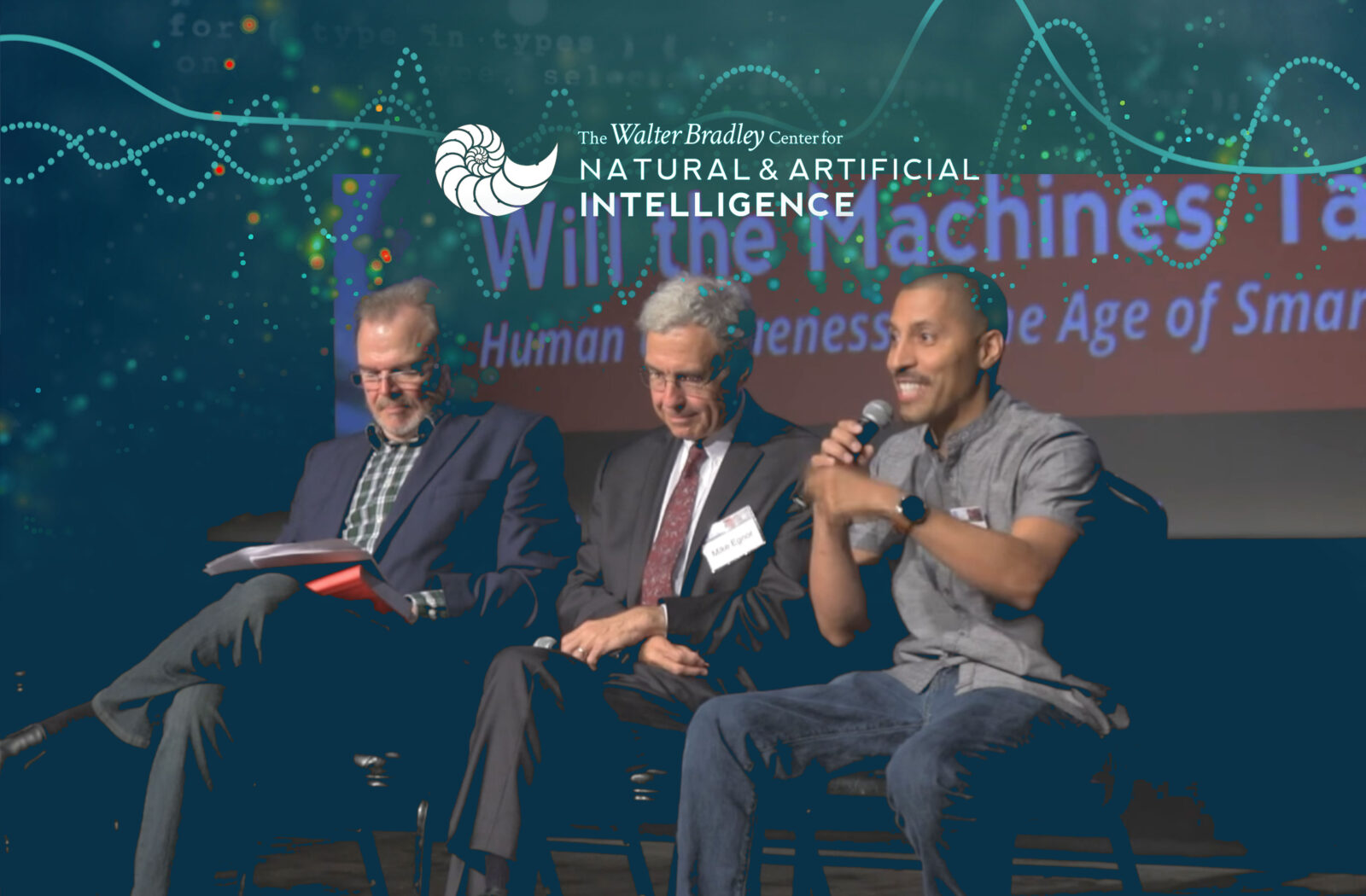
Will the Machines Take Over?
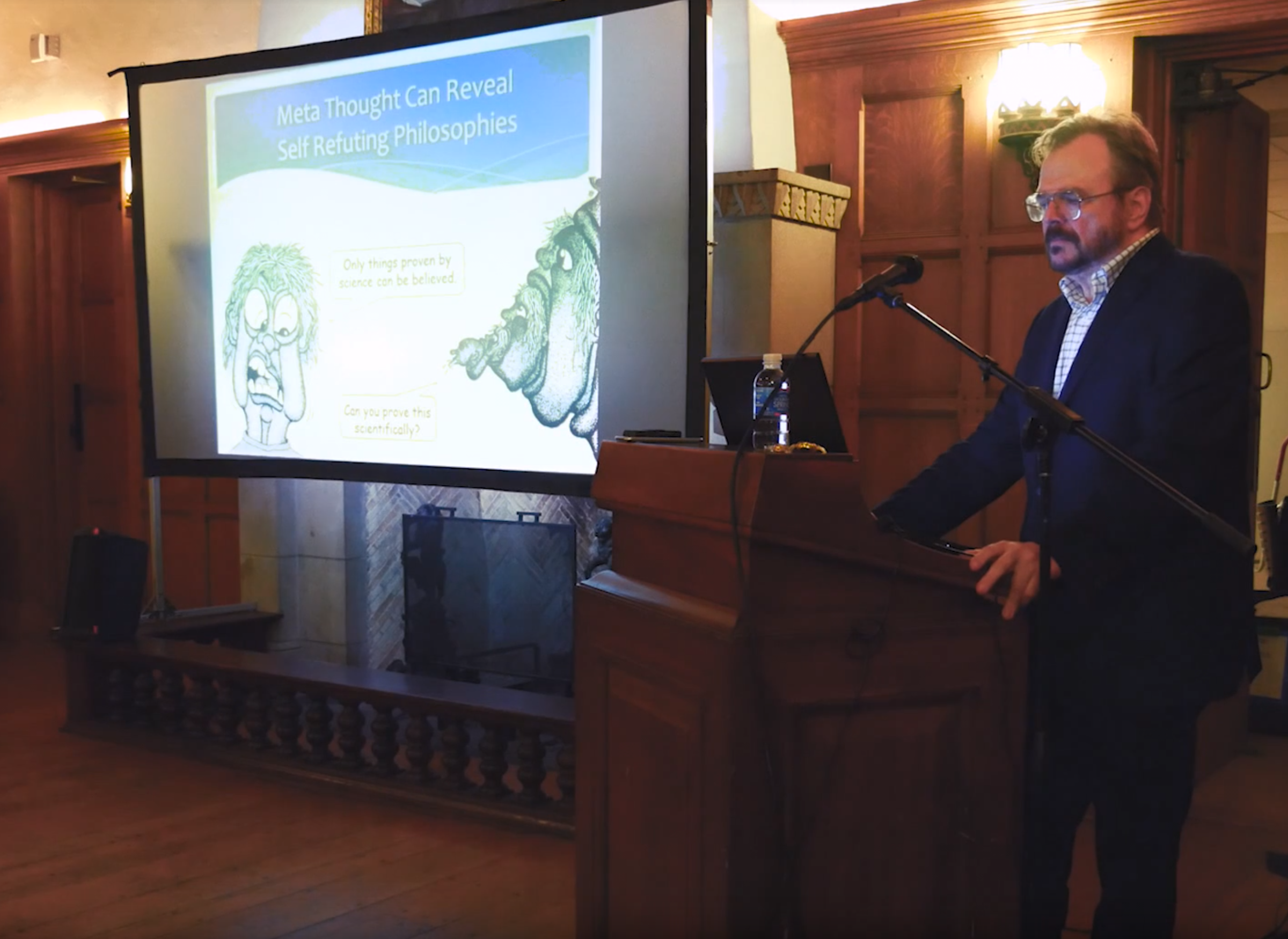
(Note: Suboptimal audio resolves after the first minute.) “Will the Machines Take Over? Human Uniqueness in the Age of Smart Machines” an event celebrating the launch of Discovery Institute’s new Walter Bradley Center for Natural and Artificial Intelligence. Physicist Stephen Hawking warned humanity that “the development of artificial intelligence (AI) could spell the end of the human race… Humans, who are Read More ›

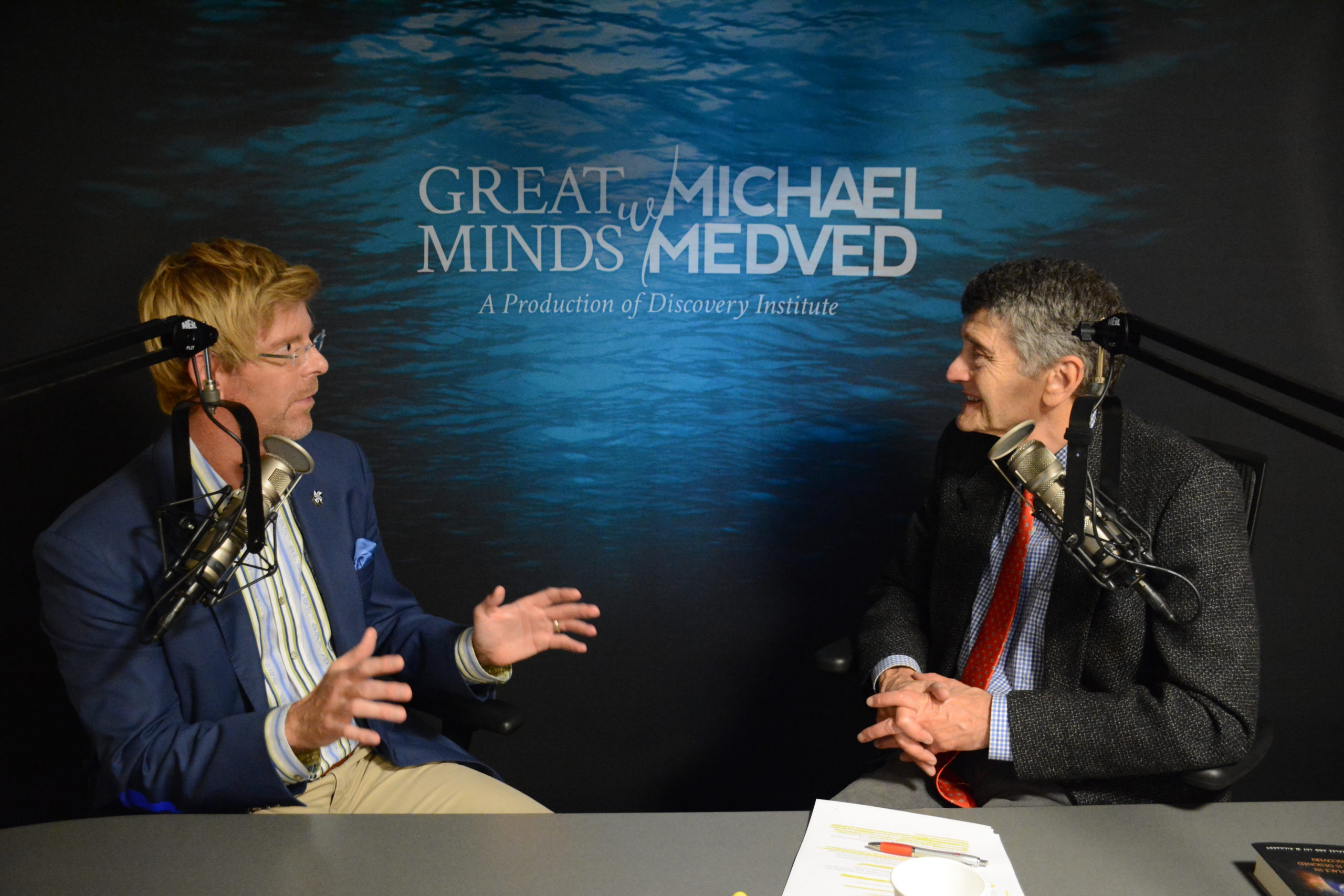
Human Computers and Robot Sex
There are some definite “Stop the world, I want to get off” moments in the new Great Minds with Michael Medved podcast from Discovery Institute. Michael talks with economist Jay Richards about the future of “smart machines,” including sex robots. Dr. Richards, author of the new book The Human Advantage: The Future of American Work in an Age of Smart Read More ›

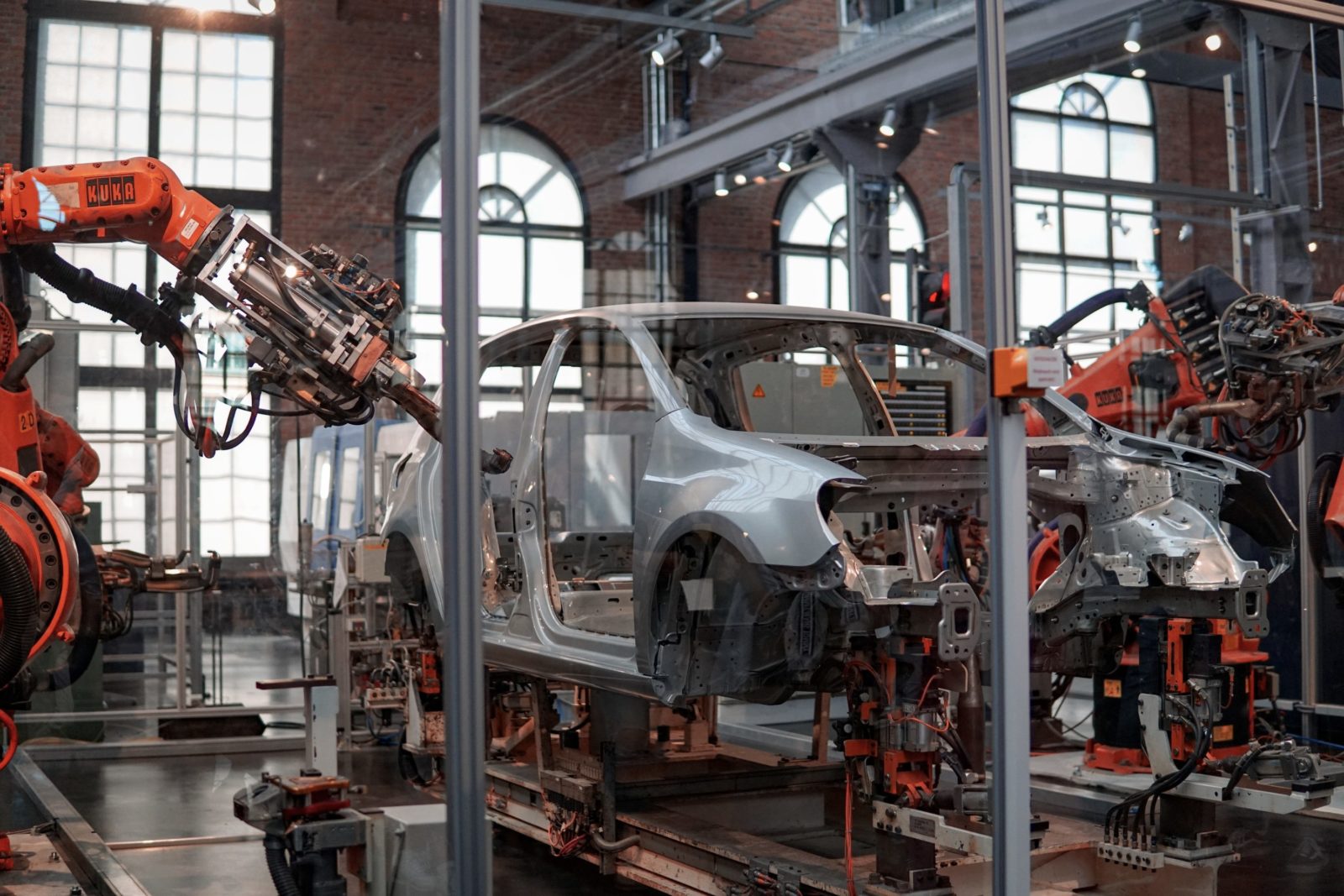
Will Robots Really Create an Employment “Death Spiral”?
According to a new International Monetary Fund research paper, the answer to the above question is yes. As one story on the IMF report put it, “The future of work run by robots appears to be a dystopian march to rising inequality, falling wages and higher unemployment.” This is just the latest in a long line of predictions that artificial intelligence and automation will soon create massive “technological unemployment.”
I get it. Doomsday predictions gain shares on Facebook and Twitter. But these apocalyptic fears defy the lessons of both history and economics.
Read More ›
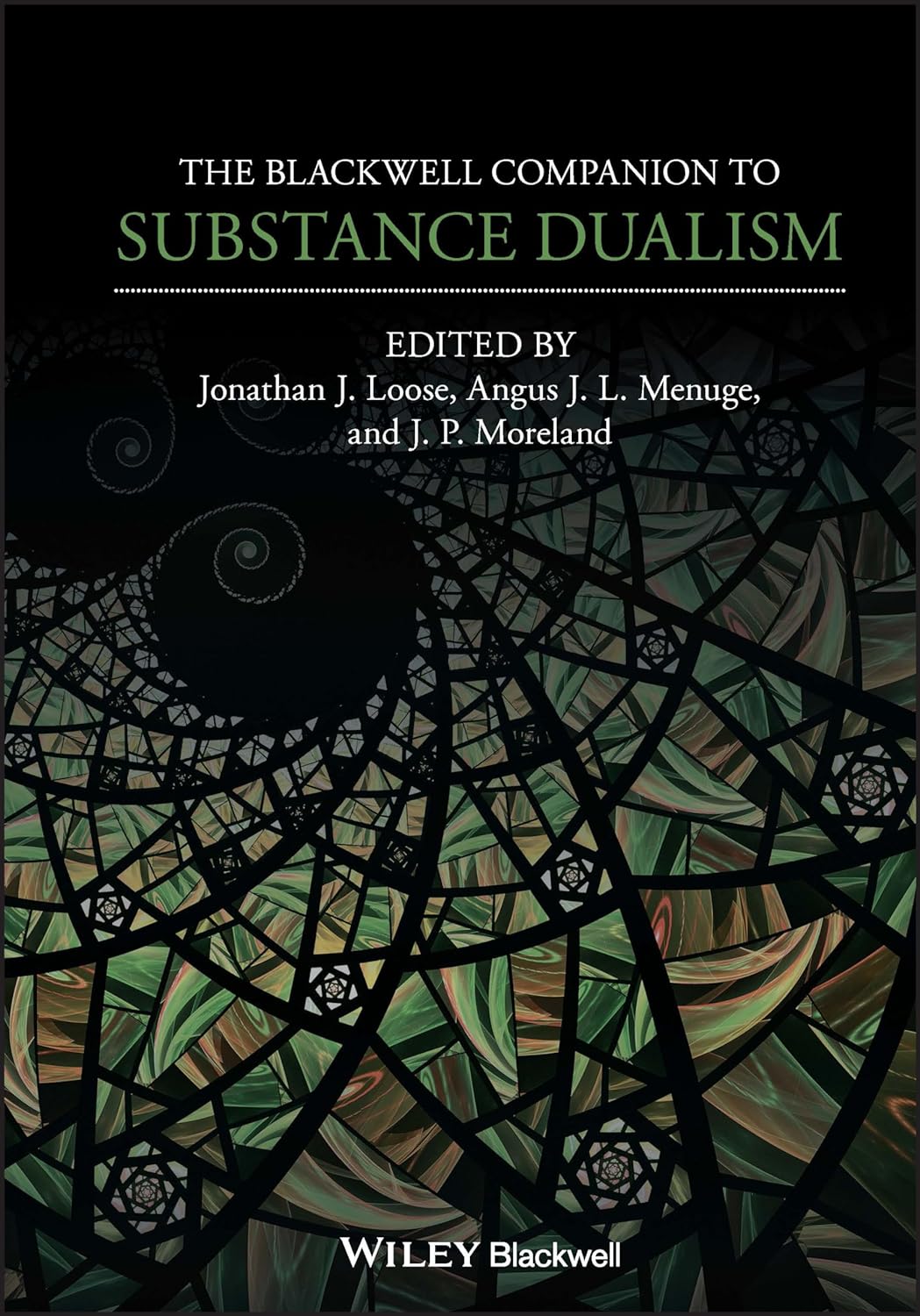
The Blackwell Companion to Substance Dualism
A groundbreaking collection of contemporary essays from leading international scholars that provides a balanced and expert account of the resurgent debate about substance dualism and its physicalist alternatives. Substance dualism has for some time been dismissed as an archaic and defeated position in philosophy of mind, but in recent years, the topic has experienced a resurgence of scholarly interest and has Read More ›

Introduction to Evolutionary Informatics
Science has made great strides in modeling space, time, mass and energy. Yet little attention has been paid to the precise representation of the information ubiquitous in nature. Introduction to Evolutionary Informatics fuses results from complexity modeling and information theory that allow both meaning and design difficulty in nature to be measured in bits. Built on the foundation of a series of Read More ›

You Are Not Your Brain
A leading neuroplasticity researcher and the coauthor of the groundbreaking books Brain Lock and The Mind and the Brain, Jeffrey M. Schwartz has spent his career studying the human brain. He pioneered the first mindfulness-based treatment program for people suffering from OCD, teaching patients how to achieve long-term relief from their compulsions. Schwartz works with psychiatrist Rebecca Gladding to refine a program that Read More ›

The Spiritual Brain
Do religious experiences come from God, or are they merely the random firing of neurons in the brain? Drawing on his own research with Carmelite nuns, neuroscientist Mario Beauregard shows that genuine, life-changing spiritual events can be documented. He offers compelling evidence that religious experiences have a nonmaterial origin, making a convincing case for what many in scientific fields are Read More ›