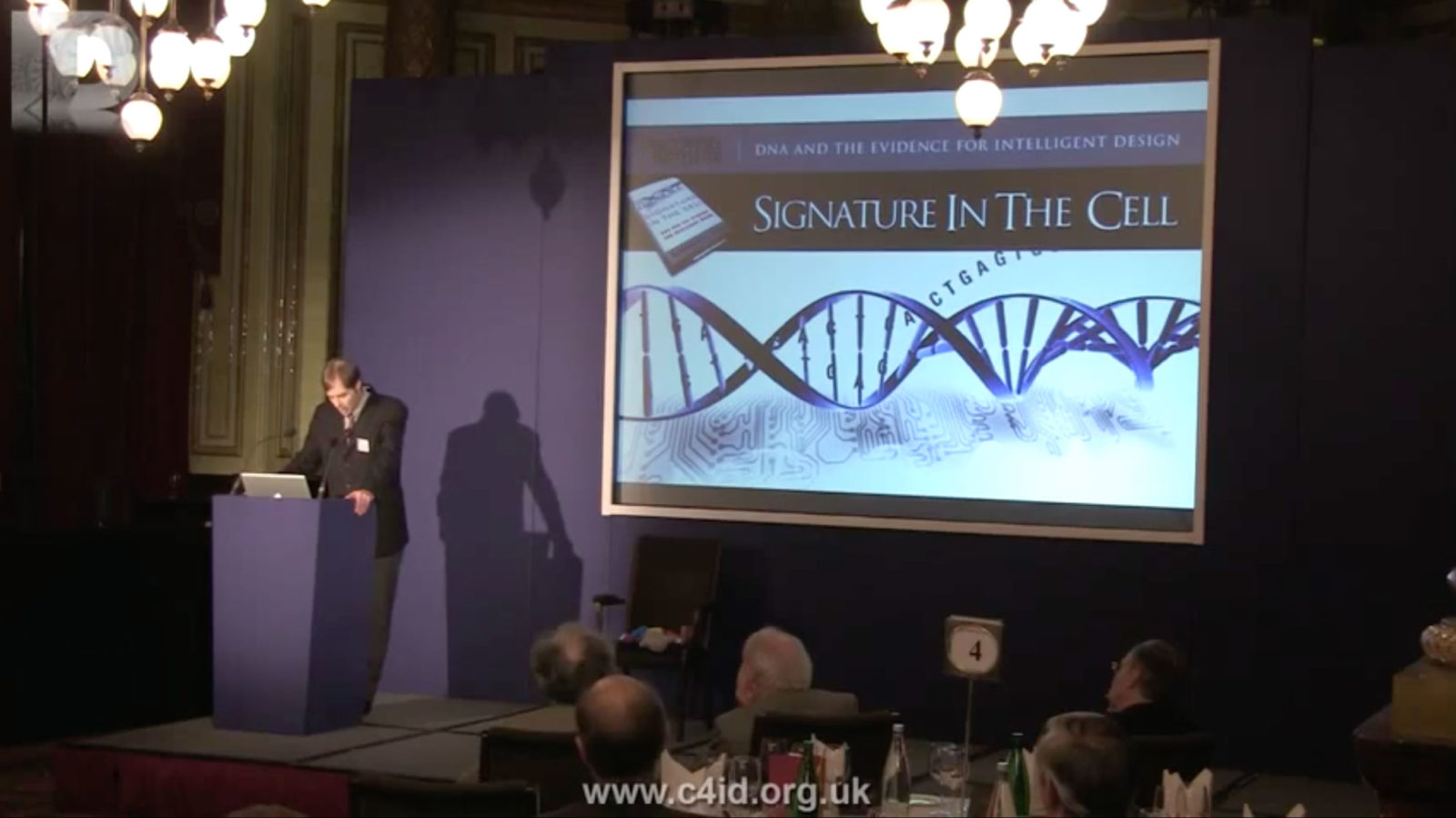
Is There a Signature in the Cell?
The Centre for Intelligent Design presents its Inaugural Lecture in London in November 2011. The lecture was delivered by Dr Stephen Meyer, Discovery Institute, Seattle and hosted by Lord McKay of Clashfern. The theme of the lecture is Dr Meyer’s recent book, Signature in the Cell (HarperOne, 2009). The lecture gives a clear exposition of the problem of the origin Read More ›

Sci-Fact or Sci-Fi?
George Orwell once quipped that “no event is ever correctly reported in a newspaper.” Orwell, who penned the classic dystopian novel Nineteen Eighty-Four, was undoubtedly aware that the best stories — especially science fiction — are those that contain just enough truth to have the air of plausibility. If one were to believe the news media, 2010 was a banner Read More ›

Gordon: Hawking Irrational Arguments
Stephen Hawking’s new book, The Grand Design, co-authored with Leonard Mlodinow, contends that God is not necessary to create the universe because the laws of physics can do it alone. The “new atheist” crowd will cheer this message, but their credulity is a matter more of fiery sentiment than of coolheaded logic. Mr. Hawking asserts that “as recent advances in Read More ›
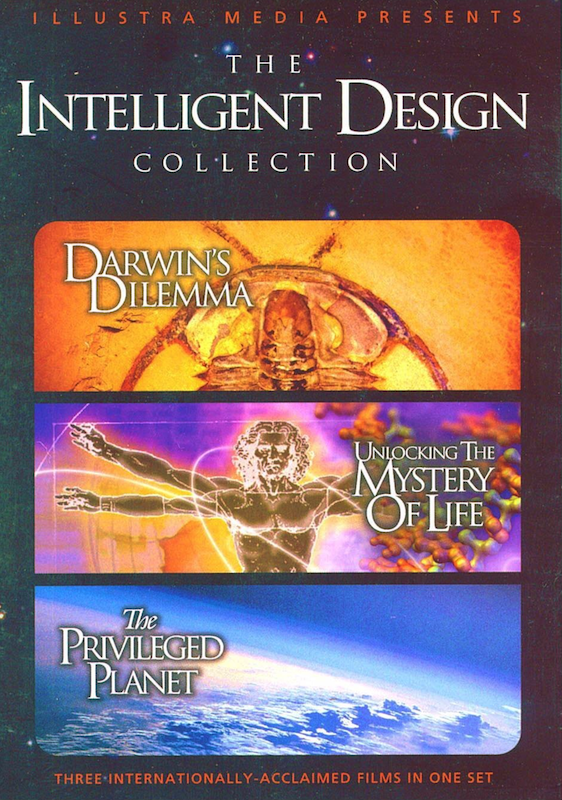
The Intelligent Design Collection
In 1999, Illustra Media began a project that would span more than nine years, four continents, and thousands of hours of research, writing, editing, computer animation, and location photography. The objective was to create a documentary trilogy that would present the scientific case for intelligent design. Unlocking the Mystery of Life (released in 2002) revealed compelling evidence for design at Read More ›
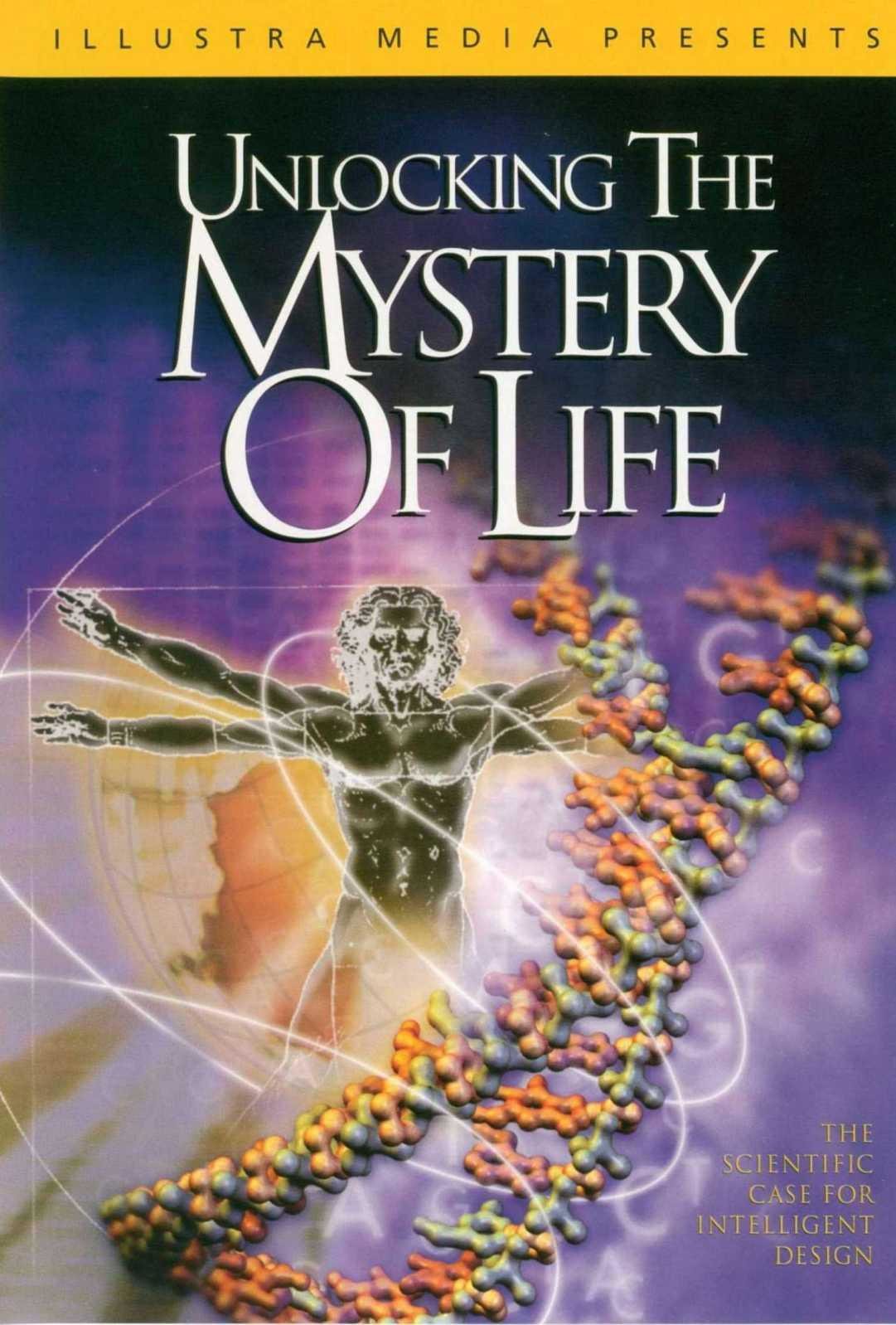
Unlocking the Mystery of Life
In 1859, Charles Darwin published On the Origin of Species. In it, he argued that all of life on earth was the product of undirected natural processes. Time, chance, and natural selection. Since Darwin, biologists have relied on such processes to account for the origin of living things. Yet today, this approach is being challenged as never before. “Unlocking the Read More ›
Dr. Stephen Meyer: What is the key thing that needs to be explained in origin of life research?
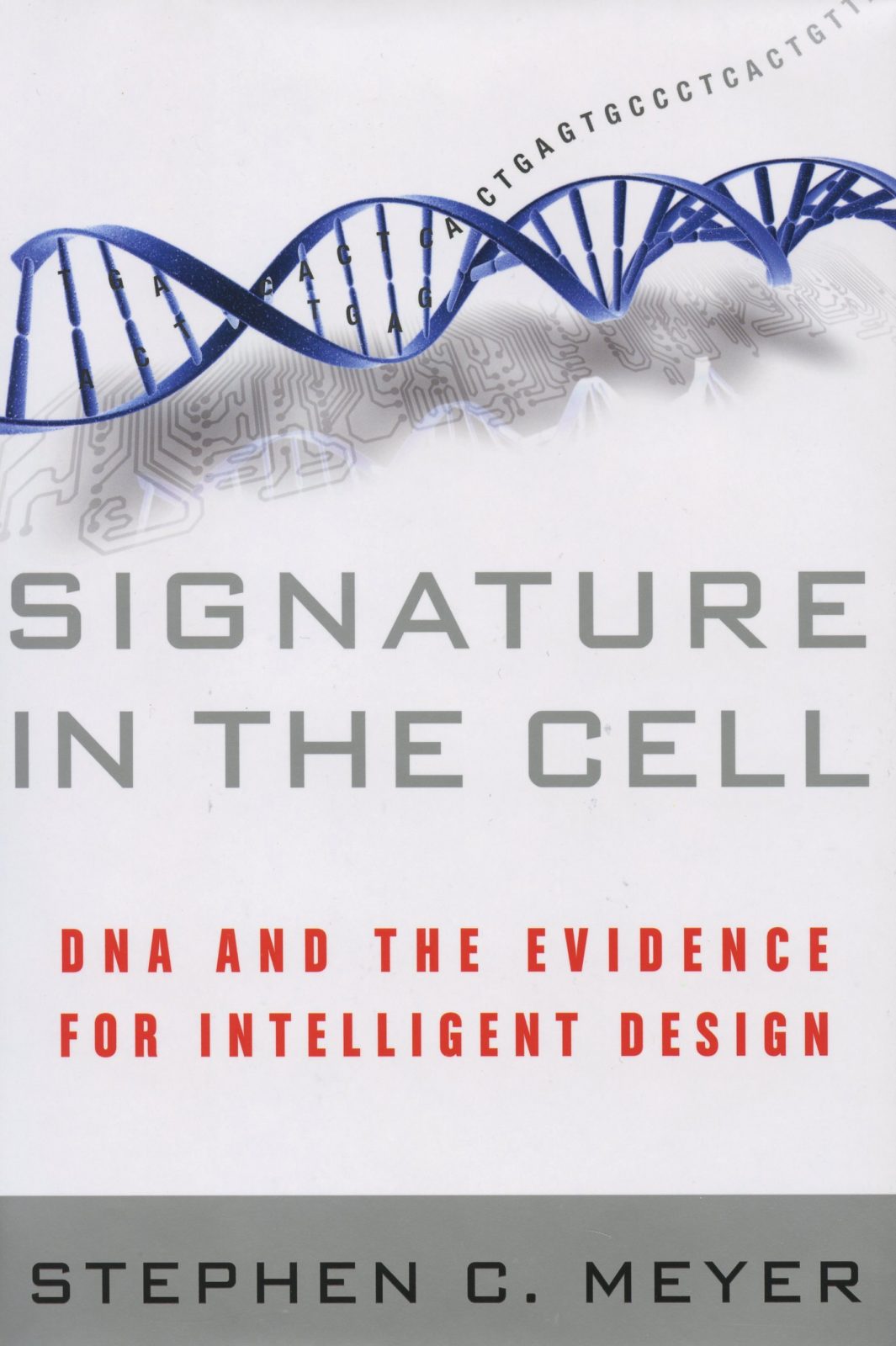
Dr. Meyer explains the importance of biological information in origin of life research, as he discussed in his book Signature in the Cell.
Signature in the Cell
One hundred fifty years ago, Charles Darwin revolutionized biology, but did he refute intelligent design (ID)? In Signature in the Cell, Stephen Meyer argues that he did not. Much confusion surrounds the theory of intelligent design. Frequently misrepresented by the media, politicians, and local school boards, intelligent design can be defended on purely scientific grounds in accordance with the same rigorous Read More ›
SITC – How Did Life Begin
Listen to the background on the debate on the origin of life. Read Dr. Stephen Meyer’s solution to the enigma in his book Signature in the Cell.
What Is the Science Behind Intelligent Design?
Intelligent design (ID) is a scientific theory that employs the methods commonly used by other historical sciences to conclude that certain features of the universe and of living things are best explained by an intelligent cause, not an undirected process such as natural selection. ID theorists argue that design can be inferred by studying the informational properties of natural objects Read More ›
The Facts about Intelligent Design
A 1982 poll found that only 9% of Americans believed that humans developed through purely natural evolutionary processes. Two years later, the U.S. National Academy of Sciences (NAS) issued its first Science and Creationism booklet, stating that science and religion occupy "separate and mutually exclusive realms." 1Public skepticism of evolution remained high — a 1993 poll found that only 11% of Americans believed that humans developed through purely natural evolutionary processes.
Read More ›