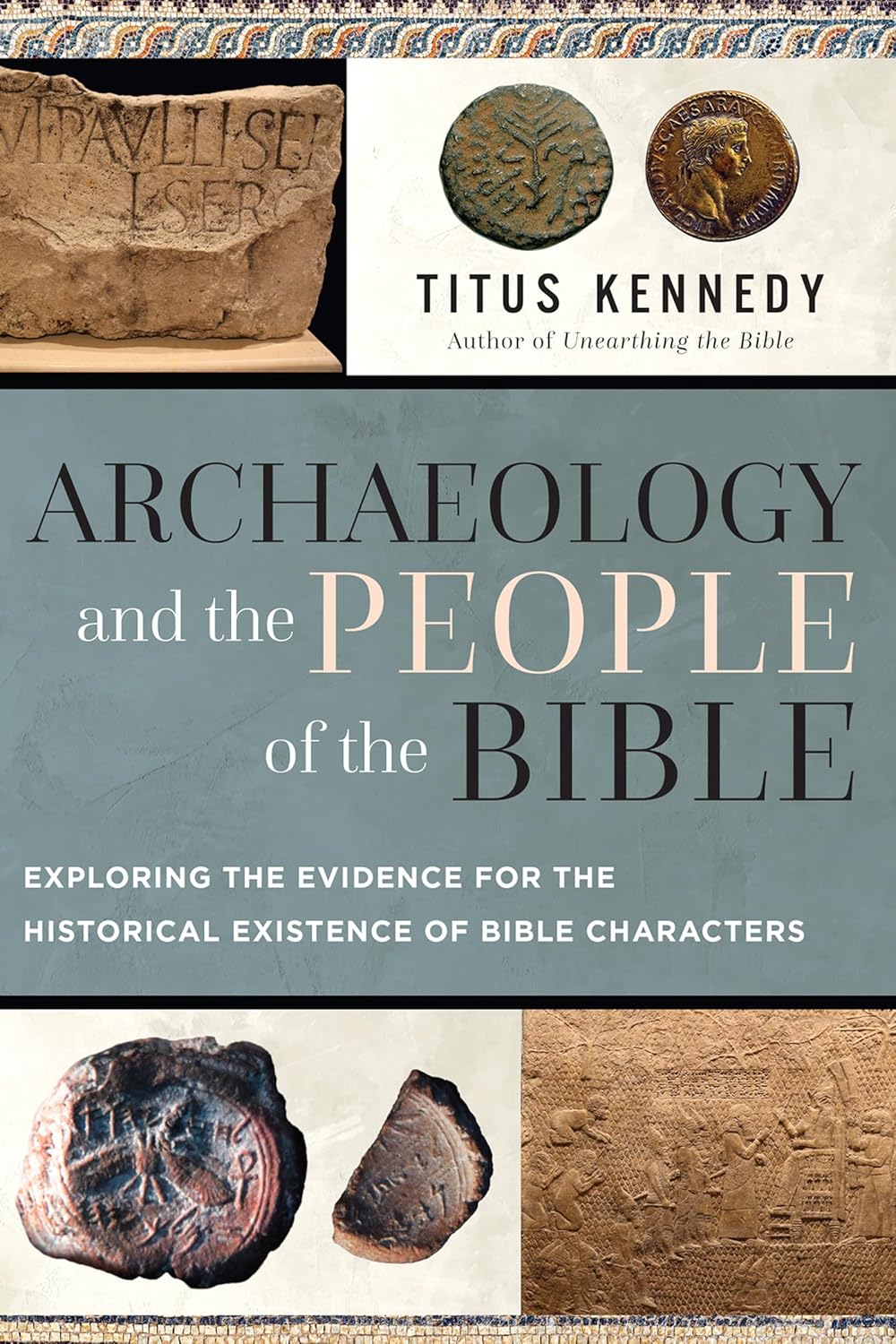
archaeology

Archaeology-People-of-the-Bible

Archaeology and the People of the Bible

Did the people named on the pages of the Bible really exist? Who were these kings, generals, priests, administrators, prophets, governors, and scribes? Archaeological discoveries continue to provide ancient attestation for those named in the Bible, showing the historical reality of their existence. Archaeology and the People of the Bible is a comprehensive and up-to-date resource on discoveries that demonstrate the Read More ›

bibile-historically-reliable-mcdiarmid-kennedy

Is the Bible Historically Reliable?

The bible was critical to the development of western conceptions of law, literature, medicine, science, and human rights. The people, places, and events recorded in it have been of the utmost importance to human society and culture over the last two millennia. But today, the Hebrew bible and Christian New Testament is under attack. It’s being disregarded as historically inaccurate, Read More ›

What Archaeology Reveals about the Historicity of the Exodus (2023 Dallas Conf. on Science & Faith)

What Archaeology Reveals about the Historicity of the Exodus

Archeologist Titus Kennedy and philosopher of science Stephen Meyer explore what the science of archeology reveal about the historicity of the exodus of Jews from Egypt. Is the exodus a myth? Or is there evidence it really occurred? This session took place at the 2023 Dallas Conference on Science and Faith sponsored by Discovery Institute. Check out Dr. Kennedy’s newest Read More ›

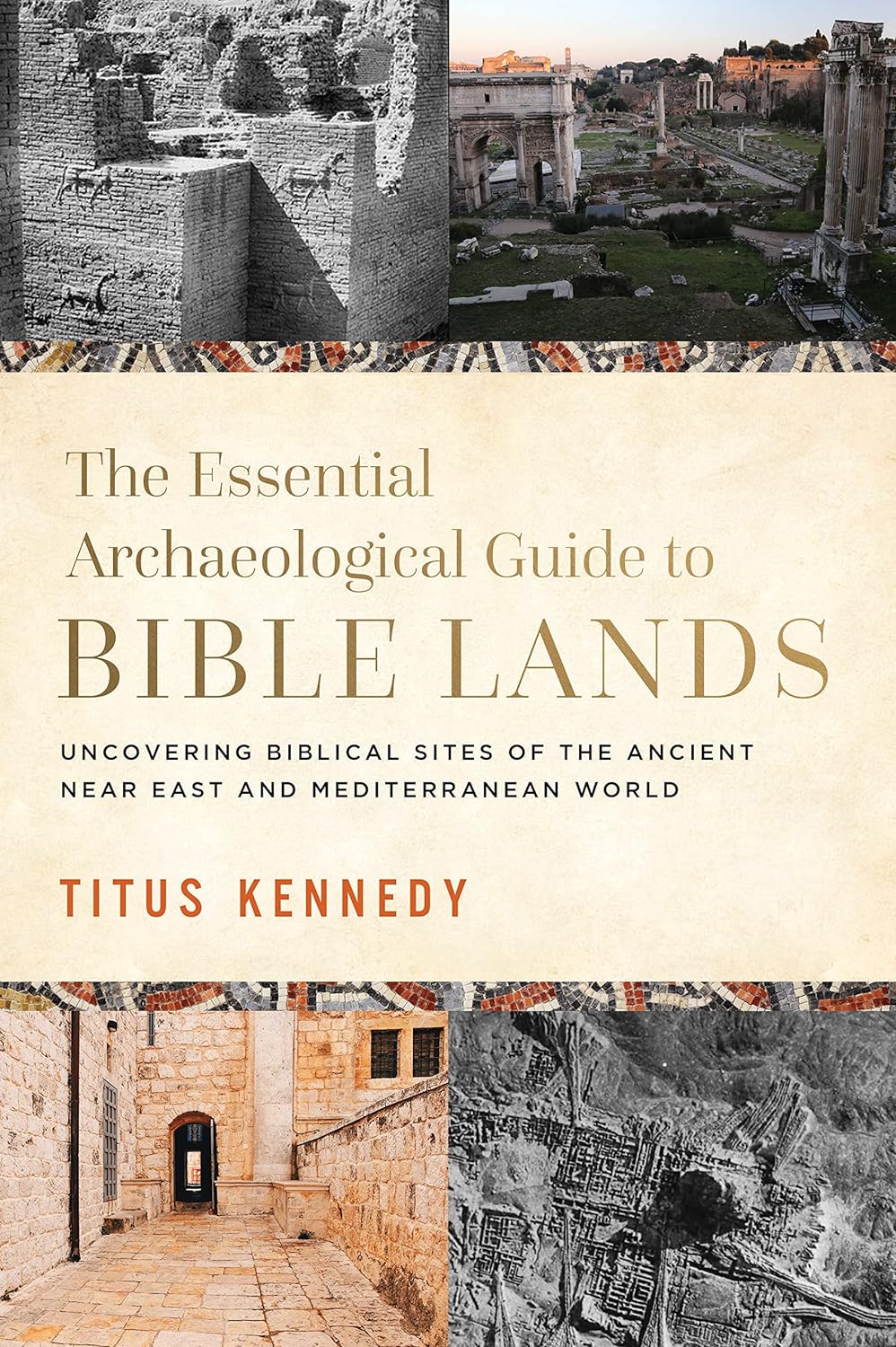
The Essential Archaeological Guide to Bible Lands

The Essential Archaeological Guide to Bible Lands

While the historical accuracy of the Bible has long been a topic of debate and has fallen under increased scrutiny in recent decades, new archaeological discoveries from an expanding host of ancient sites found in Bible lands continue to provide evidence pertinent to questions of reliability. The Essential Archaeological Guide to Bible Lands offers the most geographically extensive overview of archaeological sites from all of the regions relevant to the biblical narratives, with information from excavations and research both old and new. Read More ›
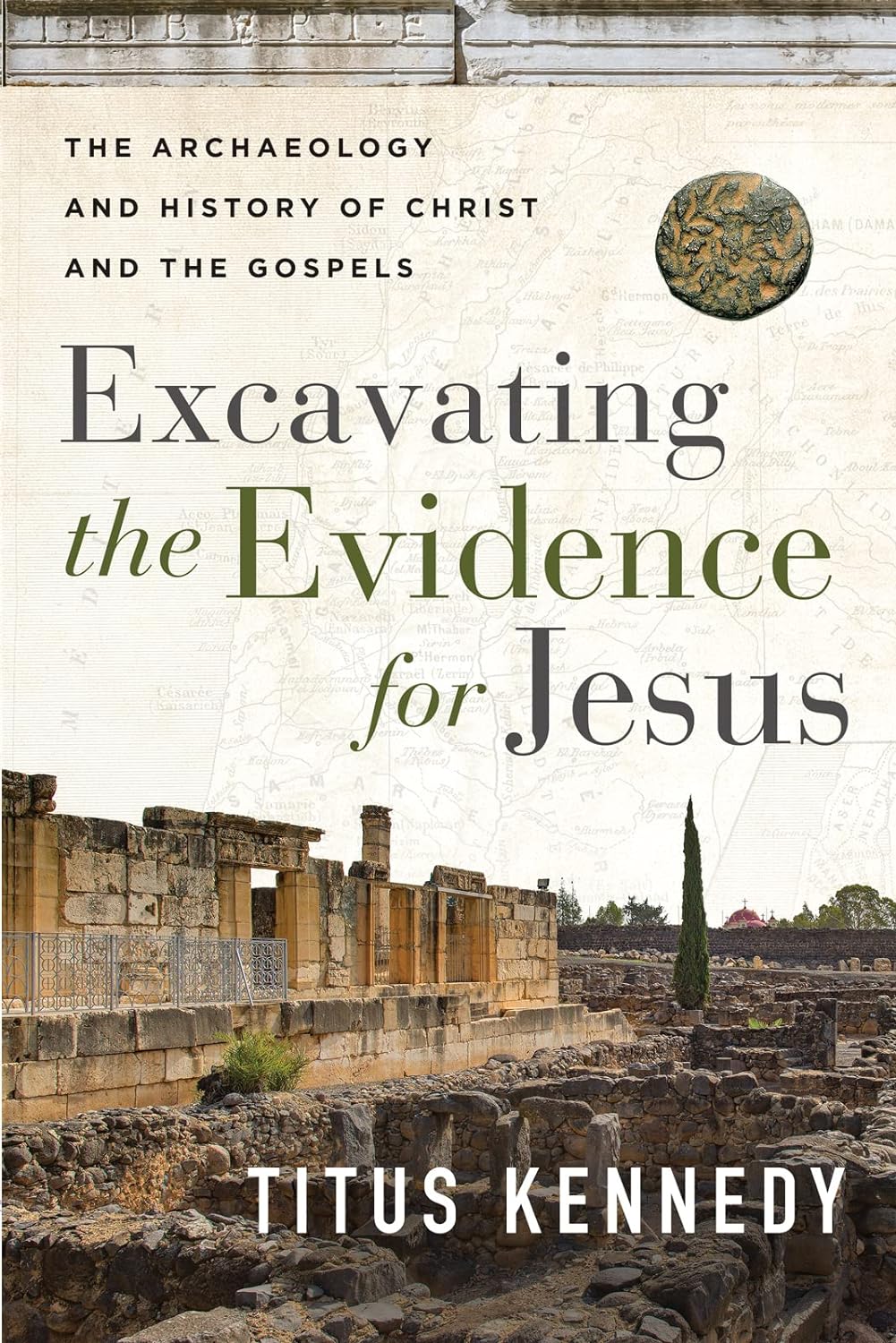
Excavating the Evidence for Jesus

Excavating the Evidence for Jesus

No other figure has impacted history like Jesus. Yet today, he’s often seen as a mythical character whose legend increased over time. So what does the historical and archaeological evidence say about Jesus? Archaeologist Dr. Titus Kennedy has investigated firsthand the discoveries connected to Jesus’ birth, ministry, crucifixion, and resurrection. He has visited and excavated where Jesus walked, and examined Read More ›

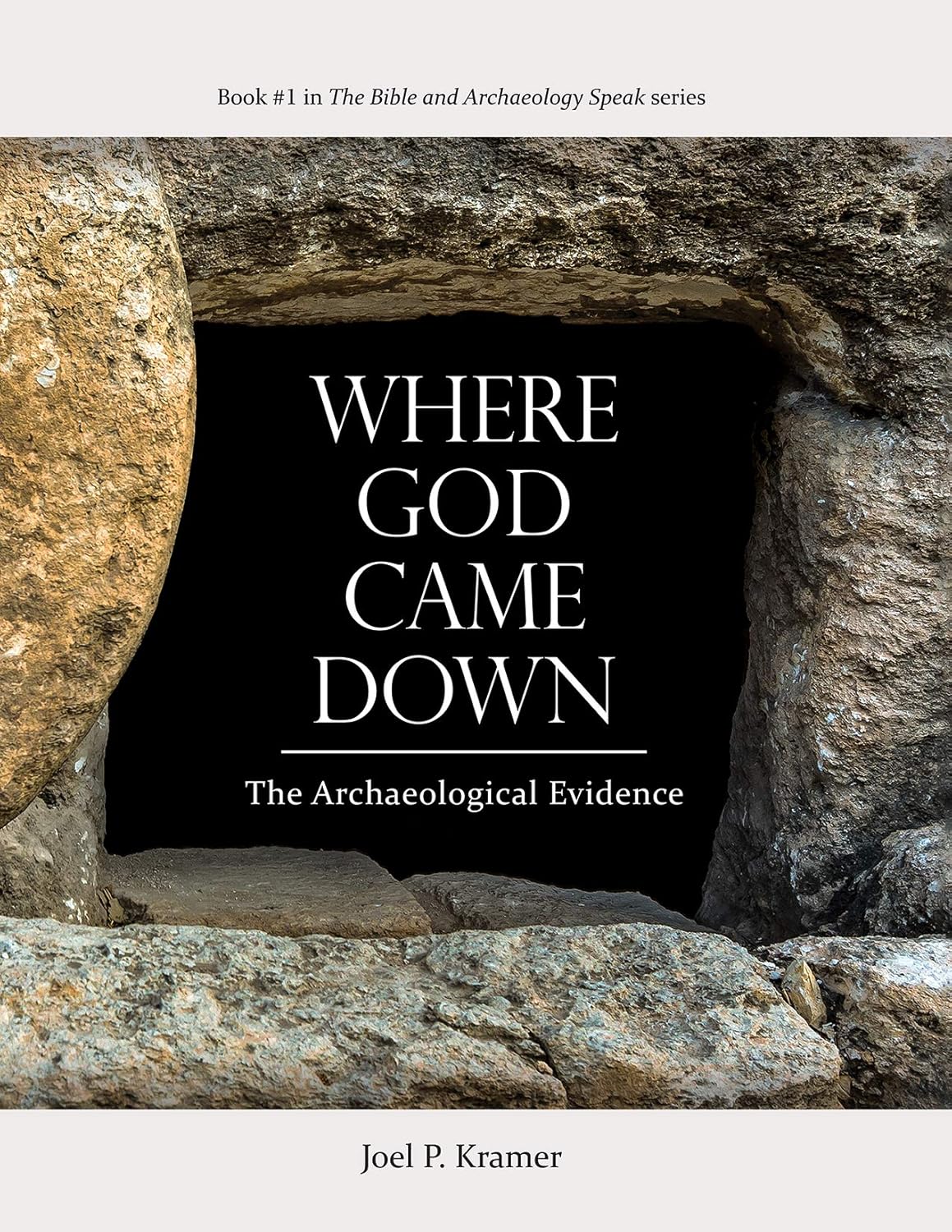
where-god-came-down-kramer

Where God Came Down

Using Scripture as his primary ancient text and interpretive tool, author Joel Kramer examines the archaeological record for ten locations recorded in the Bible. Incorporating an abundance of photos, maps, graphics and illustrations, Kramer expertly lays out the evidence and shows how archaeology speaks for the Bible, not against it. Read More ›
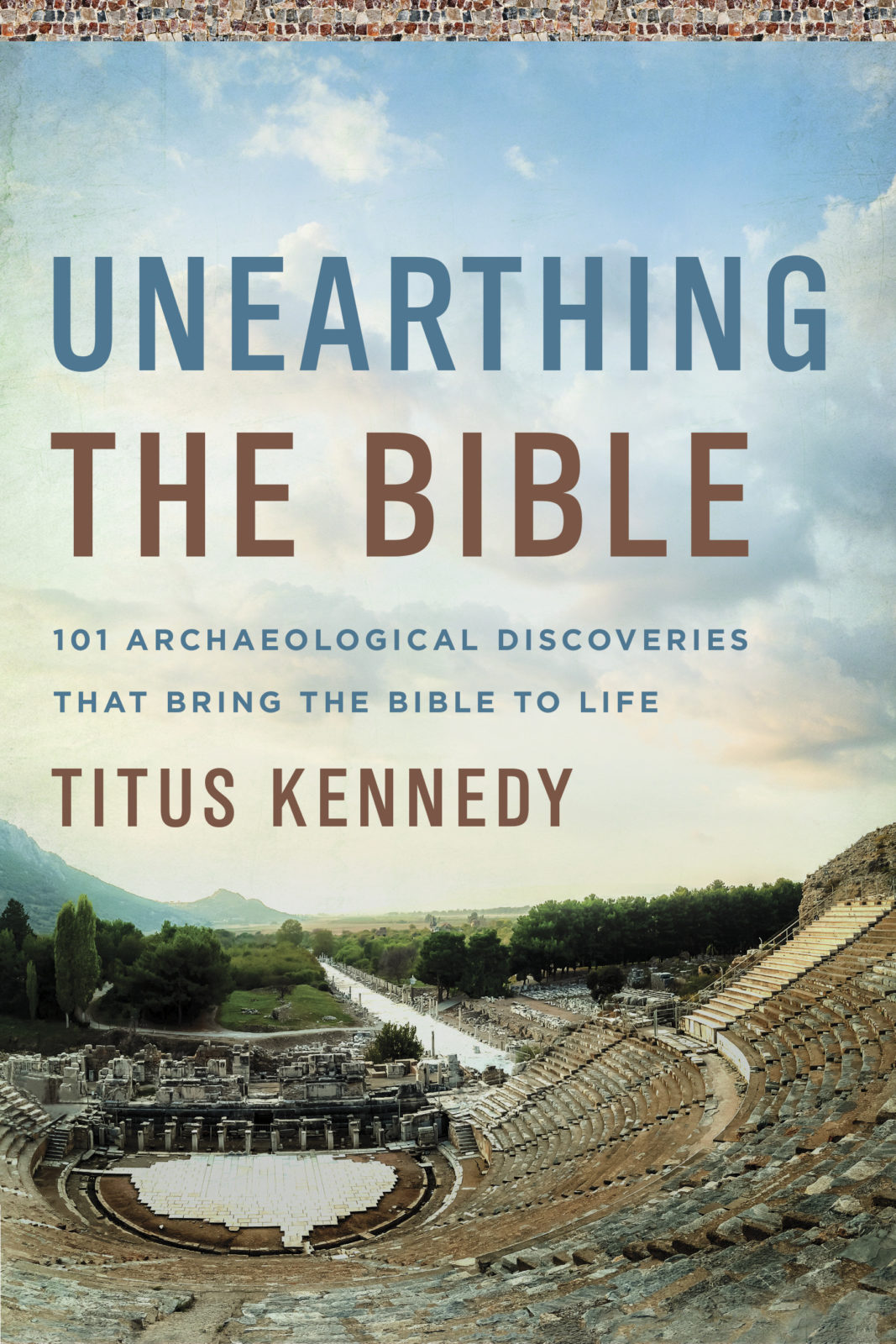
Unearthing The Bible

Unearthing the Bible

Unearthing the Bible: 101 Archaeological Discoveries that Bring the Bible to Life, from Dr. Titus M. Kennedy, is a visual guide to 101 objects that provide compelling evidence for the historical reliability of the bible from the dawn of civilization through the early church. Read More ›
message in bottle.jpg
Asking for assistance, optimism and survivor desperation to contact the world conceptual idea with a message in a glass bottle with a cork washing away on sandy beach with the ocean in the background
Image Credit: Victor Moussa - Adobe Stock

A Slightly Technical Introduction to Intelligent Design

Intelligent design — often called “ID” — is a scientific theory that holds that the emergence of some features of the universe and living things is best explained by an intelligent cause rather than an undirected process such as natural selection. ID theorists argue that design can be inferred by studying the informational properties of natural objects to determine if they bear the type of information that in our experience arises from an intelligent cause. Proponents of neo-Darwinian evolution contend that the information in life arose via purposeless, blind, and unguided processes. ID proponents argue that this information arose via purposeful, intelligently guided processes. Both claims are scientifically testable using the standard methods of science. But ID theorists say that when we use the scientific method to explore nature, the evidence points away from unguided material causes, and reveals intelligent design. Read More ›
both-can-fly-stockpack-adobe-stock.jpg
Both can fly
Image Credit: emmanuel.crova - Adobe Stock

An Introduction to Intelligent Design

Click here for a reproducible PDF of this article.PDF En Español Intelligent design — often called “ID” — is a scientific theory that holds that the emergence of some features of the universe and living things is best explained by an intelligent cause rather than an undirected process such as natural selection. ID theorists argue that design can be inferred Read More ›