Neil Thomas

Neil Thomas is a Reader Emeritus in the University of Durham, England and a longtime member of the British Rationalist Association. He studied Classical Studies and European Languages at the universities of Oxford, Munich and Cardiff before taking up his post in the German section of the School of European Languages and Literatures at Durham University in 1976. There his teaching involved a broad spectrum of specialisms including  Germanic philology, medieval literature, the literature and philosophy of the Enlightenment and modern German history and literature. He also taught modules on the propagandist use of the German language used both by the Nazis and by the functionaries of the old German Democratic Republic.

He published over 40 articles in a number of refereed journals and a half dozen single-authored books, the last of which were Reading the Nibelungenlied (1995), Diu Crone and the Medieval Arthurian Cycle (2002) and Wirnt von Gravenberg's 'Wigalois'. Intertextuality and Interpretation (2005). He also edited a number of volumes including Myth and its Legacy in European Literature (1996) and German Studies at the Millennium (1999). He was the British Brach President of the International Arthurian Society (2002-5) and remains a member of a number of learned societies.

Archives

Neil Thomas: “This Darwinism Business, It’s Rubbish, Isn’t It?”

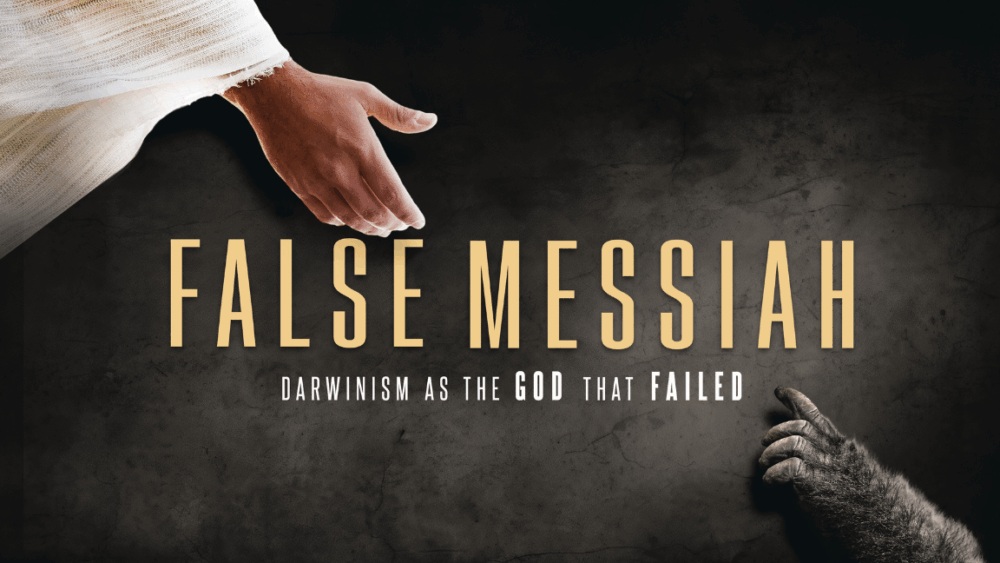
For decades, British professor and author Neil Thomas was a card-carrying Darwinist. It wasn't until after he retired from academia that he had the repose to think about things objectively. Then one day, in a scientific flash of inspiration, he came to the conclusion that the standard Darwinian story was "rubbish." In the second half of a conversation with Andrew McDiarmid, Thomas continues to explain why Darwinism fails as an adequate explanation for the history of life as he discusses his new book False Messiah: Darwinism As the God That Failed. Over two episodes, Thomas reveals the conceptual flaws and historical roots of the theory, the responses of major early dissenters of the theory, and how modern science is undermining the Enlightenment worldview upon which Darwinism relies. This is Part 2 of a two-part conversation.

Neil Thomas on the Internal Flaws & Historical Roots of Darwinism

It might surprise you to learn that Charles Darwin's theory of evolution by natural selection did not triumph on purely scientific grounds. There are other reasons beyond empirical science that gave it broad acceptance and enduring popularity. On today's ID The Future, host Andrew McDiarmid unpacks those reasons as he begins a conversation with professor emeritus and author Neil Thomas about his new book False Messiah: Darwinism As the God That Failed. Over two episodes, Thomas discusses the conceptual flaws and historical roots of the theory, the responses of major early dissenters of the theory, and how modern science is undermining the Enlightenment worldview upon which Darwinism relies. This is Part 1 of a two-part conversation. Look for Part 2 in a separate episode.

Darwin and the Problem of Pain

For many Enlightenment Age Europeans, the death-knell for belief in an omnipresent, interventionist God had been sounded by the great Lisbon earthquake.