Emily Reeves

Research Scientist, Center for Science and Culture

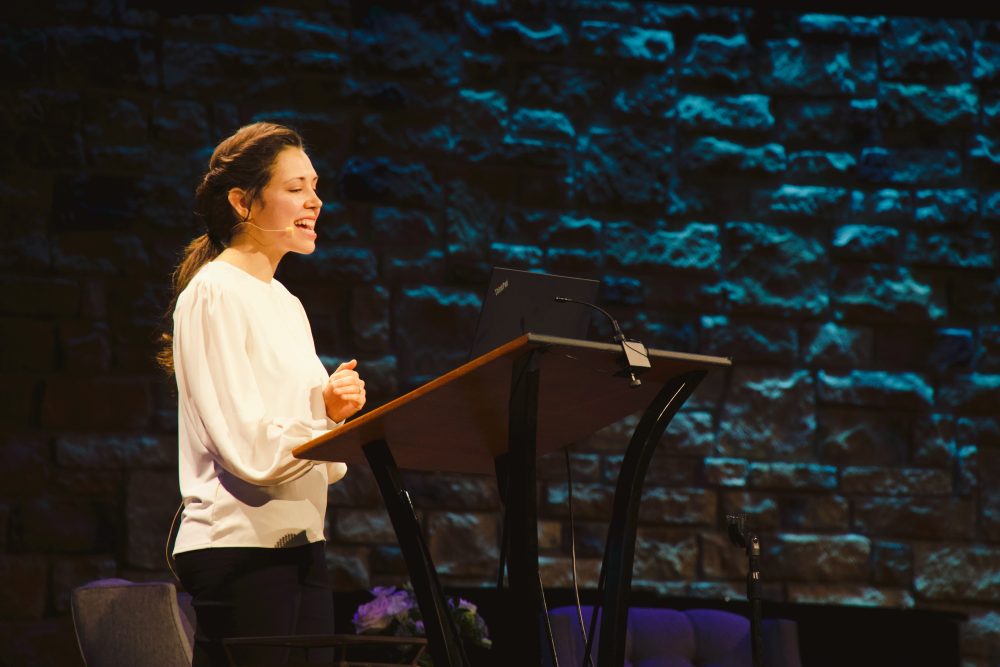
Emily Reeves is a biochemist, metabolic nutritionist, and aspiring systems biologist. Her doctoral studies were completed at Texas A&M University in Biochemistry and Biophysics. Emily is currently an active clinician for metabolic nutrition and nutritional genomics at Nutriplexity. She enjoys identifying and designing nutritional intervention for subtle inborn errors of metabolism. She is also working with fellows of Discovery Institute and the greater scientific community to promote integration of engineering and biology. She spends her weekends adventuring with her husband, brewing kombucha, and running near Puget Sound.

Archives

How to Study Biology with Systems Engineering Principles

Traditional methods in biology have proven insufficient for understanding and accurately predicting complex biological systems. Why? The great majority of biologists are trained to study life from the bottom up, as the result of unguided evolutionary processes. It turns out there are better ways to observe, question, hypothesize, experiment, and analyze a complex system. On this ID The Future, host Andrew McDiarmid welcomes biochemist and metabolic nutritionist Dr. Emily Reeves to the podcast to discuss her co-authored paper on how biologists can apply principles from systems engineering to biology to better approach the study of complex living systems. Dr. Reeves explains how the new methodology works and how it can produce fruitful scientific research.

Can Meaning and Purpose Emerge From a Darwinian Process?

Did meaning and purpose arise from a bottom-up Darwinian process to give us an evolutionary advantage? Or is the universe infused with meaning and purpose for a deeper reason than survival? On this ID The Future, host Andrew McDiarmid and Dr. Emily Reeves explore whether meaning and purpose can emerge from an unguided evolutionary process. They also discuss the machine metaphor in biology and how it can help us understand and explain living systems.

Emily Reeves on Intersection of Biology and Engineering

The biochemical revolution of the last century has revealed powerful evidence of design in living things. Now, scientists are beginning to realize the benefits of studying designed systems through an engineering lens. On today's episode, Dr. Emily Reeves discusses the intersection of biology and engineering with Fred Williams and Doug McBurney, hosts of the Real Science Radio podcast. In this 45-minute chat, Dr. Reeves explains the importance of using engineering principles to understand biological systems. This interview originally aired on Real Science Radio.

The Engineered Adaptability of the Humble Guppy

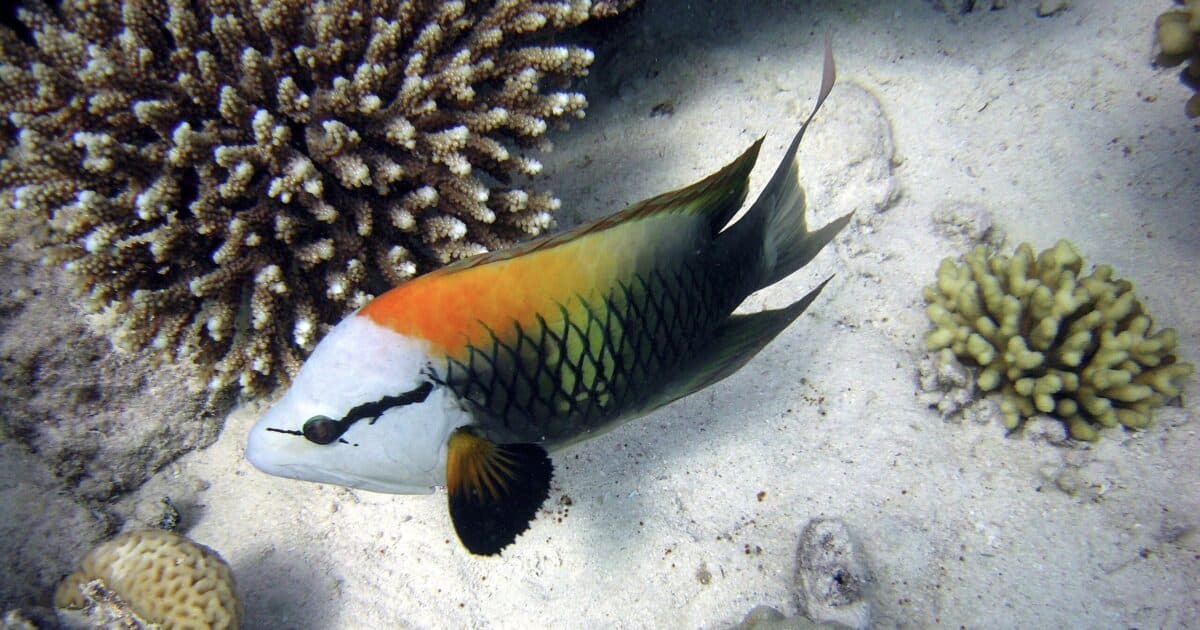
Do living things evolve right before our eyes? Perhaps the most common evidence put forward to support evolutionary theory is the observation that organisms can adapt. But is this adaptability really a hallmark of a gradual Darwinian process? Or is it evidence of intelligent design? On this ID The Future, host Eric Anderson speaks with Dr. Emily Reeves about the adaptability of the humble guppy fish, a new icon of evolution heralded by biologists as proof positive of Darwinian evolutionary processes at work. In this episode, Dr. Reeves uses guppies to discuss why the adaptability of organisms is actually powerful evidence of design. She also explains how biologists can improve their abilities as scientists by learning more about engineering.

Designed Evolution? The Evidence Isn’t There

Can intelligent design and evolution work together? It's an intriguing idea that is welcomed by some, but does the scientific evidence support it? On this ID The Future, host Casey Luskin speaks with Dr. Emily Reeves to discuss her contribution to a recent paper critiquing theologian Dr. Rope Kojonen's proposal that mainstream evolutionary biology and intelligent design have worked in harmony to produce the diversity of life we see on earth. This is part of a series of interviews on this topic. Dig deeper with more resources and episodes at idthefuture.com.