Center for Science and Culture

We are the institutional hub for scientists, educators, and inquiring minds who think that nature supplies compelling evidence of intelligent design. We support research, sponsor educational programs, defend free speech, and produce articles, books, and multimedia content. Read More …

News

More Articles …

A Link Between the Okapi and the Giraffe?

December 9, 2025
2

Science, Purpose, and Levin: A Discussion Evolves

December 9, 2025
5

Black-Market Human Organs and Murder

December 8, 2025
2

 “Generative Entrenchment” and Darwin’s Tree

December 8, 2025
3

Robert P. George on Human Exceptionalism

December 8, 2025
2

More from Science and Culture Today

Video

Why Humans Can’t Be Replicated by AI

George Montañez
November 25, 2025

Living in a 3-D World

The Center for Science and Culture
November 3, 2025

Engineered for Oxygen

The Center for Science and Culture
September 1, 2025

The Common Woodpecker: Chance or Design?

Raymond Bohlin
August 25, 2025

More Videos …

ID the Future

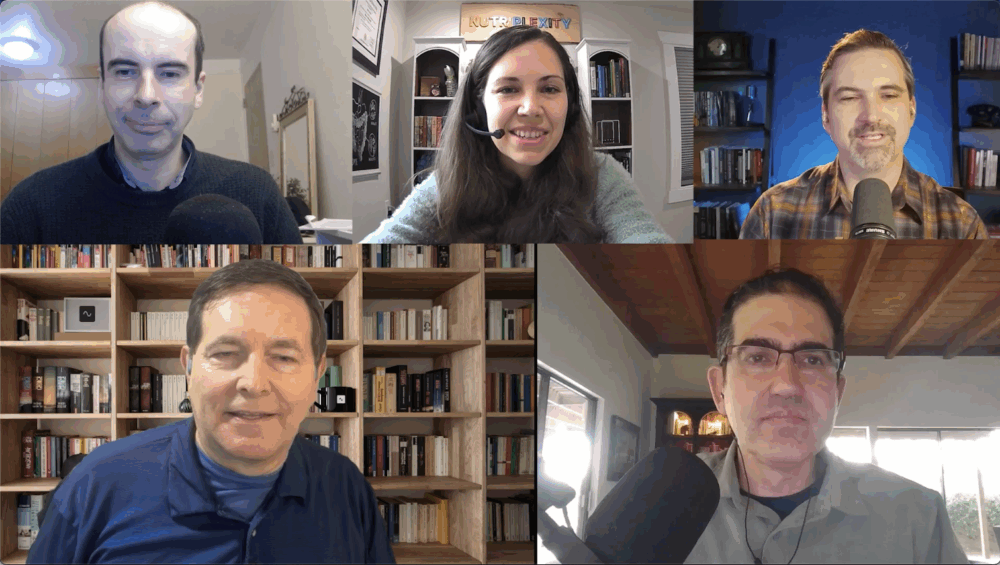
Scientist Roundtable: Examples of Intelligent Design in the Human Body
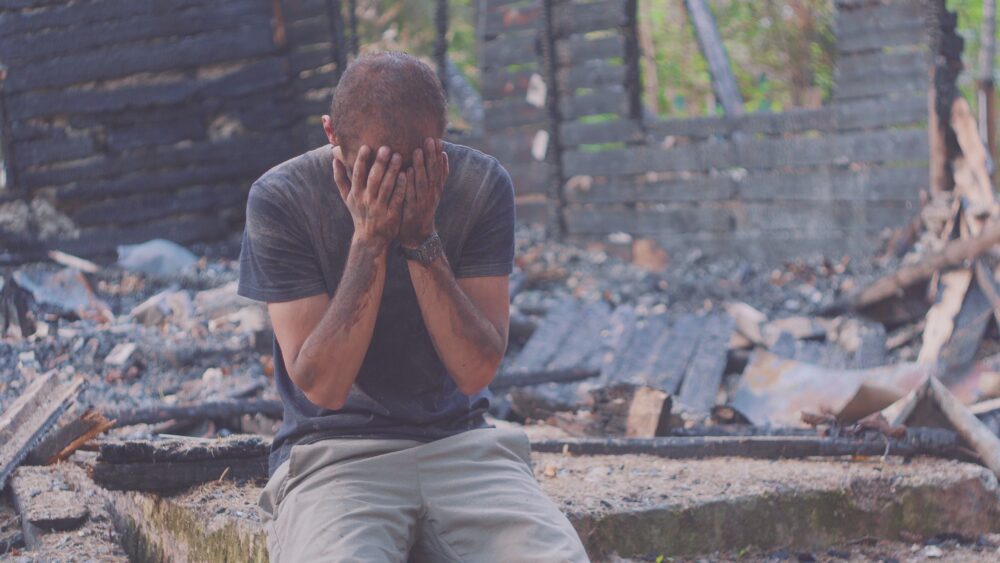
It’s easy to be blown away by the examples of engineering prowess in the human body. But it can be challenging to turn that evidence into a robust argument for intelligent design you can share with skeptical friends and colleagues. To help you learn to do that, host Andrew McDiarmid begins a roundtable discussion with not one, not two, not three, but four guests to the podcast, all part of our team of resident scientists at Discovery Institute’s Center for Science and Culture: geologist and lawyer Casey Luskin, biochemist and metabolic nutritionist Emily Reeves, biologist Jonathan McLatchie, and physicist Brian Miller. The first half of the discussion kicks off with a review of the basics of design detection, including various methods for empirically detecting the hallmarks of design in nature. After that, these four experts take turns diving into examples of extraordinary design in the human body. This is Part 1 of a two-part conversation.

Eric Hedin on Suffering in a Designed World

Is natural evil an argument against intelligent design? And is human evil more consistent with naturalism or theism? On this classic ID The Future episode, host Andrew McDiarmid speaks with Dr. Eric Hedin about his article “Thoughts of Evil in a Designed World.” First, Dr. Hedin discusses the problem of natural evils like earthquakes, hurricanes, droughts, and other natural disasters. He reports that in the last century, the human death toll from such tragedies has dropped as we have learned to mitigate the effects of these natural forces in our lives. Hedin also discusses the impact of sickness on our bodies. “Any complex system can break down,” Hedin reminds us, “because we do live in a world where the second law of thermodynamics applies not just to stars and mountainsides and physical systems but also to our own bodies.” But suffering, tragic as it can be for all of us to endure, is not inconsistent with design. Then there’s the other major cause of suffering in life: human evil. If humans are products of an evolutionary process, we’d expect human evil to more or less match what we see in the animal world. But as recent attacks on the people of Israel starkly demonstrate, that is not the case. We are capable of much worse, as well as much better. Dr. Hedin explains that humans have the gift of rational override, something determinists tend to forget. This is Part 1 of a two-part conversation.

Why Intelligent Design Best Explains the Laws of Nature

On today’s ID The Future, host Brian Miller concludes a two-part conversation with physicist Aaron Zimmer and mathematician Ellie Feder, hosts of the Physics to God podcast, as they critique current explanations for the laws of nature and argue for an intelligent cause of the rules that govern the universe. This half of the conversation tackles the attempts made by scientists to explain these life-friendly laws as the result of chance, not design. This is Part 2 of a two-part conversation.

Events

More Events …